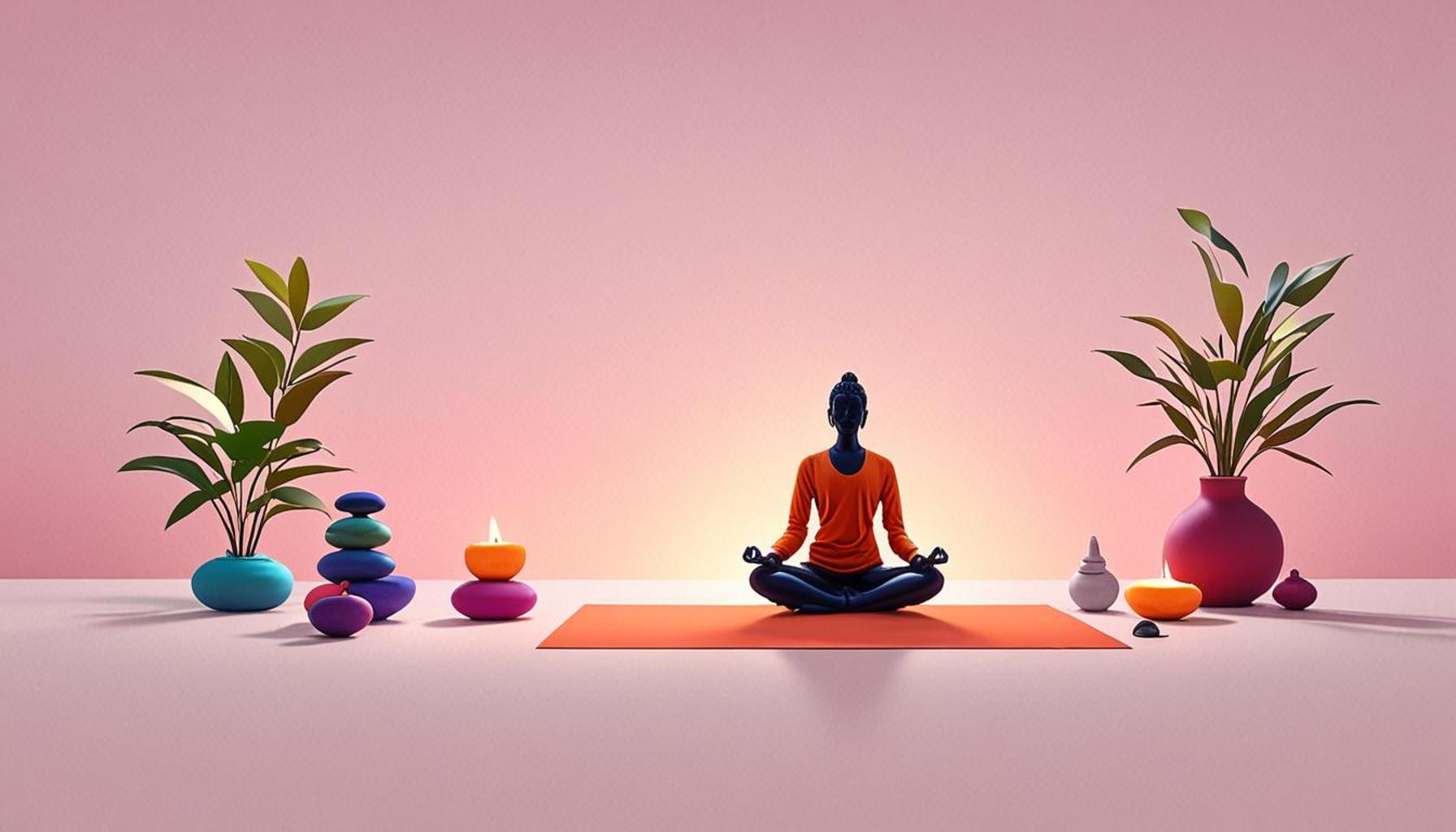
Adopting Minimalist Habits Simplify Your Daily Routine Efficiently

Streamlining Your Life Through Minimalism
In today’s fast-paced, consumption-driven world, the quest for simplicity has become more than just a trend—it’s a necessity for survival. The art of minimalism goes beyond a mere decluttering exercise; it’s a profound lifestyle choice that champions clarity, purpose, and freedom from material excess. By intentionally choosing to own fewer possessions, one can foster an environment that nurtures mental well-being and productivity.
The Benefits of Embracing Minimalism
Adopting a minimalist lifestyle can offer myriad benefits. By simplifying your surroundings and decision-making processes, you can significantly reduce stress levels and enhance mental clarity. For example, imagine waking up in a bedroom free of unnecessary clutter, where every item serves a purpose. Such a space naturally encourages a focused and peaceful state of mind, setting a positive tone for the rest of your day.
Moreover, minimalism is not just about reducing physical clutter but also about decluttering your mental space. This approach can help you concentrate on what truly matters, such as spending quality time with family and pursuing passions. By limiting distractions, minimalism enables you to direct your energy towards endeavors that bring joy and satisfaction.
Effective Strategies for Adopting Minimalist Habits
To guide you towards a more streamlined lifestyle, here are the Top 5 tactics for implementing minimalism:
- Prioritize Function Over Form: Focus on keeping items that serve a purpose or bring you joy. Assess whether items add true value to your life.
- Implement the One-In-One-Out Rule: For every new item brought into your home, consider removing one that is no longer needed. This practice maintains balance and prevents accumulation.
- Capsule Wardrobe: Curate a carefully selected wardrobe that consists of versatile and timeless pieces. This reduces decision fatigue and saves time.
- Digital Declutter: Regularly clear out unnecessary files, apps, and emails. A well-organized digital space can promote efficiency and peace of mind.
- Mindful Consumption: Before making a purchase, consider its necessity and impact. Minimalism encourages thoughtful consumption, reducing waste and promoting sustainability.
These strategies can transform your life by creating a more organized, less cluttered existence. Embracing minimalism isn’t about living a bare

Top 5 Ways to Adopt Efficient Habits to Simplify Your Daily Routine in Minimalist Style
In a world saturated with distractions and perpetual noise, embracing a minimalist lifestyle offers a respite, guiding individuals toward clarity and ease. Minimalism is more than an aesthetic choice; it is an opportunity to discard what is superfluous and concentrate on what genuinely matters. By simplifying your daily routine, you embark on a journey toward the serenity and organization that a minimalist life promises. Below, we delve into five pivotal habits, ranked from fifth to first, that can be integrated into your everyday life to pave the way for a smoother, more purposeful existence.
5. Declutter Regularly
Initiating a habit of regular decluttering can have transformative effects on both your physical surroundings and mental state. The process begins with a thorough reassessment of your belongings, systematically purging those that no longer serve a purpose or spark joy. The act of decluttering is deeply personal and can be exceptionally cathartic, as it reduces the mental burden associated with living amidst clutter.
Here are some steps to declutter effectively:
- Set a Schedule: Commit to a regular timetable for decluttering, such as dedicating one weekend a month to reorganizing your space.
- Start Small: Tackle manageable areas first, like a single drawer, before progressing to larger spaces.
- Be Ruthless: Objectively evaluate items—if you haven’t used it within the past year or it lacks personal significance, it’s time to say goodbye.
By developing a decluttering routine, you not only simplify your home environment but also streamline your daily activities, shedding the weight of material excess.
4. Establish a Morning Routine
A thoughtfully crafted morning routine lays the foundation for a productive, fulfilling day. Commencing each day with a set of intentional actions can drastically reduce decision fatigue. A minimalist morning routine encompasses a series of uncomplicated tasks that center your mind and body.
Consider incorporating these elements into your routine:
- Wake Up Early: Allow yourself the luxury of time to awaken both physically and mentally without the rush.
- Hydrate: Consuming a glass of water upon waking aids in rejuvenating your mind and body after the night’s fast.
- Meditation or Stretching: Spend a few minutes connecting with your inner self through meditation or light stretching exercises.
With a focused and deliberate morning routine, you foster mindfulness, equipping yourself with the clarity and resolve needed to navigate the day with optimism and intent.
3. Implement Time Blocking
Time blocking is a powerful strategy for managing your day with precision and intent, significantly reducing the likelihood of falling prey to distractions. This method involves dividing your day into dedicated blocks for specific tasks, allowing you to adopt a minimalist approach to time management.
To practice effective time blocking, consider these tips:
- Identify Priorities: Clearly determine your most crucial tasks and allocate prime time blocks for their completion.
- Limit Distractions: During each block, focus intently on the task at hand, resisting the urge to multitask.
- Build Breaks In: Incorporate brief intervals to rest and recharge before transitioning to the next block of tasks.
This habit fosters deep focus and minimizes the mental clutter associated with juggling multiple tasks simultaneously.
2. Optimize Your Environment
The environment in which you operate has a profound influence on your productivity and overall sense of well-being. While minimalism traditionally conjures images of sparse aesthetics, it fundamentally involves crafting a space that encourages calm and creativity. By optimizing your surroundings, you enhance your ability to focus and work efficiently.
To achieve an optimized environment, you might:
- Cleansing Your Space: Eliminate extraneous decor and retain only items that enhance your space’s tranquility and purpose.
- Organizing Efficiently: Utilize organizational tools such as storage bins and labeling to maintain order.
- Creating Zones: Designate distinct areas in your home for specific activities, conditioning your mind to transition seamlessly between tasks like work, relaxation, and creativity.
By designing an environment that exudes simplicity, you foster a more organized lifestyle, encouraging concentration and creativity.
1. Prioritize Mindfulness
Among the most critical habits for simplifying your daily life, mindfulness reigns supreme. Through cultivating awareness of your thoughts and actions, you can effectively mitigate mental clutter and diffuse emotional turmoil. Mindfulness enhances decision-making capabilities and enriches the overall life experience.
To integrate mindfulness into your daily routine, consider these practices:
- Daily Reflection: Dedicate moments each day to reviewing your experiences and how they made you feel.
- Practice Gratitude: Regularly recognizing and appreciating the positive aspects of your life cultivates a sense of contentment and fulfillment.
- Mindful Breathing: Engage in simple breathing exercises, focusing on each inhalation and exhalation to ground yourself in the present moment.
Through the incorporation of mindfulness into your daily routine, you unlock a heightened level of awareness and peace, equipping yourself to face life’s challenges with grace and composure.
Adopting these five habits allows you to embark on a journey toward a more minimalist and intentional lifestyle. Each habit is a step toward redefining how you exist in and interact with the world, encouraging a path of simplicity, clarity, and focused living.
| Category | Description |
|---|---|
| Time Management | Implementing minimalism in daily scheduling can streamline tasks and improve productivity. It’s all about prioritizing essential activities and eliminating distractions. |
| Mindfulness | Engaging in mindfulness practices can aid in reducing mental clutter. By focusing on the present moment, individuals can enhance both clarity and emotional balance. |
| Decluttering | Regularly assessing possessions and removing unnecessary items can create a calm environment. This simplifies decision-making in daily life. |
| Simple Meal Planning | Opting for straightforward meal plans not only saves time and energy but also promotes healthier eating habits. Fewer choices can lead to more consistent nutrition. |
Adopting efficient habits from a minimalist perspective invites individuals to reassess what truly matters in their lives. Whether it is focusing on time management or integrating mindfulness into one’s daily routine, the key is to simplify and prioritize. By improving how we spend our time, engaging in practices that emphasize the present, and eliminating physical and mental clutter, we pave the way for a more intentional and fulfilling existence.Time management benefits significantly from minimalism; by prioritizing tasks, one can make space for the most important aspects of life, such as family and personal growth. Mindfulness practices encourage us to connect deeper with our surroundings, enhancing our ability to experience joy in simplicity.Furthermore, decluttering our environments can lead to clearer thought processes. Each item we remove creates a sense of spaciousness, allowing us to focus on what we value most. This ethos extends into our daily meals as well, with simple, repetitive meal planning aiding not only in saving time but also in cultivating healthier eating patterns. By investigating these areas further, one can uncover even more advantages and techniques to simplify life through minimalist principles.
Frequently Asked Questions about Adopting Efficient Habits in a Minimalist Lifestyle
What are the main principles of a minimalist lifestyle?
The core idea of a minimalist lifestyle is to focus on freeing your life from excess and clutter to enjoy more meaningful experiences. It involves simplifying your daily routine by removing non-essential items and activities. The importance lies in quality over quantity, where individuals prioritize possessions and habits that truly add value to their lives. By embracing minimalism, people often find that they have more time, space, and mental clarity for what matters most.
How can I start incorporating minimalist habits into my daily routine?
Beginning to adopt minimalist habits can be as simple as making a conscious decision to declutter a specific area of your life each week. Many people start by assessing their wardrobe or workspace, keeping only the items that they regularly use and bring them joy. Another effective strategy is to practice mindful consumption by purchasing with intentionality and avoiding impulsive buying. Additionally, simplifying your daily schedule by prioritizing tasks and setting aside specific times for breaks and reflection can greatly enhance your journey towards minimalism.
Is it necessary to own fewer things to be a minimalist?
While owning fewer things is often associated with minimalism, the philosophy is less about the number of possessions and more about the significance and utility of what you keep. Many find that reducing physical clutter helps reduce mental clutter, but minimalism is a personal journey where each individual defines what minimalist living means to them. The ultimate goal is to create a lifestyle that supports your values and personal well-being rather than conforming to a strict standard of material possession count.
Can adopting minimalist habits lead to financial savings?
Yes, one of the compelling benefits of adopting a minimalist approach is often an increase in financial savings. By focusing on quality over quantity, individuals tend to make more conscientious purchasing decisions, thereby reducing unnecessary spending. In addition, cutting down on material possessions reduces maintenance costs and potentially leads to downsizing, furthering savings. Embracing minimalism encourages living with financial intention, leading to a more sustainable and economically freeing lifestyle.
How do minimalist habits impact mental health?
Adopting minimalist habits can have a positive impact on mental health by reducing stress and anxiety. Clutter and chaos in physical spaces are often mirrored by mental clutter, so simplifying your surroundings can lead to a sense of calm and clarity. Moreover, by prioritizing tasks and commitments that truly fulfill and energize you, it’s possible to experience an increase in overall well-being and satisfaction. Minimalism invites individuals to focus on the present moment, encouraging mindfulness and fostering a deeper appreciation for the simple joys of life.
Conclusion
In exploring the adoption of efficient habits to simplify your daily routine through minimalism, this article has shed light on the transformative power of embracing a simplified lifestyle. By integrating a minimalistic approach, we not only prioritize what is truly essential but also foster a more mindful existence. The transition to such a way of life involves deliberate steps that can lead to profound changes in one’s personal organization and overall well-being.
The key strategies discussed include the importance of decluttering, the benefits of practicing mindfulness, the necessity to limit distractions, and the adoption of sustainable practices. These elements collectively aid in reducing mental and physical clutter, thereby promoting a more organized and focused daily routine. By removing excess and noise from our lives, we create space for what genuinely matters, leading to increased productivity and emotional balance.
Adopting a minimalist lifestyle is more than just a trend; it’s a conscious choice to live with intention and purpose. It challenges us to evaluate our relationships with material possessions and encourages us to find contentment in simplicity. By being mindful of our daily habits, we can streamline our routines, increase efficiency, and reduce stress.
Ultimately, the shift towards minimalism in daily routines is not about deprivation but about making informed decisions that align with one’s values and goals. The more we minimize needless complications, the more room we have for experiences and relationships that genuinely enrich our lives. This article invites readers to explore further and consider the profound impact that a minimalist approach can have on personal growth and organizational skills.