
Practical Methods for Organizing Spaces: Transforming Disorder into Minimalist Harmony
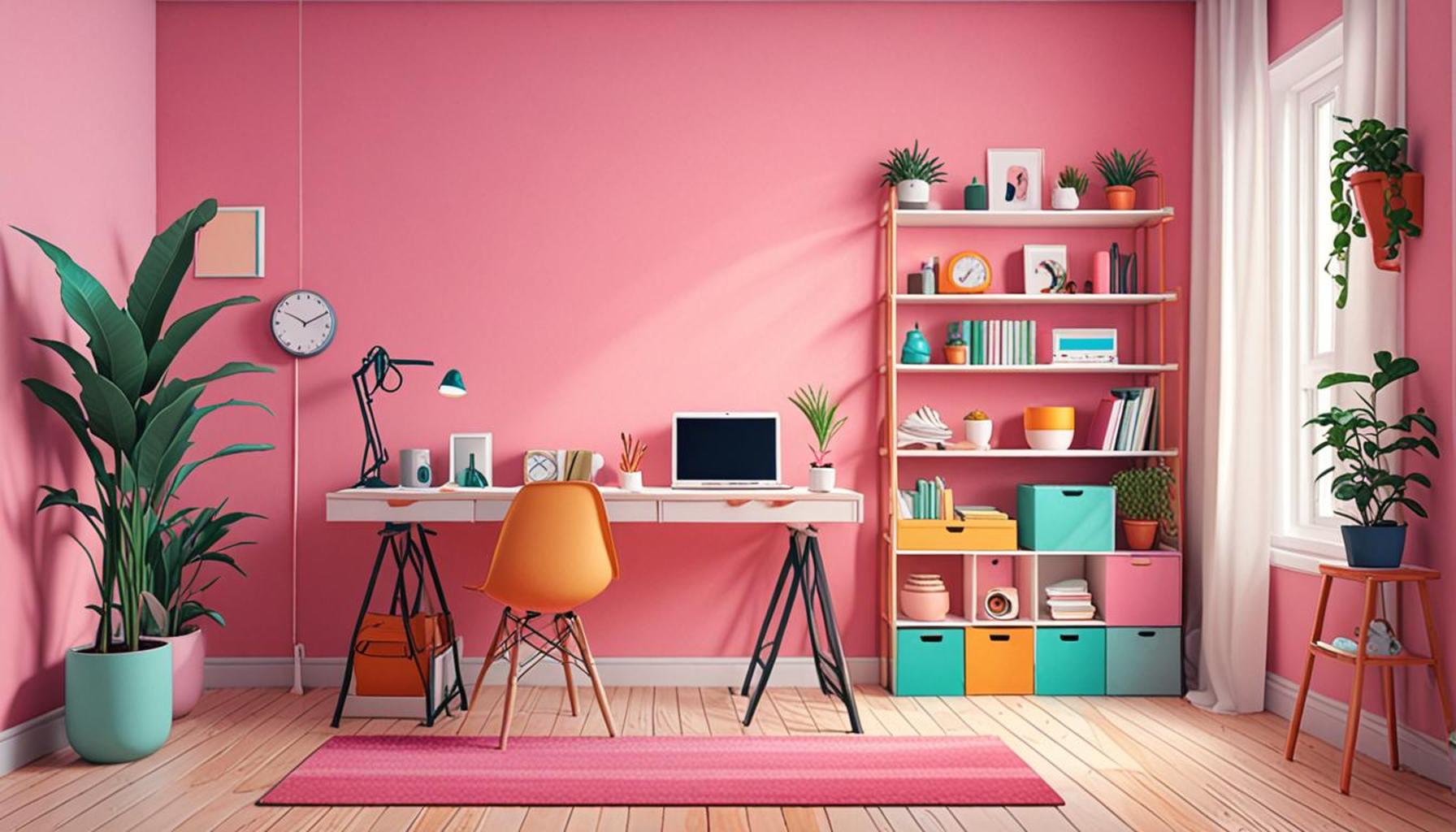
Unlocking the Power of Minimalism
Disorder in our living and working environments often leads to feelings of stress and overwhelm. In our fast-paced modern society, navigating through clutter can feel like a daunting task. Embracing a minimalist approach can significantly enhance not only the aesthetics of our spaces but also provide a boost to our mental clarity and emotional well-being. The journey from chaos to calm requires thoughtful strategies, but the positive transformations are well worth the effort.
Key Benefits of Organized Spaces
Transforming your space through minimalism offers numerous advantages that resonate well beyond the immediate appeal of a tidy environment. Here are some principal benefits:
- Increased Productivity: Studies suggest that a tidy work environment fosters focus and efficiency. For instance, a clean desk can enhance concentration levels by reducing distractions. Professionals in creative fields often find that a minimalist workspace allows for deeper immersion in their projects.
- Enhanced Creativity: Minimalist designs have been shown to stimulate innovative thinking. With fewer visual distractions, your mind can wander freely and generate unique ideas. Many companies, including Google, incorporate open and minimalistic office designs to encourage collaboration and creativity among employees.
- Improved Well-being: A clean space promotes peace of mind. According to research from the University of California, clutter can lead to increased levels of cortisol, a stress hormone. By creating a serene environment, you can cultivate a calm mental state, allowing for better decision-making and overall happiness.
Embracing minimalism requires a commitment to simplifying your surroundings, but the results can be transformative. Here are some practical methods tailored to your unique environment to guide you on this journey:
- Decluttering: Regular assessments of your belongings can help you keep only what you love or need. The “KonMari” method, popularized by Marie Kondo, encourages individuals to ask themselves if each item sparks joy, allowing for a more intentional relationship with possessions.
- Smart Storage Solutions: Utilize multifunctional furniture, such as ottomans that double as storage or wall-mounted shelves, to make the most of your space. Underused areas, like closets and garage corners, can be transformed into organized sanctuaries by incorporating clear bins and labels for easy access.
- Routine Maintenance: Establishing daily tidying habits can prevent chaos from returning. For example, setting aside just 10 minutes each day for light cleaning can help maintain your organized space, making the process feel less overwhelming over time.
By adopting these techniques, you can create a harmonious atmosphere that resonates with tranquility and focus. As you progress on your minimalist journey, you may find that the benefits extend beyond your physical space, influencing other aspects of your daily life. This article will guide you through simple yet effective strategies for organizing your spaces and achieving the serene lifestyle you deserve. Embarking on this journey could lead you to newfound clarity, creativity, and overall satisfaction in life.
DISCOVER MORE: Click here to transform your space and mind

Implementing Practical Strategies for a Minimalist Space
To embark on the journey of transforming disorder into minimalist harmony, it’s essential to adopt practical methods that resonate with your lifestyle and preferences. The path to decluttering can often seem overwhelming, but breaking it down into manageable steps can facilitate a more organized and inviting atmosphere. Here are effective strategies that you can implement in your home or workspace:
1. Create a Plan for Decluttering
Before jumping into the decluttering process, taking a step back to create a plan can significantly ease your transition to a minimalist environment. Identify specific areas within your space that require attention, such as closets, kitchens, or offices. Setting clear goals, like committing to decluttering one room each week, can prevent burnout and help maintain motivation.
2. The Four-Box Method
The Four-Box Method is a time-tested technique that involves sorting your items into four categories: Keep, Donate, Sell, and Trash. This method promotes a systematic approach to decluttering. By giving yourself the opportunity to evaluate your belongings critically, you can make informed decisions about what to retain and what to let go of. Here’s a closer breakdown:
- Keep: Items that are essential or hold significant emotional value.
- Donate: Gently used items that others may benefit from, such as clothing and home goods.
- Sell: Possessions with resale value that can be listed on platforms like Craigslist or eBay.
- Trash: Broken or damaged items that cannot be repaired or reused.
This method not only helps you declutter effectively but also encourages a sense of purpose in your organizing efforts.
3. Declutter Digitally
In today’s digital age, the clutter extends beyond physical spaces and into our digital lives. Taking the time to declutter your digital environment can significantly impact your overall sense of organization. Consider these steps to streamline your digital world:
- Unsubscribe: Remove yourself from email lists that no longer serve you.
- Organize Files: Create folders for different categories (personal, work, projects) and regularly archive or delete unnecessary files.
- Digital Detox: Set limits on the apps and social media platforms you use; consider deleting those that contribute to a sense of overwhelm.
By applying these digital decluttering techniques, not only will you reduce clutter on your devices, but you will also improve your ability to focus and stay productive.
These practical methods provide a solid foundation to begin organizing your spaces. As you navigate through this process, keep in mind that achieving a minimalist environment is an ongoing journey rather than a one-time event. The benefits of taking these steps will not only lead to a more harmonious living space but will also foster a greater sense of inner peace and clarity as you navigate your daily life.
| Method | Description |
|---|---|
| Decluttering | Removing unnecessary items to create a clean slate, ensuring only essential belongings are kept. |
| Zone Creation | Designating specific areas for different activities, such as work, relaxation, and storage, to promote an organized environment. |
| Smart Storage Solutions | Utilizing multifunctional furniture like ottomans with storage or wall-mounted shelves to maximize space. |
| Daily Maintenance | Incorporating quick daily tidying habits to uphold order and minimize buildup of clutter. |
Implementing these methods can have significant impacts on your living space. For instance, embracing decluttering not only frees up physical space but also promotes mental clarity. In addition, creating zones can help manage time better, allowing for seamless transitions between tasks and activities. Smart storage solutions transform how one interacts with space, turning often-overlooked corners into areas of utility and calm. Lastly, routine maintenance fosters a culture of mindfulness towards one’s environment, leading to long-lasting minimalism.By understanding and applying these practical methods, individuals can turn their disorganized spaces into a haven of minimalist harmony, promoting overall well-being and productivity. Each step invites exploration into new transformative practices, encouraging a journey towards a serene and balanced life.
DISCOVER MORE: Click here to learn about mindful minimalism
Maximizing Functionality with Minimalist Design
As you continue to refine your approach to organizing spaces, consider how to maximize functionality through minimalist design principles. An effective minimalist space not only looks tidy but also serves its purpose effortlessly. Here are some strategies to consider for turning your organization efforts into a practical, harmonious layout:
1. Embrace Multi-Functional Furniture
In the realm of minimalist living, multi-functional furniture is a game changer. By choosing pieces that serve more than one purpose, you can significantly reduce clutter while enhancing the usability of your space. For instance, a sofa bed can provide seating during the day and sleeping quarters at night, making it ideal for small apartments. Storage ottomans can serve as seating and provide hidden space for toys or blankets. When selecting furniture, look for designs that blend functionality with simplicity, sticking to neutral colors and clean lines to maintain a cohesive and spacious aesthetic.
2. Zone Your Space
Creating designated zones within your space can help promote organization and minimize disorder. By clearly defining areas for specific activities, you can streamline both daily routines and the processes behind keeping those areas tidy. Here’s how you can establish zones:
- Workspace: Designate a corner or a separate room for work and productivity. Keep only essential items like a laptop, notebooks, and basic stationery in this area.
- Relaxation Area: Create a calm, clutter-free zone for relaxation. This may include a comfortable chair, a small bookshelf for leisure reading, and soft lighting.
- Activity Zones: For families, setting up specific areas for toys or crafting can help keep living spaces organized while making cleanup easier.
By establishing these zones, you create a sense of structure that enhances functionality while keeping your environment harmonious.
3. Adopting the One In, One Out Rule
To maintain your minimalist space, consider implementing the One In, One Out Rule. This straightforward principle asserts that for every new item you bring into your home, you should remove one existing item. This helps you keep your collections in check and prevents clutter from accumulating over time. It’s particularly effective for clothing, books, and kitchen gadgets which can often stockpile unwittingly. By adopting this rule, you cultivate a mindset geared toward intentional purchasing and contentment with what you own.
4. Incorporate Smart Storage Solutions
Effective storage solutions are critical in maintaining a minimalist environment. Take advantage of vertical space by using wall-mounted shelves or cabinet organizers to keep surfaces clear. Over-the-door organizers are excellent for maximizing space in small bathrooms or bedrooms. Use clear containers or labeled bins for easy identification of items, promoting accessibility while ensuring an orderly presentation. The more organized your storage solutions, the less likely clutter will seep back into your living environment.
When you integrate these practices, you not only simplify your organization efforts but also cultivate an atmosphere that complements a minimalist lifestyle. The result is a tranquil, harmonious space that facilitates clarity of mind—allowing you to focus on what truly matters in your day-to-day life. Engaging with your space thoughtfully encourages you to think critically about your possessions and their roles in your surroundings.
DISCOVER MORE: Click here for effective family decluttering strategies
Conclusion
Transforming disorder into minimalist harmony is more than just a trend; it’s a lifestyle choice that promotes clarity, tranquility, and intentional living. By implementing practical methods for organizing spaces, such as embracing multi-functional furniture, zoning specific areas, adhering to the One In, One Out Rule, and incorporating smart storage solutions, individuals can cultivate environments that enhance both functionality and aesthetic appeal.
In this quest for minimalism, it’s essential to recognize that each person’s journey will be unique. The process of decluttering and organizing can be seen as an opportunity for personal reflection and growth. As you assess your possessions and their significance in your daily life, you begin to build a deeper connection with your spaces. This attention not only fosters a sense of peace but can also lead to improved productivity and overall well-being.
Moreover, as the minimalist movement gains traction in contemporary American culture, it invites us to rethink consumerism and embrace the idea that less truly can be more. By prioritizing quality over quantity and purpose over excess, you create a harmonious environment that encourages mindfulness and intentionality. As organizations of all types increasingly adopt minimalist principles into their design and operational strategies, it becomes clear that the benefits extend far beyond aesthetic appeal—a well-organized, minimalist space is a gateway to improved mental clarity and enhanced living experiences. Start your journey today and discover the profound impact a harmonious, organized space can have on your life.