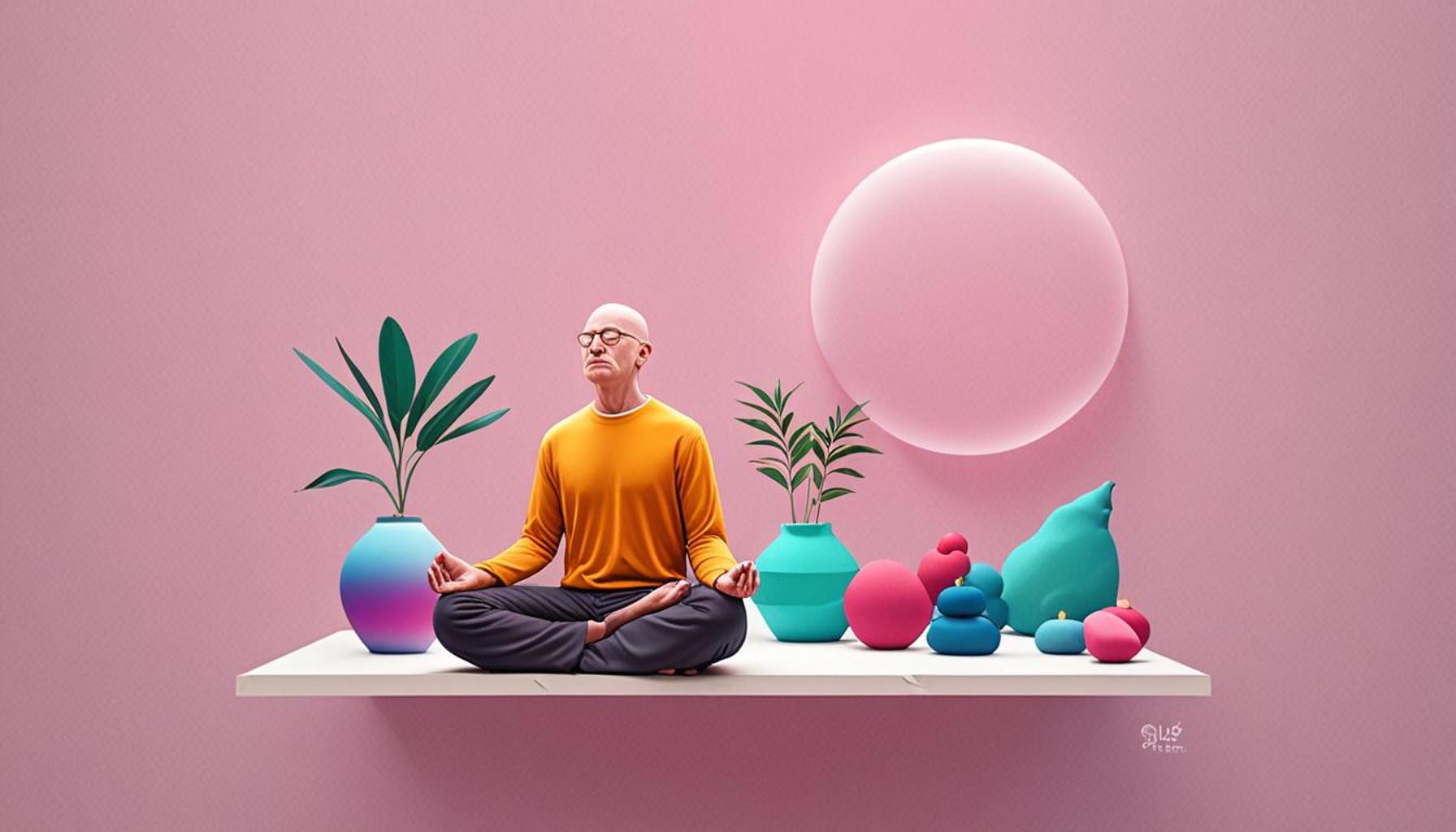
The practice of mindfulness in minimalist organization: how living with less can increase personal satisfaction
The Path to Mindful Minimalism
In an era characterized by relentless consumerism and a constant barrage of information, many individuals are yearning for a retreat into simplicity. Minimalism offers an avenue for this escape, presenting an opportunity to examine what truly adds value to our lives. As this lifestyle gains traction, its integration with mindfulness principles becomes increasingly important, propelling individuals towards enhanced peace of mind and a renewed sense of purpose.
At the core of minimalist living is the intentional act of reducing clutter, whether it pertains to material possessions, digital distractions, or even mental noise. The benefits of such a transformation can be both immediate and profound. Consider the following advantages:
- Enhanced Focus: Clutter can create a chaotic environment that undermines productivity. Research has shown that reducing distractions—like neatly organizing a workspace—can foster heightened concentration, enabling individuals to immerse themselves in tasks with greater effectiveness.
- Increased Clarity: A streamlined environment not only diminishes confusion but also aids in clearer decision-making. For example, having a tidy home office can help one prioritize critical projects and facilitate smoother workflows, thus making it easier to navigate work responsibilities.
- Emotional Relief: The weight of excess possessions or obligations can cultivate stress and anxiety. By practicing the art of letting go—be it through donating clothes that no longer fit or unsubscribing from unnecessary email lists—individuals often find emotional liberation and a lighter mental state.
The intersection between minimalism and mindfulness is not merely about decluttering but also about curating a lifestyle steeped in intention and awareness. This approach encourages individuals to pause and evaluate their priorities, leading to richer connections with both themselves and their communities. It is a philosophy that resonates particularly in the United States, where the pace of life can often feel overwhelming.
Exploring this dual practice is timely and relevant for those seeking balance amidst busyness. By embracing fewer choices and distractions, individuals can dive deeper into what truly matters, whether that be nurturing relationships, pursuing passions, or simply enjoying the tranquility that comes from surrounding oneself with less. This journey toward a more serene existence involves continual reflection and a willingness to adapt, ultimately fostering a more profound sense of personal satisfaction and fulfillment.
As the minimalist movement flourishes, consider how integrating mindfulness may reshape your personal landscape. Whether it’s through organizing your home, decluttering your digital life, or practicing meditative habits, the promise of a simpler yet richer life is within reach. Join in on this transformative experience and discover the potential that lies within both minimalism and mindfulness.
DISCOVER MORE: Click here to dive deeper into minimalism
Finding Balance Through Intentional Living
Transitioning to a minimalist lifestyle is more than just a trend; it is a deliberate journey towards greater personal satisfaction and a clearer mind. At its essence, minimalism challenges individuals to assess the significance of every item they own, inviting them to consider how each possession affects their overall well-being. Through this process, the practice of mindfulness seamlessly intertwines with a minimalist approach, prompting deeper connections with one’s self and surroundings.
Practicing mindfulness within the context of minimalist organization cultivates a heightened awareness of the current moment and helps individuals to prioritize what enriches their lives. Here are some key aspects highlighting the advantages of integrating mindfulness with minimalism:
- Intentionality in Choices: Minimalism encourages individuals to make thoughtful choices about what to keep and what to discard. This practice of evaluation fosters mindfulness by allowing individuals to reflect on their values and priorities. It becomes more than just removing clutter; it’s about ensuring that what remains aligns with personal mission and happiness.
- Embracing the Present: When surrounded by fewer distractions, individuals can fully engage with their present experiences. Mindfulness teaches us to appreciate the here and now, which can significantly enhance enjoyment—whether it’s savoring a simple cup of coffee in a decluttered kitchen or feeling the warmth of the sun while walking through a minimally adorned garden.
- Reduced Anxiety and Overwhelm: A cluttered environment can often lead to feelings of anxiety and overwhelm. By simplifying one’s surroundings, individuals create a calming atmosphere that supports mental clarity. This psychological relief allows for more room to focus on personal goals and relationships, further enhancing overall satisfaction.
The intricate dance between mindfulness and minimalism reveals that living with less is not about deprivation—rather, it’s a pathway towards liberation. Living in a space that is thoughtfully simplified invites individuals to uncover deeper layers of joy and contentment. Each decluttering effort becomes a form of self-care, as it promotes emotional and psychological well-being.
This journey of mindful minimalism often sparks curiosity around the intangible aspects of life that bring joy. Individuals may find themselves exploring new hobbies, establishing deeper connections with loved ones, or dedicating time to self-reflection. The experiences gained through this intentional living often prove to be more fulfilling than any material possession. As the minimalist lifestyle continues to resonate with many seeking balance in their lives, the intertwined practice of mindfulness reinforces the belief that living with less can indeed lead to a richer, more satisfying existence.
| Advantage | Description |
|---|---|
| Increased Focus | By reducing physical clutter, individuals can enhance their mindfulness practice and direct attention towards tasks with clarity. |
| Enhanced Emotional Well-being | Living with less contributes to a sense of freedom and peace, aiding in stress reduction and boosting overall happiness. |
The relationship between minimalism and mindfulness is profound. When individuals embrace minimalist organization, they not only declutter their spaces but also create a serene environment that fosters mental clarity. Engaging in mindfulness while organizing leads to a keener awareness of one’s belongings and their significance. This introspection nurtures deeper connections with what truly matters, promoting a lifestyle focused on necessity rather than excess.Living with less naturally forces one to confront consumer habits, leading to sustainable choices that resonate with personal values. Research shows that as physical items diminish, the mental burdens associated with them follow suit, creating a harmonious balance that enhances emotional stability. The act of organizing mindfully becomes a meditative practice, further reinforcing the cycle of satisfaction derived from simplicity.This empowering journey not only aids in personal growth but also paves the way towards a sustainable lifestyle, where less truly becomes more. By integrating these principles into daily routines, individuals are likely to experience a transformative shift in their perspective on happiness and fulfillment. Embracing minimalism is not just a passing trend but a profound shift towards living intentionally.
DISCOVER MORE: Click here for inventive storage ideas
Harvesting Joy from Simplicity
Minimalism, often misinterpreted as austerity, plays a pivotal role in nurturing a mindset aligned with mindfulness. It isn’t merely about the absence of belongings, but rather a conscious choice to embrace simplicity. The experience of owning less can lead to significant emotional and psychological benefits that ripple throughout daily life.
One of the profound aspects of mindful minimalism is its ability to foster creativity and inspiration. By decluttering physical spaces, individuals open up mental space often occupied by lingering thoughts about unmade decisions or overlooked projects. An organized environment allows for a clearer mind to explore new ideas freely. For instance, artists, writers, and creators find that a minimalistic workspace enhances their focus, pulling them into a productive flow state. Numerous studies indicate that when individuals combat the “visual noise” of clutter, their cognitive functions improve. As a result, they report heightened creativity and a renewed passion for activities that matter to them.
Additionally, the mindfulness practiced in minimalist organization can directly enhance one’s mental resilience. By embracing simplicity, individuals learn to face discomfort and uncertainty. Engaging in the act of decluttering provides opportunities to confront feelings of attachment, loss, or nostalgia while fostering a greater sense of acceptance. This transformative experience cultivates emotional empowerment, as one builds better habits around decision-making and priorities. Psychological research highlights that those who actively practice mindfulness tend to exhibit lower levels of stress and anxiety, thus promoting overall mental health.
- Building Connections: Mindful minimalism propels individuals to reevaluate their relationships and prioritize quality interactions. By letting go of material distractions, they create more meaningful connections with family and friends. Social gatherings shift from consumption-based activities to more profound experiences shared over dinner, outdoor hikes, or simply enjoying a heartfelt conversation.
- Encouraging Sustainability: The practice of minimalism can deepen environmental consciousness. By choosing to own fewer items, particularly those produced sustainably, individuals become more mindful of their ecological footprint. This shift directly supports mental well-being, as aligning values around sustainability fosters a sense of purpose and connection to something larger—be it the community or the planet.
- Promoting Healthier Lifestyle Choices: A simpler life naturally leads individuals to make healthier choices. For instance, fewer possessions result in less time spent cleaning and maintaining physical items, freeing up time for exercise, cooking nutritious meals, or practicing yoga. This holistic approach to life often aligns with a commitment to physical well-being, which in turn enhances overall happiness and satisfaction.
As individuals continue their journey toward a minimalist lifestyle, they discover that less really can mean more. Embracing mindful practices in organization uncovers powerful lessons about consumption, appreciation, and the experiences that offer true fulfillment. Living with less prompts the exploration of simplicity in all areas of life, tapping into a deeper reservoir of happiness that might have previously been obscured by the busyness of life.
DIVE DEEPER: Click here to discover more
Embracing Mindful Minimalism for a Fulfilling Life
In conclusion, the practice of mindfulness in minimalist organization offers a transformative pathway to enhancing personal satisfaction. By intentionally selecting the belongings we surround ourselves with and adopting a mindful approach to consumption, individuals can cultivate a lifestyle that promotes emotional well-being, creativity, and authentic relationships. The notion that living with less leads to living better is not just theoretical—it is a practical realization that countless individuals have experienced as they embark on their minimalist journeys.
Rejecting the societal pressures of excessive accumulation allows one’s focus to shift from materialism to a more meaningful existence. As the clutter diminishes, so does the chaos of daily life, creating space for reflection and deeper connections with loved ones. By prioritizing enriching experiences over possessions, the opportunities for joy expand, paving the way for profound personal growth and fulfillment.
Moreover, engaging in mindful practices fosters a unique resilience against the distractions and stressors of modern living. As we simplify our environments, we naturally align our actions with our values, which can significantly enhance our mental and emotional health. This conscious effort to embrace mindfulness can ripple outward, inspiring others in our circles to reflect on their own lifestyles and priorities.
In embracing the art of mindful minimalism, we are not just changing our homes; we are elevating our lives. We invite you to explore the balance of simplicity and mindfulness in your own journey. As you begin to let go, you may discover not only what you can live without, but also the immense joy and satisfaction that arises from living with intention.