Artistic Minimalism: Utilizing Art and Decor Sparingly for Enhanced Space Optimization
The Essence of Artistic Minimalism
In an age where excess often reigns, artistic minimalism emerges as a breath of fresh air. This movement encourages the thoughtful selection of art and decor, aiming to enhance space optimization while cultivating serenity and clarity within our environments. It serves as a reminder that less can indeed be more, offering a stark contrast to the cluttered and chaotic surroundings many experience in their daily lives.
Adopting a minimalistic approach doesn’t mean sacrificing creativity. Instead, it focuses on:
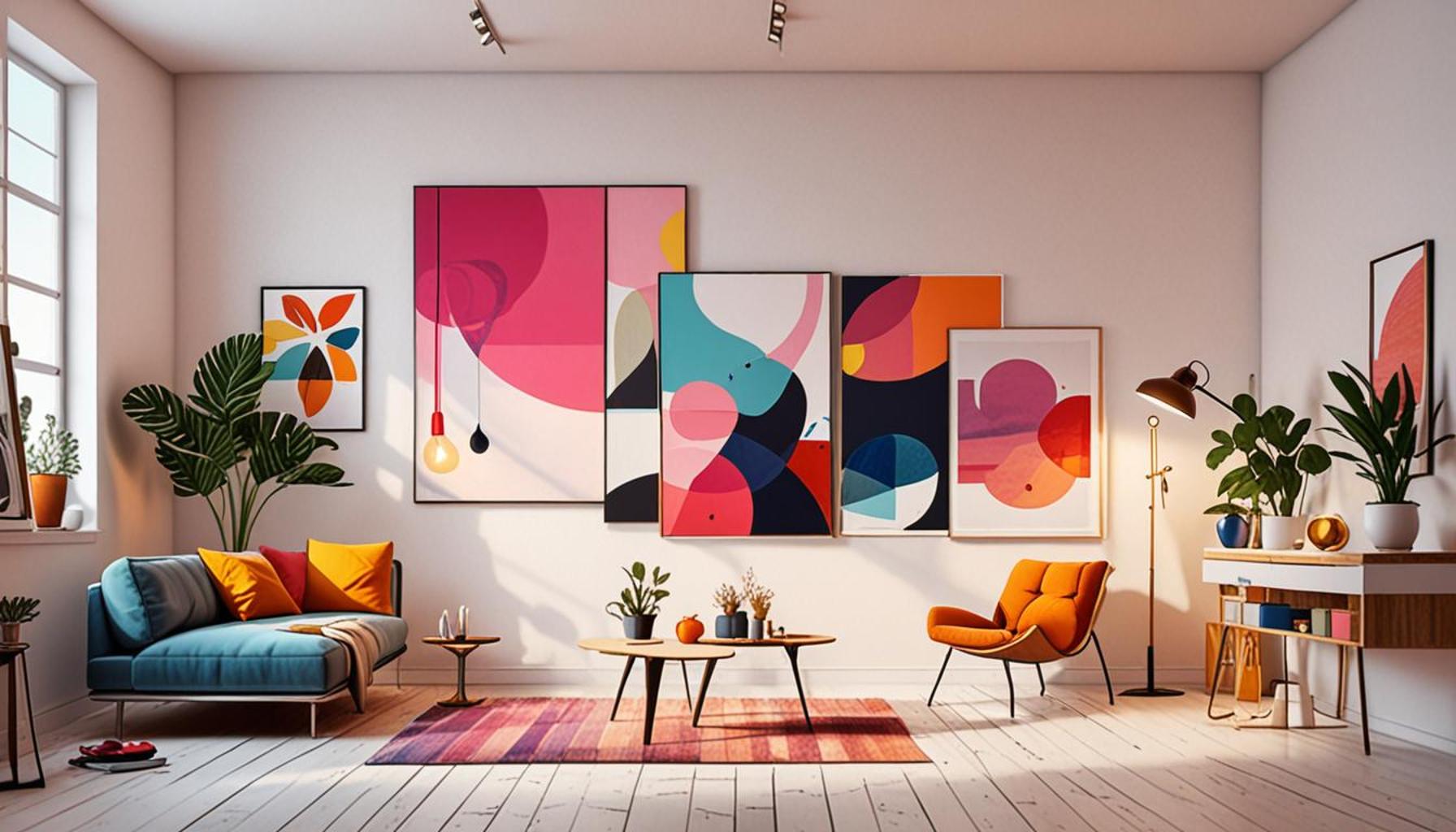
- Quality over quantity: Choosing standout pieces that evoke emotion. For instance, a single striking painting can become the focal point of a room, drawing the eye and sparking conversation, rather than having multiple competing artworks that may dilute their significance.
- Functionality: Art that serves a dual purpose, such as decorative shelving that provides storage while displaying beautiful objects. This not only declutters a space but also contributes to its visual narrative.
- Balance: Harmonizing negative space with essential decor to create a cohesive look. An example is dividing a large wall with a spacious canvas on one side and leaving the opposite side bare, allowing the viewer’s eye to rest.
Embracing this philosophy can transform cluttered areas into tranquil retreats. Here are a few benefits of incorporating artistic minimalism into your home or workspace:
- Enhanced focus: Less visual distraction allows for greater concentration, making minimalism a popular choice in modern offices where productivity is paramount. For instance, companies like Google have implemented minimalist designs in their workspaces to boost employee output.
- Increased functionality: Spaces become more usable when they are not overcrowded. Think about a small apartment where multifunctional furniture allows for a smooth flow and ease of movement, making every corner count.
- Improved aesthetics: A carefully curated collection speaks volumes without overwhelming the senses. Consider the simplicity of Scandinavian design, which emphasizes clean lines and neutral colors, creating an inviting ambiance.
As you delve into the world of artistic minimalism, consider how deliberate choices in art and decor can help optimize your space. It’s more than just a trend; it’s a lifestyle that encourages mindfulness and intentionality in our surroundings. By prioritizing what brings joy and functionality into your life, you can create an environment that not only looks beautiful but feels serene as well.
Join us on this journey to uncover tips and inspiration for achieving a beautifully sparse environment. Whether you are redecorating your home or redesigning your office, embracing minimalist artistry can lead to a more fulfilling and aesthetic living experience.
DISCOVER MORE: Click here for practical tips on minimalism
Embracing Thoughtful Art Choices
To truly harness the power of artistic minimalism, one must engage in a process of meaningful reflection and deliberate selection. The art and decor you choose should resonate with personal significance and contribute positively to your living environment. This transforms each piece from mere decoration into a valuable part of the larger narrative of your space.
When curating a minimalist collection, consider these essential aspects:
- Personal Connection: Select artworks that evoke strong emotions or memories. Whether it’s a photograph from a cherished vacation or a painting that inspires creativity, these pieces can turn your house into a home, even amidst simplicity.
- Color Palette: Stick to a cohesive color scheme to create visual harmony. Neutral tones or muted colors can often enhance the calming effect of minimalist design while allowing a singular vibrant piece to shine without overwhelming the senses.
- Scale and Proportions: Understand the scale of your art in relation to the size of your space. A large canvas can serve as a stunning focal point in a spacious room, while smaller, scattered artworks may suit more intimate areas. Maintaining proportionality prevents any one piece from dominating or being lost.
These curated choices promote a balance between occupied and unoccupied space, allowing for an aesthetic flow that is both appealing and functional. In contrast to a crowded gallery wall where the viewer’s eyes struggle to find focus, a well-placed piece can command attention and enhance the room’s overall impact.
Art as Functional Decor
Another exciting aspect of artistic minimalism is its embrace of functionality. By integrating art that serves a practical purpose, you can maximize your space while maintaining an appealing visual atmosphere. Here are some creative ideas:
- Multi-Purpose Furniture: Consider furniture pieces that double as art, such as sculptural coffee tables or stylish bookcases that display both books and decorative objects. This not only saves space but also allows for creativity to flourish in everyday items.
- Wall Storage Solutions: Incorporate shelves that not only hold decorative items but also provide essential storage. A floating shelf can showcase a collection of potted plants while keeping essential tools out of sight, merging aesthetics with utility.
- Artful Lighting: Lighting fixtures can also be artistic. Unique lampshades or sculptural light fixtures can serve as non-intrusive decor while contributing significantly to the room’s ambiance.
By merging function with aesthetics, artistic minimalism fosters a space that feels well-organized and comfortable. The beauty lies in the delicate balance of being practical while preserving a sense of artistic expression. This philosophy not only optimizes visual appeal but also invites a more serene living experience amidst the busy pace of modern life.
Artistic Minimalism: Utilizing Art and Decor Sparingly for Enhanced Space Optimization
As the demand for modern living solutions increases, artistic minimalism emerges as a transformative trend that redefines how we perceive and utilize space. By using art and decor in a thoughtful and strategic manner, one can create serene environments that foster mindfulness and creativity. This approach not only enhances the aesthetic appeal but also contributes significantly to overall functionality. Here are some profound aspects to consider regarding this artistic philosophy:
| Advantage | Key Features |
|---|---|
| Space Optimization | Artistic minimalism eliminates clutter, allowing spaces to feel more open and functional, which is essential for smaller living areas. |
| Enhanced Serenity | Simplified decor creates a calming atmosphere, promoting relaxation and reducing stress in everyday life. |
Incorporating artistic minimalism is more than just a design choice; it reflects a lifestyle prioritizing simplicity and functionality. By understanding the balance between aesthetics and utility, individuals can transform their living spaces into havens of tranquility and inspiration. Decorative choices, when made sparingly, have the potential to tell powerful stories and create focal points that draw the eye, encouraging a deeper appreciation for the artistry involved. As one navigates through their decor options, focusing on meaningful pieces can foster a connection to the space that transcends mere visual appeal.
DISCOVER MORE: Click here to learn the art of decluttering
The Role of Nature in Artistic Minimalism
Incorporating elements of nature is another profound way to embrace artistic minimalism. Natural elements, such as plants, can serve both aesthetic and practical purposes while enhancing the overall atmosphere of your home. Here are some considerations for integrating nature into a minimalist setting:
- Indoor Plants: Houseplants not only purify air but also add organic beauty to your space. Opt for low-maintenance varieties like succulents or snake plants, which fit well within minimalistic aesthetics. The green hue introduces a soothing contrast against neutral colors, reinforcing the calming essence of minimalism.
- Nature-Inspired Art: Art that reflects natural landscapes or organic forms can provide a harmonious connection to the outdoors. Pieces such as botanical prints or abstract paintings inspired by nature’s shapes allow for a seamless integration of art that uplifts without overwhelming.
- Natural Materials: When choosing functional decor or furniture, consider using materials such as wood, stone, or clay that echo environmental simplicity. These materials not only contribute to a minimalist lifestyle but also ground the space, making it feel more inviting and connected to nature.
Integrating nature into your minimalist design fosters an enriching environment that enhances both well-being and visual convenience. The gentle rhythms and fresh energy that greenery provides channel tranquility, creating a retreat from the frenetic pace of life.
Curated Experiences Over Cluttered Displays
One of the core principles of artistic minimalism is valuing experiences over material possessions. This paradigm shift significantly influences how individuals approach their art and decor selections. Instead of showcasing numerous pieces, focus on creating curated experiences that enrich lives without cluttering surroundings:
- Intimate Gatherings: Art can be further appreciated through experiences such as small dinner parties or art-viewing nights. Few select pieces can spark rich conversations and prompt thoughtful discussions, making the essence of connection more profound than simply displaying multiple artworks.
- Seasonal Rotations: Consider rotating pieces with the seasons or embracing temporary installations. Displaying art based on seasons or moods can rejuvenate your living area without the need for excessive decor, allowing for an ever-evolving yet minimalistic aesthetic.
- Visual Storytelling: Leverage the idea of storytelling through art. Curate a collection that narrates a journey or experience, such as travels, family history, or artistic evolution. This engaged approach emphasizes meaning over quantity, lending weight and context to each piece.
By prioritizing experiences that engage and inspire, you can transcend the conventional expectations of home decor. This practice not only supports space optimization but also enriches the emotional layers of your living environment. When art becomes an intentional reflection of your life experiences, it resonates far deeper than mere decoration.
DISCOVER MORE: Click here to delve deeper
Conclusion: Embracing the Essence of Artistic Minimalism
In a world increasingly filled with distractions and clutter, artistic minimalism offers a refreshing antidote that prioritizes serenity, intention, and purpose in design. By embracing the concept of less is more, we learn to create spaces that not only optimize physical environments but also elevate our emotional well-being. The integration of natural elements—such as plants, nature-inspired art, and organic materials—further enhances the aesthetic while grounding us in tranquility. This symbiosis fosters a deeper connection to our surroundings, making our spaces not just visually appealing, but also restorative.
Moreover, the shift towards curated experiences rather than cluttered displays encourages us to engage with art meaningfully. By hosting intimate gatherings, rotating artwork seasonally, and focusing on visual storytelling, individuals can transform their homes into personal galleries that reflect shared stories and memories. This approach not only maximizes space optimization but also instills a sense of consciousness about what we choose to surround ourselves with. Each piece of art and decor becomes a conversation starter, a memory holder, or a mood enhancer rather than just an object occupying space.
Ultimately, artistic minimalism invites us to reassess how we interact with our environments and to embrace art as a vital component of our daily lives. As we continue to explore this transformative design philosophy, let us approach our spaces with intention, allowing art and decor to breathe life into our surroundings, one carefully selected piece at a time.