Functional Furniture: Designing Multi-Use Spaces for a Minimalist Lifestyle
Embracing Minimalism Through Functional Furniture
In today’s fast-paced society, the concept of a minimalist lifestyle is gaining traction. Functional furniture plays a pivotal role in transforming ordinary spaces into multi-use environments. By embracing versatile designs, individuals are making the most out of limited square footage. This transition towards minimalism not only addresses the need for efficient use of space but also promotes a more intentional and decluttered way of living.
Consider the following features that characterize functional furniture:
- Space-saving designs: Items such as foldable tables and wall-mounted shelves maximize storage without sacrificing style. For instance, a drop-leaf table can serve as a compact dining area that can be expanded for entertaining guests, making it perfect for small kitchens or dining spaces.
- Multi-purpose functionality: A sofa bed can function both as seating and sleeping space, seamlessly adapting to various needs. This kind of hybrid furniture is particularly valuable in urban settings, where real estate is at a premium. Think of a stylish ottoman that not only provides a place to rest your feet but also opens up to reveal hidden storage for blankets or board games.
- Sustainable materials: Many modern pieces are crafted from eco-friendly resources, appealing to environmentally conscious consumers. Furniture made from reclaimed wood or recycled metal not only minimizes waste but also offers unique aesthetic qualities that add character to any space.
This shift towards minimalist living aligns with numerous lifestyle changes, including urbanization and remote work trends. As more people move into smaller apartments or home offices, the demand for functional furniture is surging. According to recent studies, about 80% of Americans live in urban areas, many of which are adapting to smaller living spaces due to rising real estate costs. Consequently, designers are focusing on creating pieces that enhance efficiency while maintaining aesthetic appeal.
Exploring innovative designs that cater to a minimalist ethos can open doors to a more organized and harmonious living space. For example, furniture companies now create modular units that allow consumers to customize their arrangements based on their personal needs. This level of personalization not only promotes better organization but also encourages creativity in how individuals curate their environments.
As we delve deeper into this trend, consider how functional furniture may redefine the way you perceive and utilize your environment. Whether it’s incorporating a smart desk that adjusts for standing or a sleek storage bed that optimizes bedroom space, taking advantage of these contemporary advancements can significantly enhance your living experience. In a world where less truly can be more, functional furniture is proving to be an essential component of modern living, encouraging mindfulness and sustainability.
DISCOVER MORE: Click here to enhance your minimalist journey
Maximizing Efficiency with Innovative Designs
As urban living spaces become increasingly compact, the appeal of functional furniture continues to grow. In an environment where every square foot counts, incorporating pieces that serve multiple purposes is not just a strategy; it’s a necessity. By opting for furniture that blends utility with style, individuals can adapt their surroundings to meet dynamic lifestyle needs while maintaining a sense of elegance and simplicity.
The rise of multi-use furniture is evident in various sectors, from residential apartments to coworking spaces. Let’s explore some forward-thinking options that embody this trend:
- Convertible sofas: These versatile pieces can transform from a chic couch to a cozy sleeping area within moments, catering to both relaxation and hospitality. With options that include built-in storage, convertible sofas ensure that comfort doesn’t come at the expense of functionality.
- Expandable dining sets: Ideal for hosting dinner parties or family gatherers, expandable tables and stackable chairs provide flexibility. When not in use, they can be compactly stored away, freeing up valuable floor space for other activities.
- Wall beds: Also known as Murphy beds, these ingenious solutions fold up into the wall when not in use, converting a bedroom into a home office or guest space instantly. This style of furnishing is exceedingly popular among city dwellers with limited bedroom space.
Moreover, the growing demand for functional furniture aligns closely with the principles of sustainable living. Consumers are increasingly favoring pieces made from renewable resources or materials with minimal environmental impact. Furniture manufacturers are responding by creating stunning items from reclaimed wood or bamboo, combining aesthetics with ethical considerations. This commitment to sustainability resonates with a growing demographic of conscious consumers striving to make a positive difference.
In addition, the incorporation of technology into functional furniture is propelling this movement into new realms. Smart technology is finding its way into everyday pieces; for instance, desks that can effortlessly change height for standing capabilities can boost productivity by promoting better posture. Features like integrated charging stations and wireless connectivity are becoming standard, making it easier to blend work and leisure within the same space.
The essence of functional furniture lies in its ability to solve the dual challenges of space limitation and lifestyle diversification. As residents of urban areas seek creative solutions to amplify their living areas, designers are committed to producing furniture that not only addresses these demands but also adds charm and personality to spaces. The shift towards curated yet minimalist designs is helping to redefine what home can mean in the 21st century, allowing individuals to enjoy both comfort and practicality in harmony.
| Category | Description |
|---|---|
| Space Optimization | Functional furniture allows homeowners to maximize their space, effectively creating multi-use areas that serve various purposes without overcrowding. |
| Aesthetic Appeal | This type of furniture enhances the visual cohesion of a minimalist lifestyle, blending practicality with beautiful design to create inviting environments. |
In the realm of minimalist living, the philosophy of using functional furniture transcends mere aesthetics. It represents a practical approach toward living spaces that cater to the chaotic demands of modern lifestyles. By integrating adaptable furniture pieces, individuals can create a balance between utility and style. For instance, a compact sofa bed can seamlessly transform a cozy living room into a guest bedroom, while modular shelving units can be rearranged to serve both decorative and storage needs.Moreover, functional furniture encourages sustainable practices, as it often emphasizes longevity and versatile design over disposable trends. This vision leads to investments in quality pieces that not only contribute to a chic appearance but also stand the test of time, reducing waste. Exploring these concepts further reveals insights into how efficiently-designed environments can foster tranquility and enhance productivity—essential elements of a successful minimalist lifestyle. As we delve deeper into the specifics of multi-use spaces, the benefits of such design become increasingly clear, promising a fulfilling living experience that aligns with both personal values and contemporary demands.
DISCOVER MORE: Click here to learn about effective family decluttering strategies
Embracing Flexibility with Modular Solutions
As the ethos of minimalist living takes root, the concept of modular furniture has emerged as a game-changer in the realm of multi-use spaces. These adaptable furniture systems offer unparalleled flexibility, allowing users to reconfigure their environments according to specific needs—be it for work, leisure, or entertainment. In a world that values both form and function, modular systems are redefining the boundaries of conventional designs.
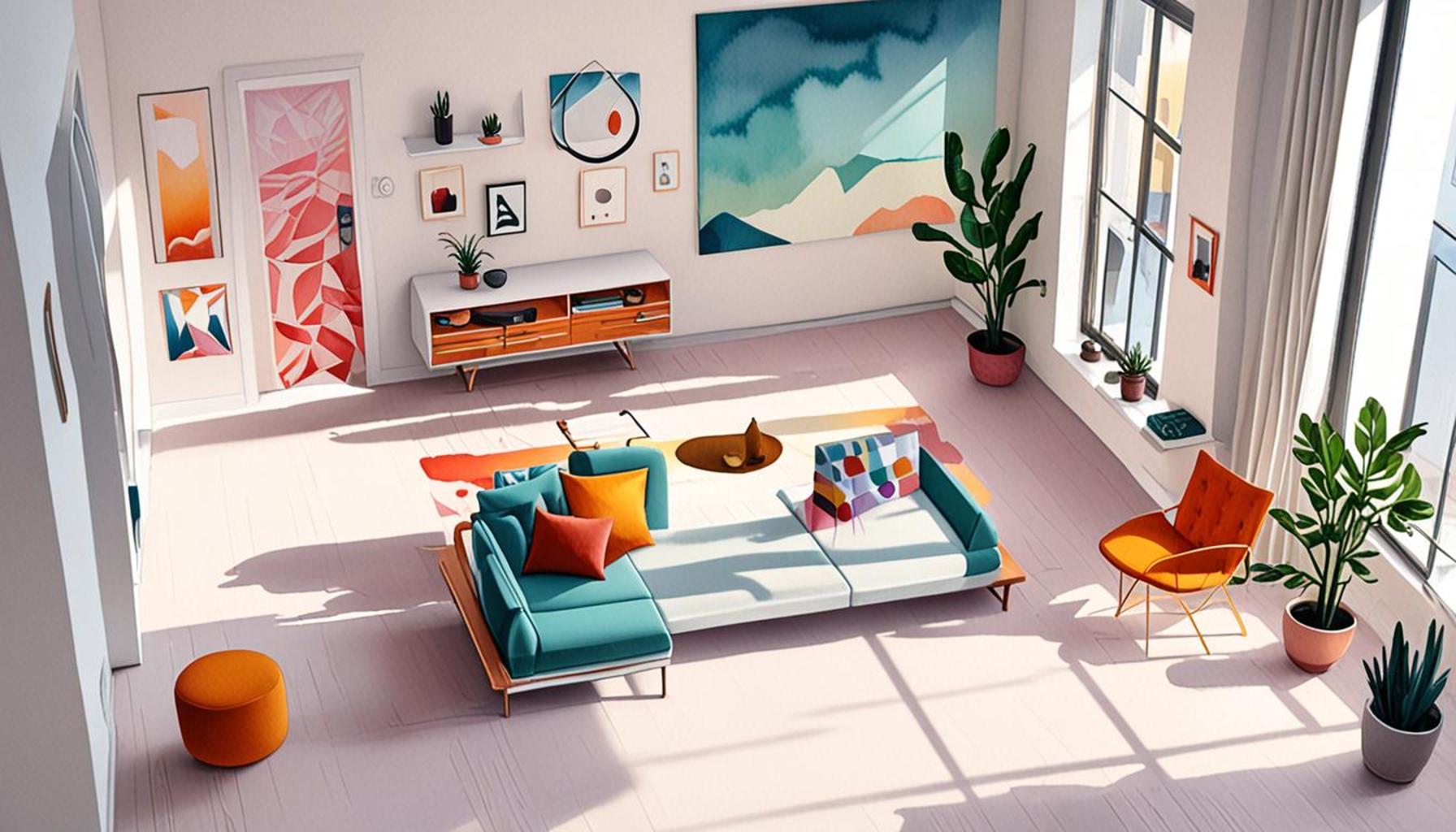
One standout example in the modular furniture category is the sectional sofa. Unlike traditional couches, sectionals can be rearranged to fit various room sizes and styles. Many models come with detachable sections that can create a cozy conversation area or be expanded for larger gatherings. With options that integrate built-in storage compartments within their designs, sectionals provide a secretive space for stowing away blankets and books, effectively reducing clutter and promoting a streamlined aesthetic.
Equally noteworthy are modular shelving units. These versatile systems allow homeowners to customize their wall storage according to the items they wish to display or conceal. Whether for books, decor, or personal keepsakes, these units offer an innovative way to create an organized yet inviting environment. Moreover, with the ability to add or remove components, they can evolve alongside the changing dynamics of a household.
- Modular office desks: A growing number of professionals working from home are adopting modular desk systems, designed to accommodate everything from full-scale office setups to compact workstations. Features such as sliding panels and adjustable heights add to the convenience while also ensuring that the workspace remains efficient and ergonomic.
- Stackable storage solutions: As organizations seek to maximize vertical space, stackable storage containers are becoming increasingly popular. These adaptable solutions can be configured in a myriad of ways, enabling an individual to keep everything from art supplies to pantry items tidy yet easily accessible. Their design promotes a clutter-free mindset, aligning seamlessly with minimalist principles.
The synergy between modular furniture and sustainability is further amplified by the rise of eco-conscious brands that focus on using sustainable materials. Items manufactured with recycled plastics, eco-friendly woods, and non-toxic finishes are becoming commonplace. By investing in modular pieces, consumers can create highly functional spaces while reducing their carbon footprint—an attractive proposition for environmentally-focused individuals.
In this age of innovation, the integration of smart modular systems cannot be overlooked. For instance, some modular units now come equipped with features that allow users to adjust lighting or temperature through smartphone applications. This not only enhances the user experience but also increases energy efficiency, further aligning with the principles of a minimalist lifestyle.
Indeed, the future of functional furniture lies in its ability to adapt and respond to the needs of contemporary living. As the dialogue around minimalism grows richer, designers are increasingly crafting pieces that champion versatility, sustainability, and innovation. With modular furniture becoming a central player in this narrative, individuals can curate spaces that reflect their unique lifestyles while embracing the elegance of simplicity.
DIVE DEEPER: Click here to discover powerful strategies
Conclusion: The Future of Multi-Use Spaces
As we come full circle on the intersection of functional furniture and minimalist lifestyles, it’s clear that the emphasis on efficiency and adaptability is reshaping our living environments. The advent of modular solutions solidifies a trend where furniture is no longer static but rather dynamic, transforming spaces to meet our evolving needs. By embracing multifunctionality, we are not only maximizing our space but also paving the way for a more sustainable future.
Each piece of furniture, from sectional sofas that mold to our routine to modular shelving units that showcase our personal stories, reflects the essence of a lifestyle rooted in simplicity and organization. Such designs not only promote a clutter-free environment but also allow us to curate a space that is uniquely our own. As we opt for furniture made from sustainable materials, we also contribute to a conscious approach towards consumption—an appealing aspect for today’s environmentally aware individuals.
Moreover, the integration of smart technology in functional furniture highlights an exciting evolution in design, offering conveniences that were once unimaginable. The ability to control our environments through integrated tech enhances not only our living experience but also furthers our commitment to efficiency and minimalism.
In conclusion, the embrace of functional furniture is more than just a trend; it is a reflection of our changing lifestyles and values. As we continue to engage with our spaces in innovative ways, the journey towards a minimalist yet fully functional home becomes not only attainable but also enriching. This evolution invites readers to explore the boundless opportunities to enhance their own living spaces while considering the balance of style, sustainability, and utility.