Color and Minimalism: How to Use Color Psychology for Space Optimization
Understanding the Role of Color in Minimalistic Design
In a world overflowing with clutter and chaos, minimalism offers a refreshing refuge. This design philosophy emphasizes simplicity, allowing for a more peaceful environment that encourages clarity in our daily lives. However, a crucial element often overlooked within minimalist spaces is the strategic use of color. How does color interact with minimalist design to create an inviting atmosphere?
The use of color transcends mere aesthetics; it significantly influences our emotions and perceptions. This connection between color and mood is backed by color psychology, which explores how different hues can affect our mental state and behaviors. When applied wisely, color can enhance the minimalist aesthetic and deepen its intended impact. Consider the following aspects:
- Warm Colors: Shades such as reds, yellows, and oranges evoke feelings of comfort and enthusiasm. These tones can invigorate a room, making them ideal for spaces meant for social interaction, like living rooms and kitchens.
- Cool Colors: Colors like blue, green, and violet foster a sense of tranquility and calmness. Such shades are often utilized in bedrooms and meditation areas, where creating a serene environment is paramount for relaxation.
- Neutral Tones: Colors such as whites, grays, and beiges serve as an essential backdrop for incorporating bolder colors, creating a streamlined look that prevents overwhelming the senses. They can ground the space, allowing for focus on surrounding elements and design.
To effectively blend color and minimalism in any environment, it is essential to implement a deliberate strategy. Here are some practical steps:
- Define Your Spatial Goals: Identify the primary purpose of the room. Will it be a space for creativity, relaxation, or productivity? Understanding this helps to guide your color choices.
- Choose a Limited Color Palette: Stick to two to four principal colors to cultivate harmony. A cohesive palette can unify the space, reinforcing the minimalist approach.
- Integrate Color to Improve Functionality: Use color not only decoratively but also functionally. For instance, a bright hue on an office wall could promote alertness, while soft greens can reduce stress levels in a workspace.
By understanding the power of color, one can create spaces that are visually appealing while simultaneously promoting well-being. Each hue plays a role, transforming an environment into more than just a collection of objects—rather, into a thoughtfully curated experience. Investigate how these elements intertwine, and discover a world where every color choice serves a distinct purpose, making your environment conducive to both action and relaxation.
DISCOVER MORE: Click here to enhance your productivity
The Psychological Impact of Color Choices in Minimalism
When designing a minimalistic space, color plays a pivotal role in shaping the ambiance and emotional resonance of the environment. Color psychology demonstrates that our responses to colors are deeply rooted in our psychology, culture, and personal experiences. By understanding how to strategically employ color within minimalist design, we can optimize a space not only for aesthetic appeal but also for enhanced functionality and mood regulation.
Colors are powerful influencers; they can evoke certain feelings and behaviors. The challenge lies in choosing the right hues that resonate with the intended purpose of the area. Research suggests that color can impact stress levels, productivity, and even creativity. Here’s a closer look at how different colors interact with our emotions and can enhance a minimalist design:
- Red: Known for its stimulating effects, red is a color of energy and passion. While it can be overwhelming in large doses, minimal highlights of red can effectively add warmth and vibrancy, especially in social spaces.
- Blue: Often associated with calmness and trust, blue shades can bring serenity to any room. Lighter blues promote tranquility, making them particularly effective in private areas like bedrooms or meditation spaces.
- Yellow: This cheerful hue is linked to happiness and optimism. However, too much yellow may cause anxiety. Using it sparingly as an accent color can brighten an area without overwhelming it.
- Green: Representing nature and renewal, green is seen as refreshing and restorative. Its various shades—from soft mint to deep emerald—can ground a minimalist space, promoting feelings of balance and harmony.
- Gray: This neutral tone is favored in minimalist designs for its versatility. Grays can create a sleek, modern look while helping other colors pop, ensuring the space remains uncluttered yet visually interesting.
To harness the powers of color in your minimalist design, consider the following strategies:
- Assess Your Space: Take a moment to analyze the room’s purpose, size, and the natural light it receives. These factors can significantly influence how colors are perceived and should guide your choices.
- Create Zones: If a single space serves multiple functions, use color to delineate these areas. For example, a soft blue for a reading nook can separate it from a vibrant yellow workspace, maintaining clarity without clutter.
- Test Before You Commit: Colors can look different in various lighting conditions. Paint swatches on the wall and observe them at different times of the day to ensure they align with the desired feeling.
By integrating an understanding of color psychology into your minimalist approach, you can create spaces that not only look stylish but also communicate a sense of calm, focus, or creativity. This harmonious blend of color and minimalism transforms a mere living area into an experience that supports and enhances everyday life.
| Advantage | Description |
|---|---|
| Enhanced Focus | Using colors like green and blue can enhance concentration and calmness, aiding in productivity within minimalistic spaces. |
| Emotional Impact | Color choices can evoke specific emotions. Warm colors can create a welcoming atmosphere, while cool colors can foster tranquility. |
| Space Perception | Light colors can make a room appear larger, while darker shades can bring a cozy intimacy to spaces. |
| Aesthetic Appeal | A minimalistic color palette allows for a harmonious design that can beautify living areas and promote relaxation. |
The relationship between color psychology and minimalism offers various advantages that can profoundly affect our daily lives. For example, by incorporating a well-thought-out color scheme, one can effectively maximize both aesthetic quality and spatial functionality. Various shades can influence our feelings, perceptions, and behaviors in a space, allowing for tailored environments to meet our needs. Exploring these elements can lead one to discover fascinating insights about how thoughtfully designed spaces can enhance not just the visuals but also the overall quality of life. With minimalism at the core, every color choice becomes significant, reinforcing the notion that simplicity—and the right colors—can lead to profound transformations in how we experience our surroundings.
DISCOVER MORE: Click here for valuable tips on transforming your space with minimalism
Creating Mood and Functionality with Color in Minimalist Spaces
Beyond mere aesthetics, colors in a minimalist setting can significantly enhance the functionality of a space. As the minimalist movement emphasizes the essence of “less is more,” it becomes vital to choose colors that not only beautify but also serve a deeper purpose. In this regard, the impact of color extends well beyond visual appeal and can dramatically influence both mood and decision-making processes within the home or office.
One powerful application of color psychology in minimalism is the strategic use of colors to affect mood and productivity levels, particularly in work environments. According to a study by the Institute for Color Research, people make subconscious judgments about environments within 90 seconds, and between 62% to 90% of these assessments are based solely on color. Therefore, selecting a color palette that aligns with one’s productivity goals is crucial.
For example, in a home office, a pale blue can serve to calm the mind, while stimulating creativity. A bright orange, often regarded as an attention-grabbing color, can inspire enthusiasm during brainstorming sessions. Additionally, there’s evidence suggesting that colors can influence a person’s cognitive capabilities. A study conducted by the University of creative Arts discovered that individuals working in rooms with green hues exhibited greater levels of creativity compared to environments dominated by monochromatic shades.
Balancing Color Within Minimalist Design
In a landscape where minimalist design thrives on simplicity and clarity, the challenge often lies in achieving a balance of colors that remain soothing while still reflecting individual personality and style. Here, monochromatic color schemes can be particularly effective. By pairing different shades and tints of a single color, you can create visual interest without overwhelming the senses. This approach allows for a vast range of expression while adhering to the principles of minimalism.
Accessibility to nature can also be a vital aspect of color in minimalist spaces. Incorporating the practice of biophilic design—where natural elements and colors are brought indoors—can foster connections to the outside world. Earthy tones such as browns and muted greens work in tandem with a minimalistic approach, providing warmth and fostering serenity while ensuring an uncluttered look.
Practical Application of Color Theory
Furthermore, when approaching color in minimalism, consider the color wheel fundamentals. Complementary colors, which sit opposite each other on the color wheel, create dynamic contrasts that can add excitement to a room. Such combinations might include navy blue coupled with a warm orange. Utilizing these contrasts strategically in decor elements, such as cushions or artwork, can invigorate a neutral space without compromising its simplicity.
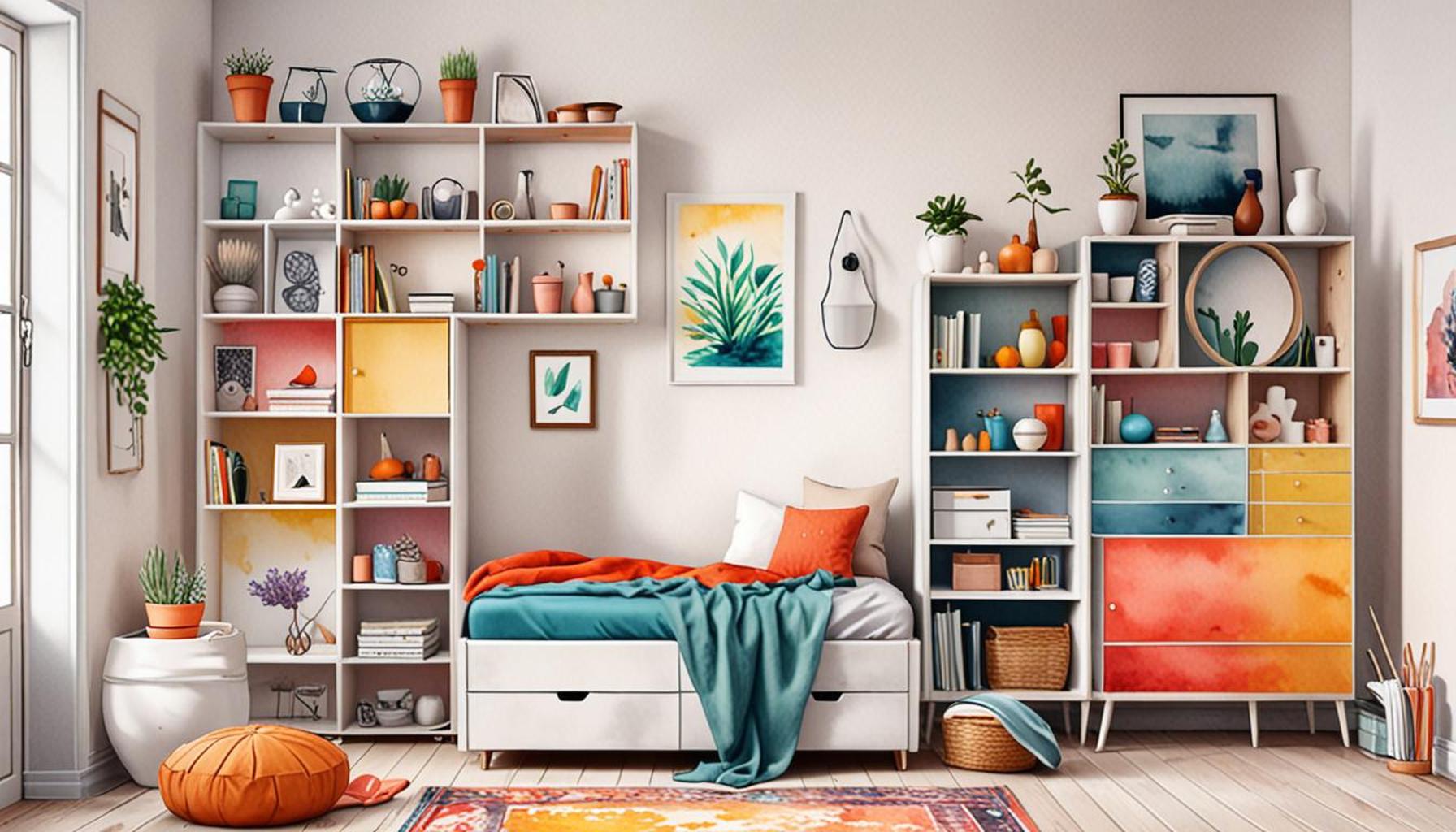
In addition, employing color blocking techniques in minimalist designs has gained traction. By painting geometric shapes or sections of walls in bold colors against a white backdrop, one can introduce life into a space while maintaining clear lines and a neat profile typical of minimalism.
The integration of color psychology within minimalism opens up new avenues in interior design. By understanding and applying these principles, homeowners and designers have the power to create spaces that foster positive emotional responses, enhance productivity, and ultimately reflect one’s unique identity—all while adhering to the philosophy of minimalism. With thoughtful color choices, a minimalist space can transcend mere functionality and become a canvas for emotional and holistic well-being.
DISCOVER MORE: Click here to unlock the secrets of minimalism in time management
Conclusion: The Harmonious Blend of Color and Minimalism
As we explore the intricate relationship between color psychology and minimalism, it becomes evident that the smart use of color extends far beyond aesthetic appeal. By intentionally selecting hues that influence mood and functionality, individuals can create spaces that not only look beautiful but also feel uplifting and purposeful. The principles of minimalism advocate for simplicity and clarity, making it essential to choose color palettes that embody these ideals while adding layers of emotional resonance.
From fostering creativity in workspaces with calming blues to invoking energy through vibrant oranges, the psychological effects of color are profound and immediate. Additionally, the incorporation of biophilic design through earthy tones connects interiors to nature, providing warmth and tranquility that is imperative in today’s fast-paced, digital world. Each choice we make reflects our personal identity and lifestyle, and color becomes an essential tool in expressing that identity while maintaining an uncluttered space.
In closing, understanding the principles of color theory within minimalist design not only optimizes space but also enriches life experiences through enhanced emotional well-being. As we embrace this synergy, we unlock new potential for our homes and work environments. Ultimately, the blend of color and minimalism encourages us to think deeply about our surroundings and inspires us to create spaces that enhance productivity, serenity, and joy.