
Decluttering Strategies in Families: How to Involve Everyone in Home Organization
Understanding the Need for a Decluttered Home
Living in a clutter-free home is a goal many families strive to achieve; however, the path to achieving a well-organized environment can be intricate and challenging. In today’s fast-paced society, many families accumulate items at a rapid pace, often leading to overwhelming messes that can be daunting to tackle. Consequently, home organization becomes an essential priority, not just for aesthetic reasons but also for overall mental well-being and functionality.
The Importance of Collective Involvement
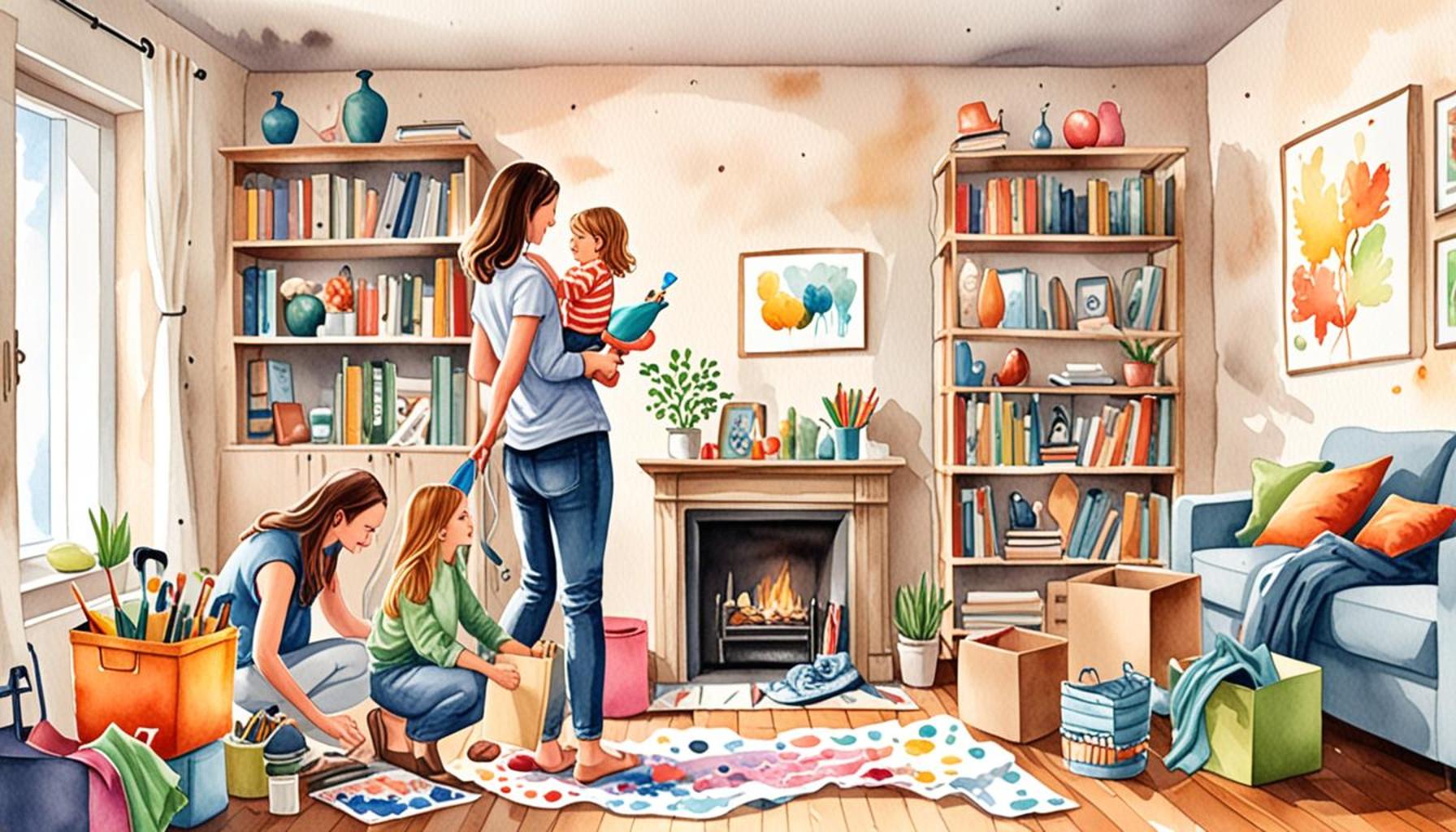
Decluttering is not merely a solo endeavor; it necessitates the active participation and commitment of everyone in the household. Engaging each family member in the organization process can lead to a significantly more harmonious atmosphere. When everyone has a stake in the process, it cultivates a shared purpose, promoting teamwork and reinforcing the idea that maintaining a tidy home is a communal responsibility.
Strategies for Successful Decluttering
To kickstart your journey towards a well-organized home, consider the following effective decluttering strategies:
- Assign Roles: Designate specific tasks to each family member. For instance, one person may be tasked with organizing bookshelves, while another could manage kitchen utensils. This division of labor ensures the workload is manageable and encourages individual accountability.
- Set Goals Together: Engage your family in setting common objectives such as “creating a toy rotation system” or “clearing out the garage to make space for a family game area.” Setting realistic goals that reflect the family’s vision fosters unity and gives everyone a clear target to work toward.
- Celebrate Progress: Recognizing achievements, whether big or small, is vital in maintaining motivation. After decluttering a room, consider celebrating with a family movie night or a special treat. Celebrations reinforce positive behavior and make the decluttering process feel rewarding.
Life Skills Through Organization
Involving everyone in the decluttering process has additional benefits beyond a tidy home. Children and adults alike acquire invaluable life skills such as responsibility, decision-making, and time management. For example, children will learn the importance of choosing their favorite toys and donating unused items, fostering a sense of empathy and understanding about giving back. Similarly, adults can enhance their organizational skills, beneficial in both personal and professional settings.
Navigating the Journey Ahead
Embracing organization as a family initiative can be transformative, guiding you towards a more serene and accessible living space. With each family member contributing their unique talents and perspectives, the journey of decluttering becomes not just about removing items but about enriching relationships within the home. Ready to reclaim your space? Explore how each member can play an integral role in your home organization project, paving the way for a more peaceful and functional family life.
DISCOVER MORE: Click here for expert tips on maximizing small spaces
Understanding the Decluttering Process
As families embark on the journey of home organization, it’s vital to recognize that this process is not merely about tidying up. It’s about creating an environment where every member feels comfortable, productive, and involved. The act of decluttering serves as an opportunity for families to reassess not only the physical items they own but also their habits, values, and the spaces they inhabit. This intricate dance of sorting, deciding, and organizing often leads to deeper conversations about what truly matters to each individual in the household.
Creating a Family Mindset
Before diving headfirst into decluttering, it is essential to cultivate a family mindset centered around organization. This can be achieved by initiating open discussions about the benefits of a clutter-free home. Highlight how a well-organized space can reduce stress, improve mental clarity, and increase the overall enjoyment of family time. Families may also find it insightful to share personal experiences regarding clutter, uncovering stories of how disorganization has impacted their daily routines. By creating a communal understanding of the need for decluttering, family members are more likely to come together with enthusiasm.
Efficient Decluttering Techniques
Implementing effective decluttering strategies can streamline the entire process, making it less overwhelming for families. Here are some actionable techniques to consider:
- The Four-Box Method: Label four boxes as “Keep,” “Donate,” “Trash,” and “Relocate.” Encourage each family member to sort items into these boxes during decluttering sessions. This visual and systematic approach simplifies decision-making, reducing the chances of second-guessing.
- Set a Timer: To keep procrastination at bay, set a timer for short bursts of decluttering, such as 15 or 30 minutes. This method, known as the “Pomodoro Technique,” can help maintain energy levels and focus while making the task feel less daunting.
- Use the ‘One in, One out’ Rule: Establish a household rule whereby for every new item brought into the home, an existing item must be removed. This practice helps maintain a balance and encourages mindful consumption among family members.
As families explore these practical techniques, they may find that the process not only clears physical space but also contributes to a newfound sense of clarity and purpose in their lives. The transformation from chaos to order during organization serves as a powerful reminder of the collective strength and capability present within each family unit.
Encouraging Open Communication
Throughout the decluttering process, maintaining open lines of communication is crucial. Regular family meetings can be scheduled to discuss progress, setbacks, and new strategies that may be necessary. Encouraging each member to voice their thoughts fosters a collaborative environment, ensuring everyone feels valued and heard. This collective approach helps families navigate the challenges of decluttering while enhancing their relationships and understanding of one another.
By embracing these foundational practices of organization, families can not only create a more harmonious living space but also develop lasting skills that promote teamwork and unity. With every effort to declutter, a family draws closer together, discovering that the journey is just as significant as the destination.
| Category | Description |
|---|---|
| Shared Responsibility | Involving each family member fosters a sense of ownership over the process of home organization. |
| Skill Building | Engaging kids and adults in decluttering strengthens organizational skills and promotes teamwork. |
| Emotional Connections | By addressing sentimental items together, families can learn the importance of letting go without losing memories. |
| Reduction of Stress | A decluttered home leads to a more calm environment, benefiting all family members’ mental well-being. |
In the journey of decluttering, implementing shared responsibility not only enhances collaboration but also strengthens family bonds. When each member takes part, the task transforms from a chore into a collective effort that promotes engagement with each other’s ideas. Imagine setting specific roles for every family member—children can tackle their own spaces, while adults focus on shared areas. This not only teaches children the value of organization but also demonstrates the effectiveness of teamwork.Furthermore, when families address their belongings, emotional barriers often surface. Navigating sentimental items together helps in understanding the value of belongings and encourages decision-making on what should remain or be released. It’s essential to help the family understand that this process isn’t merely about getting rid of items but reinforcing emotional connections while maintaining a functional living space.
DISCOVER MORE: Click here to uncover the benefits of minimalism</p
Creating Practical Routines
To sustain the momentum of decluttering, families can establish practical routines that fit seamlessly into their daily lives. A consistent routine encourages everyone to take ownership of their space, reinforcing the values of organization and responsibility. Here are a few ideas that families can implement:
- Weekly Cleanup Days: Designate a specific day each week for a family cleanup session. This not only keeps clutter in check but also reinforces the idea that everyone contributes to the home’s upkeep. Consider rotating responsibilities or assigning specific areas to different family members, so everyone feels engaged.
- Daily Five-Minute Declutter: Encourage family members to take just five minutes each day to tidy up a designated area. This quick daily practice can prevent clutter from accumulating and can easily become a part of the family’s routine.
- Seasonal Decluttering Sessions: Schedule larger decluttering sessions with the change of each season. This is an excellent opportunity to review belongings, adapt to different weather needs, and ensure that everything has its rightful place as seasons and activities change.
Integrating these routines into family life not only keeps the home organized but also helps reduce feelings of overwhelm when it comes to cleaning. It’s about fostering a culture where everyone plays a part, making home organization feel more like a team effort rather than a burden.
Incorporating Fun Activities
When decluttering feels like a chore, it’s easy for family members to lose interest or disengage altogether. To combat this, families can incorporate enjoyable activities into the decluttering process. Making it fun can transform a mundane task into a bonding experience. Here are some engaging strategies:
- Decluttering Challenges: Host friendly competitions among family members to see who can declutter the most items in a specified timeframe. Consider small prizes or rewards for achieving goals, fostering a spirit of friendly rivalry.
- Music Motivation: Create a family playlist of everyone’s favorite songs to listen to while decluttering. Music can elevate the mood and make the experience more enjoyable, transforming the task into a dance party.
- Crafting with Found Items: Encourage creativity by suggesting that some items designated for donation or recycling could be upcycled into new craft projects. This not only reduces waste but also stimulates creativity and teamwork.
By incorporating fun activities, families can create positive associations with decluttering, encouraging consistent participation from everyone, regardless of age. This collaborative spirit fosters a positive mindset around organization.
Promoting Individual Responsibility
Moreover, it’s crucial for families to instill a sense of individual responsibility in home organization. While teamwork is essential, everyone should understand their role in maintaining the space. Here’s how to encourage personal accountability:
- Personal Storage Spaces: Assign each family member a designated space for their belongings. Whether it’s a drawer, shelf, or specific area in a room, having a personal space enhances ownership and encourages mindfulness about what they bring into the home.
- Regular Reflection: Encourage individual reflections on their belongings each month. Facilitate a conversation about whether items truly serve their purpose or bring joy, echoing sentiments from the well-known Marie Kondo philosophy.
- Responsibility for Personal Items: Make it clear that each family member is responsible for keeping track of their own items. This accountability helps instill lifelong habits of organization and responsibility.
Emphasizing the importance of individual responsibility while maintaining a collaborative family effort strengthens the overall system of home organization. Each family member’s commitment to maintaining a clutter-free space contributes to a more functional and enjoyable living environment. As families navigate their decluttering journey together, they will cultivate habits that extend beyond the home and into every aspect of their lives.
DISCOVER MORE: Click here for practical organization methods
Conclusion
Involving every family member in the decluttering process is not just about creating a cleaner home; it’s about establishing a foundation of shared responsibility and teamwork. As we have explored, implementing decluttering strategies such as creating practical routines, incorporating fun activities, and promoting individual responsibility can transform home organization from a daunting chore into an engaging family activity. These strategies encourage collaboration, foster creativity, and instill valuable life skills that extend beyond mere organization.
By introducing elements of fun and competition, families can turn decluttering into a bonding experience, making the process feel less like a task and more like a collective adventure. Furthermore, encouraging personal accountability by assigning designated storage spaces enhances overall mindfulness and ownership of belongings. This dual approach—balancing teamwork with individual responsibility—cultivates an environment where everyone feels invested in maintaining a harmonious living space.
Ultimately, the journey toward a clutter-free home is a continuous one, enriched by the active participation of all family members. Adopting these decluttering strategies not only promotes a more organized home but also strengthens family bonds and creates lasting habits of mindfulness and care. As families embrace this journey together, they open the door to a lifestyle that values clarity and purpose, fostering well-being and joy in every corner of their lives.