
Deconstructing Overload: Minimalist Strategies to Eliminate Time Distractions

The Challenge of Modern Distractions
In the hustle and bustle of contemporary life, distractions seem to be lurking around every corner. With smartphones buzzing incessantly, social media demanding our attention, and an endless stream of emails and notifications flooding our devices, maintaining focus has become increasingly challenging. This perpetual state of distraction not only affects productivity but can also lead to feelings of being overwhelmed and stressed. As a result, many individuals grapple with what can be described as a state of information overload.
The Minimalist Approach: Regaining Control
To combat the chaos of modern life, adopting a minimalist approach can yield significant benefits. By simplifying various aspects of our routines, we can regain control over our time and energy. Here are some effective strategies to consider:
- Prioritize Tasks: Begin each day by identifying the most important tasks at hand. This could involve creating a to-do list and distinguishing between urgent and non-urgent responsibilities. Focusing on high-impact activities can lead to a greater sense of accomplishment and clarity.
- Digital Detox: With Americans spending an average of 3.5 hours daily on their smartphones, it’s crucial to address our screen habits. Designate specific times during the day for checking messages and social media, and consider using apps that track and limit screen time. This intentional reduction in distractions can help people reconnect with their surroundings and engage more fully in the present moment.
- Simplify Your Environment: Clutter can be incredibly distracting, whether it’s physical items in your home or a disorganized digital space. Take time to declutter both your physical surroundings—removing unnecessary items and organizing your space—and your digital life by unsubscribing from newsletters you no longer read, deleting unused apps, and organizing files on your devices. These small steps can lead to a clearer mind and enhanced productivity.
The Urgency of Streamlining Life
Research reveals a concerning trend: as the number of distractions increases, so does the tendency for productivity to decline. The urgency to streamline life and take charge has never been more vital in a society so heavily reliant on technology.
By implementing these minimalist strategies, individuals can not only improve their focus but also reignite their passion for the activities that genuinely inspire and fulfill them. Embracing less is often a path to discovering more—more creativity, more joy, and more engagement in both personal and professional spheres.
The journey towards minimalism is about understanding the value of simplicity in enhancing overall well-being. Small, deliberate changes, though seemingly insignificant, can lead to profound transformations in quality of life, ushering in a new era of clarity and purpose in daily activities.
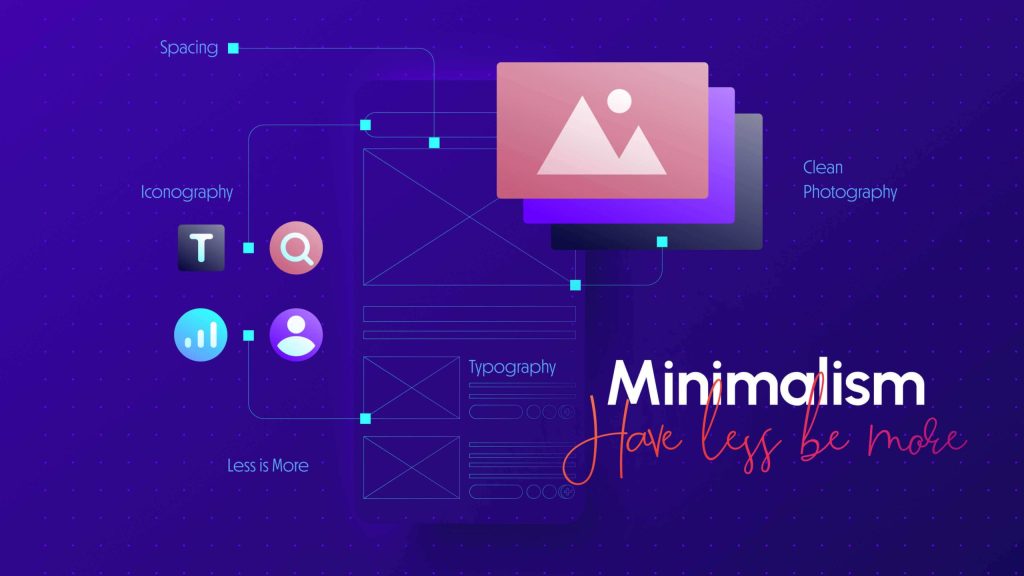
DISCOVER MORE: Click here to achieve clarity in your space
Identifying Core Distractions
To effectively tackle the issue of distractions, it’s essential to pinpoint the specific elements that contribute to feelings of overload. In our interconnected world, technology is the most pervasive disruptor, and understanding its role can help mitigate its effects. The average American checks their smartphone more than 96 times a day, amounting to a staggering 18 hours a week spent on the device. This staggering figure sheds light on the need to evaluate our relationship with technology and implement practical strategies.
To begin deconstructing the clutter in our lives, consider the following common distractions that can derail focus:
- Constant Notifications: Alerts from apps, messages, and emails can break your concentration multiple times an hour. Research indicates that on average, an individual is distracted once every 11 minutes by a digital notification.
- Social Media Browsing: Platforms are designed to captivate attention, often leading users into a vortex of endless scrolling. A study shows that the average user spends almost two hours per day on social media, which could otherwise be dedicated to more productive tasks.
- Information Overload: Access to vast amounts of information can lead to analysis paralysis. With countless articles, podcasts, and videos available, the tendency to consume before taking action can hinder productivity, leaving individuals feeling stuck rather than motivated.
Recognizing these distractions is the first step towards mastering minimalism in our daily routines. Understanding the gravity of their impact may prompt a shift in habits and prioritization. Consider tracking your screen time and reflecting on how often you are interrupted by notifications. Tools like screen time trackers on smartphones can provide insights and accountability towards reducing such interruptions.
Creating Mindful Boundaries
Once distractions are identified, setting boundaries becomes essential. Minimalism encourages a conscious approach to time management, urging individuals to carve out designated periods for concentrated work. Creating consistent routines can profoundly alter productivity and mood. For instance, establishing “no-phone” zones or time blocks, where distractions are minimized, can enhance focus significantly. Individuals may find that even a 20-minute time frame dedicated solely to a specific task produces higher quality work than a whole hour filled with interruptions.
Ultimately, deconstructing overload is about re-evaluating what is essential. With minimalism as a guiding principle, individuals can push past chaos and reclaim their attention, leading to improved productivity and satisfaction in both personal and professional endeavors. Through simple yet powerful changes in our modern habits, the goal of achieving clarity and focus can be within reach once more.
Understanding Minimalist Strategies
In a world inundated with constant notifications, endless social media scrolls, and the pressure to be perpetually productive, adopting minimalist strategies becomes essential for anyone looking to reclaim their time. The essence of minimalism extends beyond aesthetics; it embodies a lifestyle that prioritizes meaningful engagements over overwhelming distractions.
Identifying Essential Tasks
One effective strategy is to actively identify and prioritize essential tasks. This involves distinguishing between what is urgent and what is truly important. By focusing solely on these high-priority tasks, individuals can manage their time effectively and avert the chaos of a busy but unproductive day. Utilizing tools like the Eisenhower Matrix can help categorize tasks and allocate time appropriately.
Setting Boundaries
Another vital minimalist approach is establishing boundaries. This could mean setting specific time blocks for checking emails or dedicating entire days to deep work, free from disruptions. Communicating these boundaries to colleagues or family members can foster an environment that respects personal productivity and time management efforts, allowing for deeper focus and more fulfilling work experiences.
Digital Minimalism
Digital distractions can severely undermine productivity. Hence, digital minimalism emerges as a necessary tactic. This strategy encourages the decluttering of one’s digital environment—deleting unnecessary apps, unsubscribing from distracting notifications, and curating a purposeful digital feed. By minimizing digital overload, individuals can re-engage with their tasks and cultivate a more mindful use of their time.
Mindfulness Practices
Finally, integrating mindfulness practices into daily routines can drastically reduce time distractions. Techniques such as meditation, deep-breathing exercises, or even simple moments of reflection are proven to enhance focus. These practices enable individuals to maintain awareness of their mental state, making it easier to redirect attention back to their core objectives whenever distractions arise.
| Category | Advantages |
|---|---|
| Time Management | Improves overall productivity by focusing on essential tasks. |
| Reduced Overwhelm | Minimizes stress and enhances clarity of purpose. |
| Enhanced Focus | Promotes deeper work with fewer distractions. |
By employing these minimalist strategies, individuals can successfully navigate the tempest of distractions that characterize modern life. Embracing a more intentional approach to how we allocate and value our time can lead to increased fulfillment, productivity, and overall satisfaction.
DISCOVER MORE: Click here to enhance your minimalist journey
Implementing Strategic Time Management Techniques
Once the core distractions have been identified and boundaries established, the next step is to leverage strategic time management techniques that align with minimalist principles. These techniques enable individuals to redefine their productivity landscape, providing clarity and focus where it was once obscured by chaos. One such technique is the Pomodoro Technique, a time management method where work sessions are divided into intervals, traditionally 25 minutes in length, followed by short breaks. This structure can mitigate mental fatigue and increase productivity, allowing focused bursts of concentration that combat the effects of distractions. A simple timer can turn even the most daunting tasks into manageable segments, making the process feel less overwhelming.
Another effective strategy is the Two-Minute Rule, conceptualized by productivity expert David Allen. This principle states that if a task can be completed in two minutes or less, it should be done immediately rather than put off or added to a to-do list. In a world where accumulative tasks can lead to overload, adopting this approach not only streamlines workflow but also reduces mental clutter. By swiftly tackling minor tasks as they arise, you clear your mind for more substantial projects.
For many, the integration of time-blocking into daily schedules has proven transformative. This technique involves allocating specific time slots for particular activities throughout the day. Instead of multi-tasking and attempting to juggle various responsibilities simultaneously, time-blocking provides focused periods for work, meetings, and even relaxation. For example, you might designate mornings for creative work and afternoons for administrative tasks. Such a method not only protects time but also enhances awareness of where energy is being spent across different areas of life.
Digital Decluttering
In a digital age, the necessity for digital decluttering cannot be overstated. As technology continues to encroach upon our lives, implementing minimalism in the digital realm is imperative for mental clarity. Begin by reviewing your mobile applications: are there unused apps that drain your attention or notifications that halt your momentum? Uninstalling or disabling these distractions can streamline your smartphone experience, allowing you to focus on essential tasks without interruptions. A study conducted by the Pew Research Center revealed that nearly 70% of users have apps that they never open. This statistic points to a larger issue of digital overwhelm, further emphasizing the importance of a minimalist digital presence.
In addition, consider using productivity apps that prioritize tasks instead of serving as additional sources of distraction. Applications with features like focus timers, daily planners, or services that curtail excessive social media use—like site-blocking browser extensions—can create a streamlined environment conducive to productivity. The right tools enhance efficiency instead of subtracting from it, fostering a profound sense of control over how time is utilized.
Finally, it’s crucial to instill a culture of digital detoxing. Carving out specific periods to disconnect from screens allows your mind to recharge and promotes a sense of self-awareness regarding your time usage. Whether it’s a designated hour each day for reflection or entire weekends free from digital interactions, these practices cultivate a lifestyle centered on intentionality. In doing so, individuals may find significant improvements in their mental well-being and productivity, reinforcing the minimalist mindset that prioritizes quality over quantity in both time and resources.
DISCOVER MORE: Click here to delve into the art of decluttering
Conclusion: Embracing Minimalism for Enhanced Productivity
In a world increasingly characterized by distractions, adopting a minimalist approach to time management can revolutionize our productivity and mental well-being. By implementing strategies such as the Pomodoro Technique, the Two-Minute Rule, and time-blocking, individuals can effectively carve out focused segments of time for their most important tasks, alleviating the stress brought on by overwhelming workloads. The transition to a more structured routine fosters both clarity and efficiency, allowing for a heightened state of awareness regarding how our time is spent.
Moreover, the practice of digital decluttering serves as a vital component in this transformative journey. By removing unnecessary apps and notifications, we not only streamline our digital lives but also create environments conducive to focused work. Research by the Pew Research Center illustrates the pervasive issue of digital overload, underscoring the pressing need for intentionality in our online interactions. To further solidify this new approach, regular periods of digital detoxing can rejuvenate our minds, infusing them with the energy needed for sustained productivity.
Ultimately, the aim of these minimalist strategies is to empower individuals to regain control over their time and priorities. By deconstructing the noise of modern distractions, we open ourselves to a life enriched by focus, creativity, and overall fulfillment. As you embark on this journey, remember that less can indeed become more—and in the realm of time management, this concept could be the key to unlocking your most productive self.