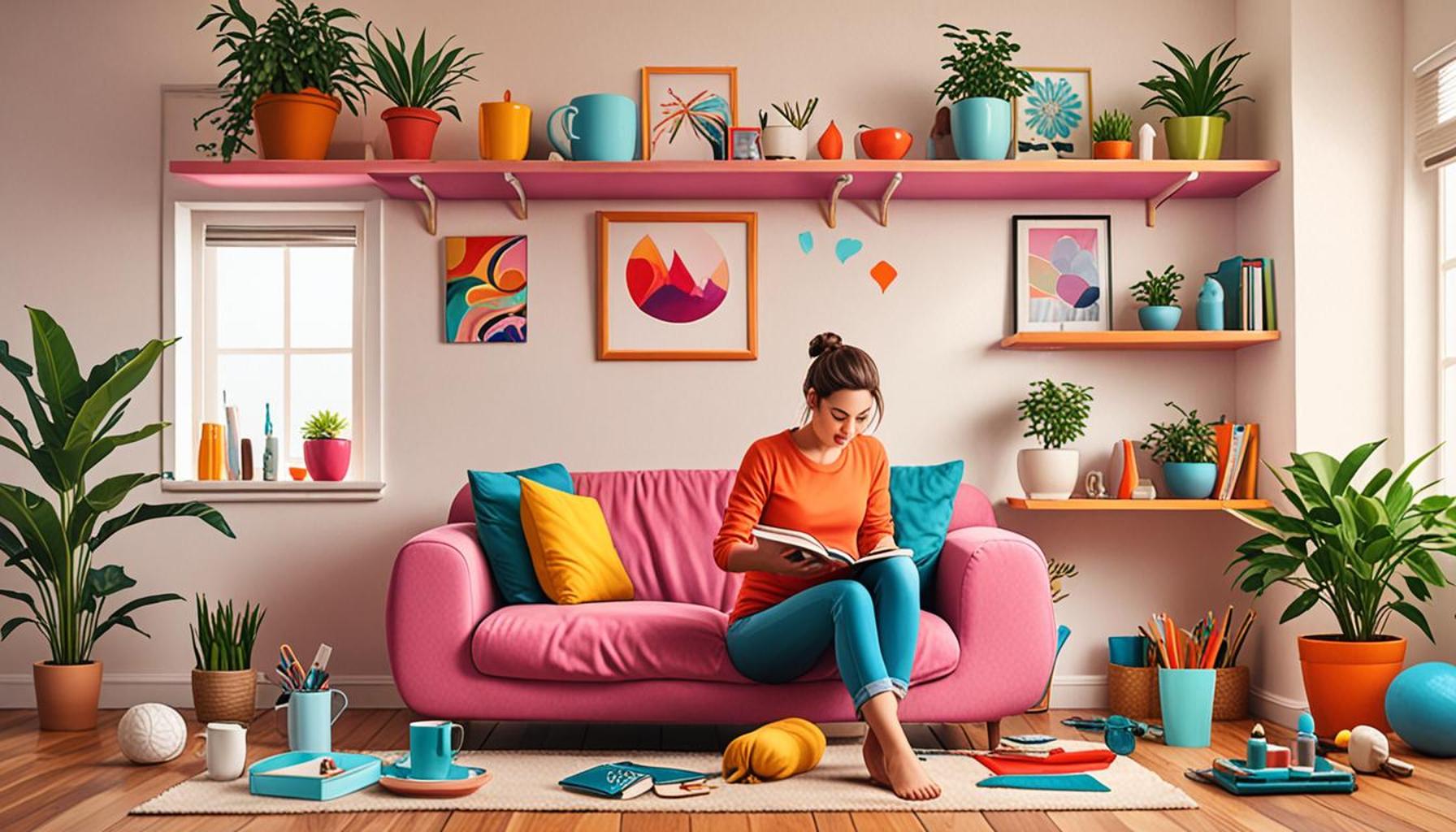
Mindful Living and the Importance of Personal Space: Creating Comfort Zones in a Minimalist Lifestyle
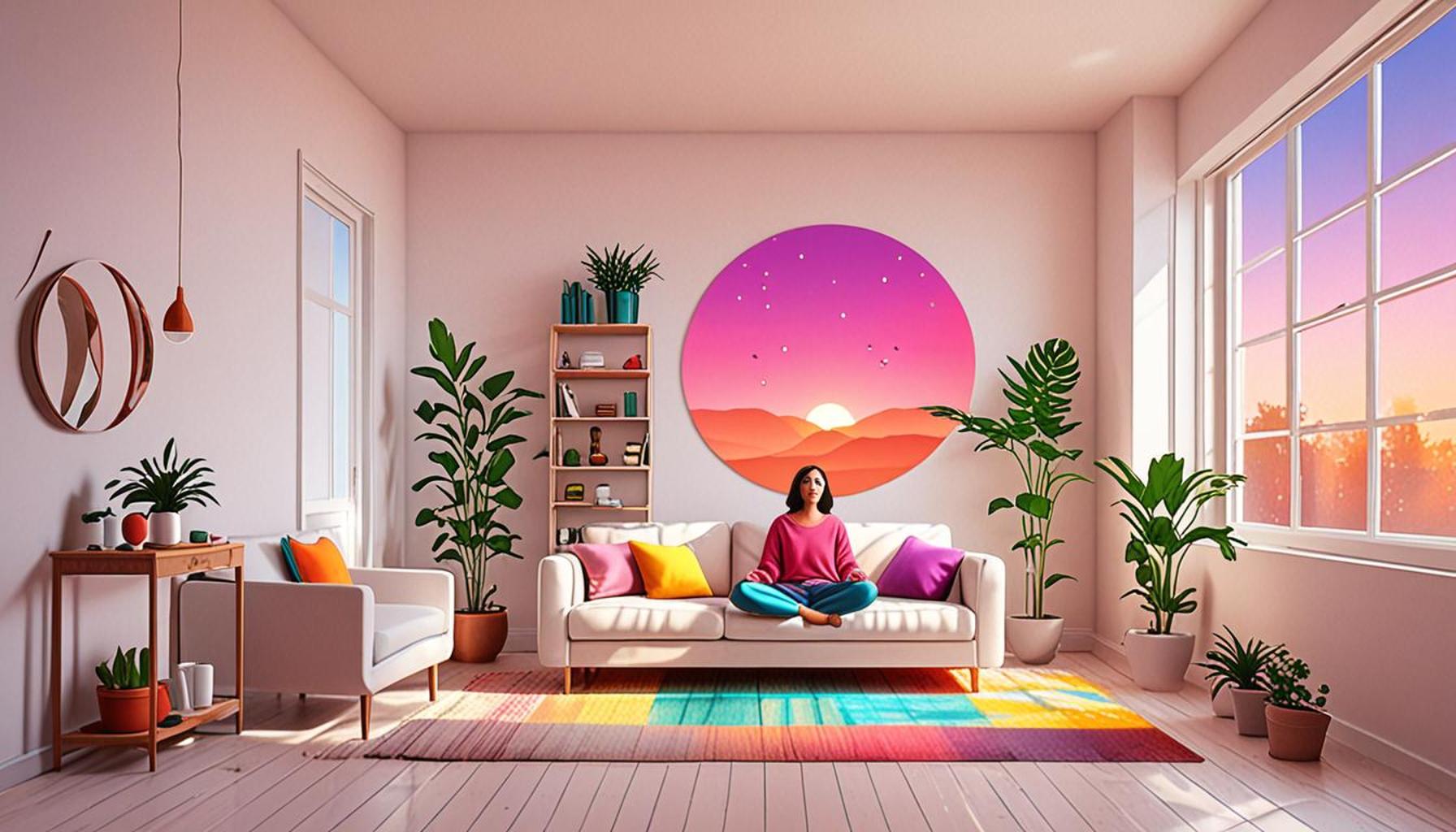
Exploring Mindful Living
In today’s fast-paced world, mindful living is gaining traction as individuals seek balance amidst chaos. Understanding the significance of personal space can be the key to cultivating a comfort zone that fosters tranquility and focus. With rising stress levels and the relentless pace of modern life, many people are looking for strategies that not only reduce anxiety but also promote a deeper sense of connectedness with themselves and their surroundings.
Creating a minimalist lifestyle goes beyond merely reducing belongings; it is a conscious choice to enhance mental well-being. The clutter we often ignore in our homes can seep into our minds, creating distractions that hinder our ability to concentrate or relax. This makes decluttering an essential first step toward cultivating peace. Studies have shown that a tidy environment can reduce stress and improve mood, making it easier to engage in productive activities.
Practical Steps to Foster Mindfulness
Some effective strategies for establishing a comfortable and mindful living space involve:
- Decluttering: Regularly assess your belongings, and let go of items that no longer serve a purpose or spark joy. This could include old clothes, unused kitchen gadgets, or even sentimental items that weigh you down. A local charity or donation center can be an ideal place for these items, ensuring they find new life.
- Designated areas: Establish specific zones within your home—like a cozy reading nook or a serene workspace—dedicated solely to relaxation or productivity. This separation lays the groundwork for a mental association between environments and activities, making it easier to switch modes.
- Intentional living: Curate your surroundings by choosing to keep only those items that resonate with you emotionally or serve a practical function. Consider incorporating elements that evoke positive feelings, like artwork that inspires you or plants that add vibrancy to your space.
These elements contribute to a setting that promotes serenity and encourages personal growth. The combination of a minimalist approach and mindful practices can lead to heightened levels of personal satisfaction and improved overall quality of life. By prioritizing what truly matters, respecting your personal space, and fostering an environment that reflects your values, you create a sanctuary for yourself amidst external chaos.
The Journey Ahead
In this exploration, we will dive deeper into the different facets of creating comfort zones while navigating the delicate balance of mindfulness and minimalism. Discover how to establish a sanctuary that truly resonates with your essence and nourishes your spirit. Each step taken towards mindful living is an investment in your mental well-being—one that pays dividends in clarity, focus, and inner peace.
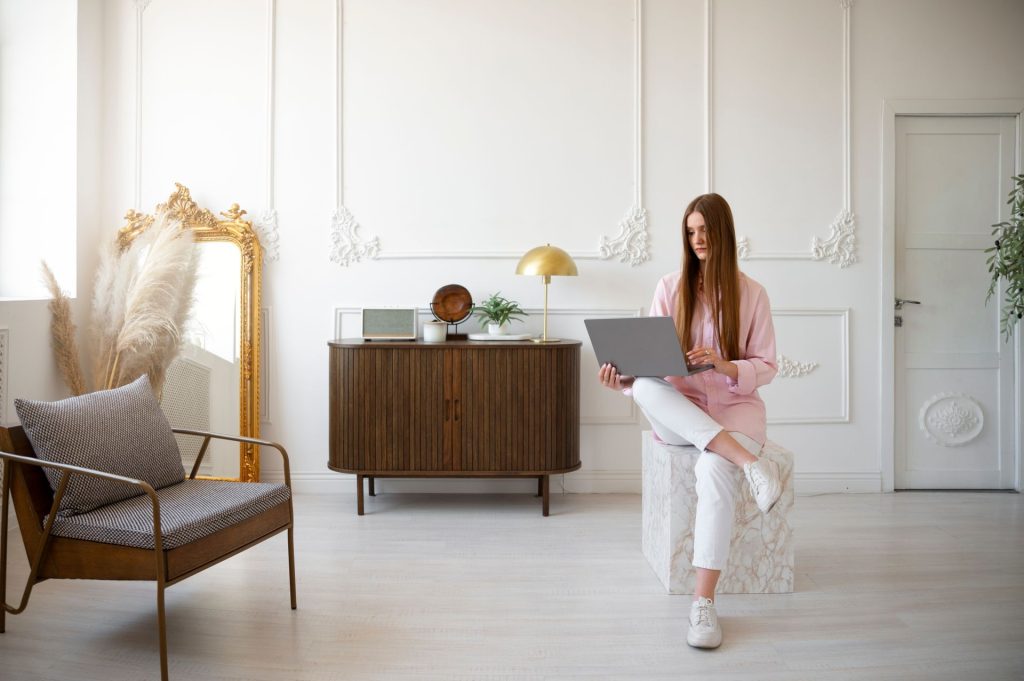
DISCOVER MORE: Click here for tips on maximizing small spaces
Creating Personal Space for Mindfulness
The practice of mindful living emphasizes awareness, intentionally engaging with the present moment, and nurturing one’s mental well-being. A core component of this philosophy is the importance of personal space. Establishing a designated area that feels nurturing can significantly enhance one’s ability to be mindful and focused. Research suggests that our environments heavily influence our state of mind; therefore, creating a welcoming space can be transformative.
When we think of minimalist lifestyle, we often envision stark rooms devoid of personality. However, true minimalism encourages the elimination of excess, allowing individuals to retain items that resonate deeply with their personal identities. This reduction not only helps in decluttering physical spaces but also mental ones, making way for clarity and serenity.
Essentials of a Mindful Environment
A mindful living space is not just about having fewer items; it’s about the quality and the emotional connection to what remains. Below are essential aspects to consider when creating an environment that fosters mindfulness:
- Lighting: Appropriate lighting can dramatically affect the ambiance of your space. Natural light is ideal, as it promotes alertness and a sense of well-being. If natural light is limited, consider warm-toned lamps or candles to create coziness.
- Comfortable Furnishings: Invest in furniture and accessories that invite relaxation. A soft chair or a plush rug can offer comfort and become a go-to spot for mindfulness practices like meditation or reading.
- Sensory Elements: Incorporate elements that engage the senses—such as soothing scents from essential oils or calming sounds from nature or soft music. These elements can trigger relaxation and reinforce your comfort zone.
- Personal Touches: Display items that inspire joy or reflection, such as photographs, art, or mementos from significant experiences. These items personalize your space while serving as reminders of positive feelings.
Creating this type of environment is not about perfection; it’s a journey toward achieving a state of mind that supports well-being. By emphasizing personal space, individuals can cultivate a sanctuary that caters to their emotional needs—a crucial aspect in today’s increasingly chaotic world. Embracing mindfulness draws attention to the idea that our surroundings can serve as a powerful ally in our quest for tranquility.
Balancing Minimalism with Emotional Needs
In balancing minimalism with personal comfort, it becomes essential to differentiate between necessity and excess. This balance can be achieved by often reassessing your space and allowing it to evolve with your changing needs. As you learn to welcome tranquility into your home, you’re not just creating a physical space; you’re establishing a refuge for your mind and spirit, allowing for a more enriching and fulfilling life experience.
Understanding Comfort Zones in Minimalist Living
Embracing a minimalist lifestyle opens the door to the critical concept of personal space and comfort zones. It goes beyond mere physical space; it involves creating an environment that fosters peace and mindfulness. A thoughtful approach to your surroundings can significantly enhance your mental well-being and productivity.To create effective comfort zones, it’s essential to understand the emotional and psychological aspects tied to personal space. When individuals carve out minimalistic comfort zones, they prioritize clarity and calmness in their lives. This prioritization helps alleviate stress and anxiety linked with clutter and chaos. Studies show that individuals who maintain organized personal spaces can concentrate better and experience increased creativity.In practice, designing your comfort zone involves selecting a specific area to transform—such as a reading nook, meditation space, or a simple desk for focused tasks. Each zone should echo simplicity and intentionality, turning it into a retreat from the frantic nature of modern life. Consider incorporating natural elements like plants and soft lighting to elevate the serenity of the space.Moreover, the practice of mindfulness complements this lifestyle. Mindfulness encourages individuals to engage fully in the present moment, acknowledging their environment, emotions, and thoughts. Pairing mindfulness with a minimalist approach enhances the appreciation of each moment spent in one’s comfort zone. By identifying distractions and minimizing unnecessary possessions, a deep sense of belonging can unfold.As you explore these concepts, remember that creating comfort zones in a minimalist lifestyle is not about perfection. It’s about crafting spaces that resonate with your unique sense of self and well-being, paving the way for a balanced and fulfilling life.
| Category | Advantages |
|---|---|
| Personal Space | Encourages relaxation and reduces stress |
| Mindfulness | Enhances focus and appreciation of the present |
Exploring these benefits can inspire readers to adopt a mindful and minimalist approach in their lives, unlocking new avenues for personal growth and well-being.
DIVE DEEPER: Click here to uncover the benefits of mindfulness in minimalism</
Embracing Minimalism as a Path to Mindful Living
To cultivate a truly enriching sense of mindful living, embracing a minimalist lifestyle goes beyond merely decluttering your physical surroundings; it involves a holistic approach to how you view and interact with your space. In this pursuit, it becomes increasingly important to recognize the physical and emotional implications of our choices. The minimalist philosophy encourages intentional living by prioritizing experiences and mental clarity over the accumulation of possessions. Each item you choose to keep should serve a distinct purpose or evoke a sense of joy, resonating with your personal narrative.
The Role of Intentionality in Creating Comfort Zones
Intentionality is a cornerstone of mindful living. It requires active decision-making about what to bring into your life. For instance, rather than filling your home with generic décor, seek pieces that tell your story or inspire positivity. An art piece from a local artist, for example, can transform a simple corner into a vibrant reminder of community and creativity, while reinforcing your commitment to personal space. This intentional approach resonates with the core tenet of minimalism: every item should enhance your comfort zone.
Furthermore, emotional needs should significantly influence the design and layout of your space. In a world where many people report feeling increasing levels of stress, finding tranquility within your personal sanctuary is essential. Research indicates that environments that are tailored to individual preferences can lower cortisol levels—the hormone associated with stress—allowing for a profound sense of calm. Thus, it can be beneficial to experiment with spatial arrangements until you find a layout that feels nurturing and supportive.
Utilizing Nature to Enhance Mindfulness
Those pursuing a minimalist lifestyle can also integrate elements of nature into their spaces to enhance their mindful living practices. Incorporating plants not only beautifies a home but also contributes significantly to emotional well-being. Studies have shown that indoor plants can improve air quality and enhance mood, while their vibrant greens offer a visual plaster that nurtures serenity. Simple plants like succulents or peace lilies require minimal care, making them ideal companions in a minimalist home.
Moreover, nature-inspired elements—such as natural wood grain, stone textures, or soft textiles—can evoke feelings of tranquility. By using organic materials, you can create a warm, inviting atmosphere that promotes mindfulness in daily routines. A subtle shift from artificial materials to natural textures encourages a connection to the earth, reinforcing both a sense of grounding and presence.
Creating Personal Rituals Within Your Space
The establishment of personal rituals within your comfort zones can significantly deepen your mindfulness practice. Consider integrating short, daily routines that utilize your dedicated space for reflection or relaxation. This can include a moment of gratitude journaling by a sunny window, practicing deep-breathing exercises in a serene nook, or starting your day with a calming cup of tea in an uncluttered environment. Such rituals draw attention to the significance of your personal space, reinforcing your commitment to mindfulness.
Ultimately, achieving a successful balance between form and function in a minimalist lifestyle not only promotes a stress-free environment but also encourages a deeper connection to your emotional needs. By recognizing the importance of personal space as a foundation for mindful living, individuals can create sanctuaries that support both their mental wellness and their journey toward a more intentional life.
DISCOVER MORE: Click here for effective personal organization strategies
Conclusion: The Intersection of Mindful Living and Personal Space
In a fast-paced world where external chaos often infiltrates our inner peace, the journey towards mindful living through minimalism provides a balm for our weary minds. The essence of this lifestyle lies in cultivating personal space that resonates with our emotional well-being, allowing us to reconnect with what truly matters. By intentionally curating our environments and integrating elements of nature, we cultivate comfort zones that serve as sanctuaries for healing and reflection.
The importance of personal space cannot be overstated; it is here that we can unwind, recharge, and develop meaningful rituals that enhance our daily experiences. As research increasingly highlights the psychological benefits of harmonious spaces, creating a nurturing environment becomes not just beneficial but essential. Each thoughtfully selected item or design choice acts as a building block in our quest for mental clarity and emotional stability.
Thus, embracing a minimalist lifestyle and prioritizing mindful living calls for a shift in perspective. It is an invitation to scrutinize our possessions, redefine our boundaries, and foster environments that inspire tranquility and creativity. For those seeking to embark on this path, consider it a journey towards a more intentional existence where personal comfort, emotional balance, and mindful presence coexist harmoniously. In doing so, you not only enhance your quality of life but also contribute to a culture of mindfulness that can ripple outward, positively affecting those around you.