
Mindful Living as a Self-Assessment Tool: Reflecting on Our Priorities and Values in Personal Organization

Exploring Mindful Living
In the chaos of modern life, the concept of mindful living emerges as a compelling approach to understanding our inner selves. It invites us to pause, reflect, and assess what truly matters in our lives. By integrating mindfulness into our daily routines, we can better align our actions with our personal values and priorities.
Understanding Mindful Living
Mindful living encompasses practices that promote awareness and intentionality. This philosophy emphasizes living with presence—a commitment to engaging with the world as it unfolds in real-time. Key aspects include:
- Present Moment Awareness: This involves focusing on the here and now rather than being lost in thoughts about the past or the future. For example, when enjoying a meal, taking the time to savor each bite can enhance the dining experience, making it more enjoyable and fulfilling.
- Reflective Practices: Engaging in journaling or meditation allows us to explore our beliefs and feelings deeply. Through these practices, individuals can explore themes such as gratitude, emotional responses, and life goals, thereby fostering a greater understanding of their personal narratives.
- Intentional Decision-Making: Mindful living encourages us to make choices that resonate with our core values. For instance, if sustainability is significant to someone, they might decide to support local farmers’ markets instead of buying mass-produced goods, thus living in line with their environmental principles.
Self-Assessment through Mindfulness
Utilizing mindfulness as a self-assessment tool can lead to transformative changes in various aspects of life. It encourages us to:
- Identify what is essential in our personal and professional lives. This could involve distinguishing between what is necessary and what is merely a distraction in a busy work environment.
- Reassess productivity by aligning tasks with our priorities. For example, someone may find that spending time on more meaningful projects, rather than engaging in trivial tasks, brings greater satisfaction and effectiveness in their work.
- Enhance emotional well-being by promoting clarity and focus. Practicing mindfulness regularly can help reduce anxiety and stress levels, making it easier to cope with the demands of everyday life.
As we dive deeper into the nuances of mindful living, we can uncover profound insights into our organizational habits and personal goals. This exploration not only aids in personal growth but also fosters a more harmonious existence where our actions reflect our true selves. By prioritizing mindfulness, we can cultivate a sense of peace and fulfillment that permeates every aspect of our lives—from our relationships to our professional endeavors. This shift towards a more conscious way of living can be invigorating, offering a path toward a life rich in purpose and clarity.
DISCOVER MORE: Click here to dive deeper
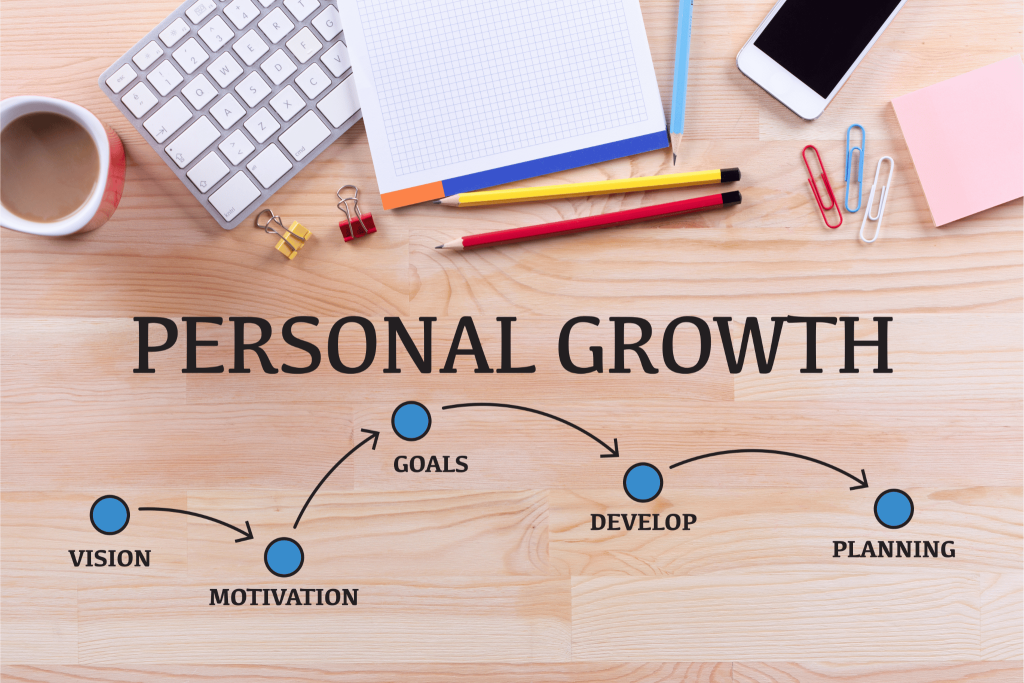
Harnessing Mindfulness for Personal Reflection
As we navigate through the complexities of daily life, it becomes increasingly vital to carve out moments of introspection. Mindful living serves as a powerful self-assessment tool, providing an opportunity to reflect on our priorities and values, especially in the realm of personal organization. By engaging in this reflective practice, we can gain insights that illuminate the choices we make and the lives we lead.
Clarifying Personal and Professional Priorities
One of the first steps in utilizing mindfulness as a self-assessment tool is to clarify what we deem essential in both our personal and professional realms. This can often become obscured amidst the clamor of obligations and distractions. Mindfulness encourages us to create a clear distinction between what is truly important and what merely occupies our time. To facilitate this, consider the following practices:
- Daily Check-Ins: Taking a few moments each day to evaluate how you feel about your current tasks can reveal much about your priorities. Are you engaged in work that enhances your well-being, or are you lingering on tasks that drain your energy?
- Goal Setting Sessions: Regularly revisiting and setting personal and professional goals can sharpen your focus. Mapping out your objectives can highlight any disconnect between your daily actions and your longer-term aspirations.
- Gratitude Journaling: Keeping a journal where you consistently note what you are grateful for helps point out what sustains you and brings joy. Recognizing these elements can guide your efforts in personal organization and task prioritization.
Reassessing Productivity: Quality Over Quantity
In a society heavily influenced by productivity metrics, quality often takes a back seat to the volume of work completed. By embracing mindfulness, you can shift your perspective to prioritize meaningful engagement over the mere completion of tasks. This involves:
- Assessment of Engagement: Ask yourself if the projects you are involved in align with your values. Engaging in work that resonates with you not only enhances your satisfaction but also boosts your overall productivity.
- Mindful Breaks: Implementing short, intentional breaks throughout your day allows for mental resets, facilitating clearer thinking and helping you return to tasks with renewed vigor and perspective.
- Reflection on Time Investment: Analyze how you allocate your time. Are you investing it in activities that foster personal growth and align with your values, or are you merely ticking off boxes on a to-do list?
Shaping your life through the lens of mindfulness holds the potential for a profound transformation. As you become more attuned to your inner voice and the values that guide you, you can cultivate a life that is not only organized but also deeply fulfilling. Mindful living, when approached with intention, can lead to a reorganization of both physical and mental spaces, allowing for an environment where authenticity thrives.
| Advantage | Description |
|---|---|
| Clarity of Values | Mindful living empowers individuals to identify and articulate their core values, leading to meaningful personal organization practices. |
| Improved Decision-Making | By reflecting on priorities, individuals can make informed choices that align with their aspirations, ultimately enhancing their quality of life. |
Continuing the discourse on “Mindful Living as a Self-Assessment Tool,” it becomes evident that the practice illuminates our core convictions. By engaging in self-reflection, we can unveil the intricacies of our beliefs and preferences. Such clarity is not merely therapeutic; it serves as the bedrock for proficiently organizing our personal lives. In practice, the process of identifying values leads to a more coherent life framework. When individuals embrace mindfulness, they not only discover what matters most to them but are also equipped to prioritize their engagements and commitments. This proactive approach influences not just personal organization but engenders a profound sense of satisfaction and purpose.Moreover, with improved decision-making processes, mindful practices encourage individuals to sift through a plethora of choices more effectively. This discernment minimizes overwhelm, fostering an environment where actions resonate with one’s values. As the path to an organized life unfolds through a conscious alignment of personal priorities, the journey of mindful living becomes a compelling exploration worthy of further investigation.
DIVE DEEPER: Click here to discover the art of decluttering
Transforming Habits Through Mindfulness
With a clearer understanding of our priorities, the next step in applying mindful living as a self-assessment tool involves transforming our daily habits into ones that align with our authentic selves. The repetitive nature of habits can often create a comfortable autopilot, but this comfort may prevent us from engaging in a fulfilling existence. By intentionally focusing on our habits through a mindful lens, we can create changes that resonate deeply with our values.
Mindful Habit Formation
Establishing habits that genuinely reflect our priorities entails a thoughtful approach. Instead of imposing drastic changes that can lead to burnout, integrating small, manageable shifts can pave the way for substantial transformations. Consider these strategies:
- Start with Small Changes: Introduce micro-habits—tiny, actionable steps that can easily fit into your daily routine. For example, if improving physical health is a priority, aim to take a five-minute walk daily rather than committing to hour-long workouts right away. This gradual approach often yields more sustainable results.
- Mindfulness Cues: Use physical reminders to prompt mindful behaviors. Setting an alarm for short mindfulness sessions throughout the day can serve as a cue to pause, breathe, and reflect on your current state, enabling you to redirect your focus on what is essential.
- Accountability and Support: Engage a friend or join a community that shares your goals. Sharing your journey with others can provide motivation and reinforce connections that make your pursuits enjoyable and aligned with your values.
Incorporating Mindfulness into Decision-Making
Decision-making often feels overwhelming, especially when faced with conflicting priorities. Mindful practices can help streamline this process, allowing for clearer, value-driven choices. To incorporate mindfulness into decision-making, employ the following techniques:
- Pause and Reflect: Before making a decision, take a moment to breathe deeply and center yourself. This practice can help anchor your thoughts and provide clarity about how the potential decision aligns with your values.
- Visualization Techniques: Envision the possible outcomes of your decision. Ask yourself how each choice aligns with your core values and long-term goals. Visualization can serve as a powerful tool to solidify the impact of your decisions.
- Seek Feedback: Sometimes it can be difficult to assess our decisions objectively. Consult with trusted peers or mentors who can provide an outside perspective. Their insights can shed light on factors you might overlook.
By embedding mindfulness into habit formation and decision-making, individuals can foster a deeper connection with their priorities and values. This ongoing process enables personal organization to become not just a framework for productivity, but a pathway toward a life that is infused with intention and authenticity.
Real-World Applications of Mindfulness
Organizations and communities are beginning to recognize the benefits of mindful practices in enhancing overall well-being and productivity. Many companies in the United States are implementing mindfulness programs to improve employee engagement and satisfaction. Such initiatives demonstrate that a commitment to mindfulness has tangible benefits both individually and organizationally. For instance, Google’s “Search Inside Yourself” program has gained notable attention, promoting emotional intelligence in the workplace through mindfulness training. This blend of personal and professional application underscores how mindful living can resonate across various aspects of life, creating a harmonious balance between organizational effectiveness and personal values.
Adopting a mindful approach to personal organization and decision-making has the capacity to profoundly influence not just individual lives, but also the culture within our workplaces and communities. As we continue exploring and embracing mindfulness, we gain the ability to navigate our lives with resilience and intention, defining success on our own terms.
DISCOVER MORE: Click here to enhance your productivity
Conclusion: Embracing Mindful Living for Authentic Personal Organization
In a world inundated with distractions and competing demands, mindful living emerges as a powerful self-assessment tool that encourages us to reflect deeply on our priorities and values. By intentionally cultivating mindfulness, individuals can extricate themselves from automatic behaviors and align their personal organization strategies with what genuinely matters to them.
The journey of mindful living invites us to adopt a reflective approach toward our daily choices and habits. This ongoing process encourages the establishment of meaningful routines that resonate with our core beliefs, ultimately leading to a more fulfilling life. Implementing small changes and employing mindfulness cues not only enhance our daily experiences but also nurture resilience amid the challenges life presents.
As organizations across the United States embrace mindfulness initiatives, we can see that this practice transcends personal benefits, impacting workplace culture and overall productivity. By fostering an environment that prioritizes well-being and self-reflection, we pave the way for a society that values authenticity and connection.
Ultimately, the true essence of mindful living lies in its ability to empower us. It enables individuals to discern their unique values, construct intentional pathways toward their personal and professional aspirations, and lead lives defined by authenticity and purpose. As we embark on this journey, we encourage readers to explore the depths of mindful living as a transformative approach to personal organization—one that resonates far beyond the individual, shaping communities and cultures for the better.