Mindful Living and the Impact of Mental Disorder: How Spatial Organization Can Calm the Mind
The Role of Environment in Enhancing Mental Well-Being
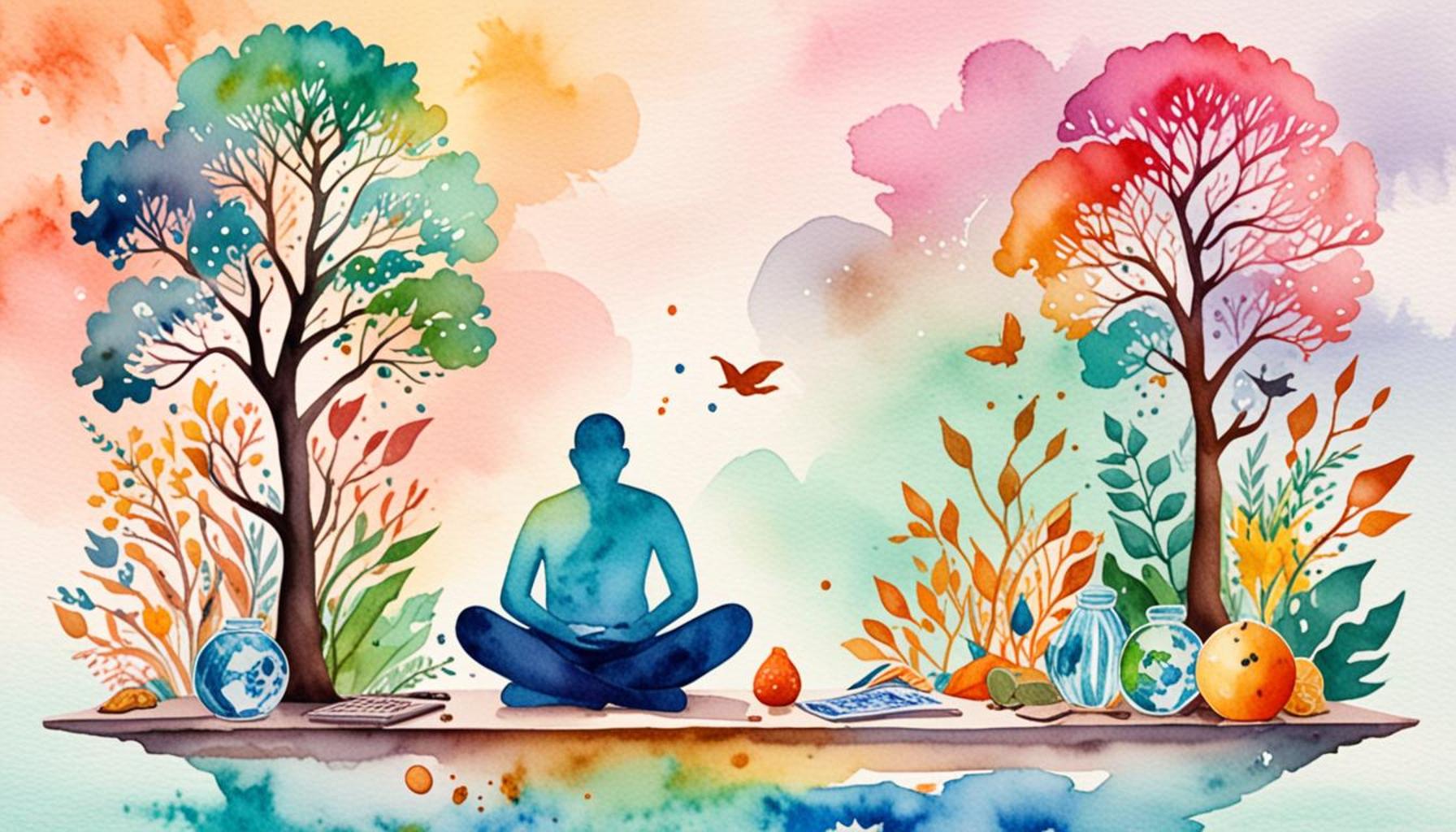
In the quest for mental wellness, the significance of mindful living and spatial organization cannot be overstated. The rise in mental health issues such as anxiety and depression, which affect millions of Americans, has prompted a closer examination of our surroundings and their impact on psychological well-being. Creating environments that nurture serenity and focus can play an invaluable role in managing one’s mental health.
Clutter Reduction: A Path to Peace
One of the most immediate ways to foster a calm mind is through clutter reduction. Numerous studies show that a clean, organized space can significantly lower anxiety levels. For example, a survey conducted by the National Association of Professional Organizers revealed that 82% of respondents felt less stressed when their homes were organized. This is largely because clutter can overwhelm the senses and create feelings of chaos and distraction, which can exacerbate anxiety and make it challenging to concentrate. By actively decluttering, individuals can reclaim their spaces, leading to a renewed sense of control and tranquility.
The Impact of Color Psychology
The colors that surround us also play a pivotal role in influencing our emotions. Color psychology examines how different hues can evoke specific feelings and moods. For instance, blue tones are often associated with calmness and stability, making them popular choices for bedrooms and meditation spaces. Conversely, bright colors like yellow can stimulate feelings of happiness and energy. Understanding how color impacts our emotional state can help individuals select palettes that align with their mental health goals, fostering environments that are conducive to peace and positivity.
The Benefits of Natural Light
Another important aspect of spatial organization involves access to natural light. Research indicates that exposure to sunlight can enhance mood and increase productivity. In fact, a study published in the Journal of Affective Disorders found that participants who had more exposure to natural light exhibited lower levels of depression symptoms. Strategies such as rearranging furniture to bring more light into a space, or using sheer curtains, can maximize this effect, making living areas feel warmer, more inviting, and ultimately more healing.
Intentional Spatial Arrangement for Enhanced Mental Health
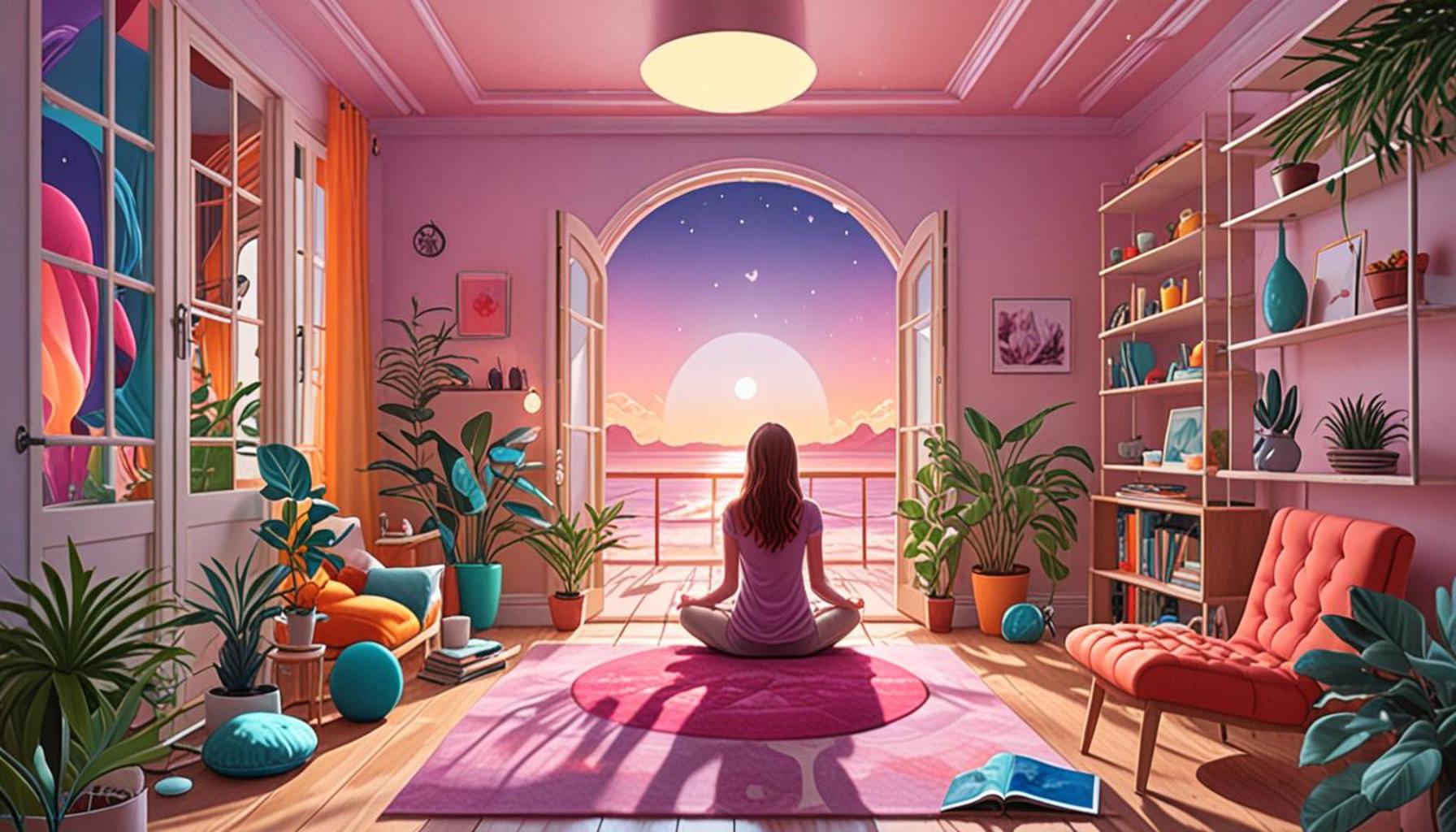
Creating living spaces with intention not only enhances aesthetic appeal but also promotes mental well-being. By embracing a mindset of mindful living, individuals can design environments that cater to their emotional and psychological needs. Elements such as incorporating plants, utilizing calming scents, and ensuring comfortable seating can provide significant relief from stress, supporting healthy coping mechanisms when facing mental health challenges.

In conclusion, the relationship between mindful living and mental health reveals transformative opportunities for personal growth and healing. By harnessing the benefits of environmental factors, individuals can significantly improve their overall mental fitness. This exploration invites further investigation into how our surroundings can nurture well-being, offering a pathway to recovery for many.
DISCOVER MORE: Click here to enhance your daily efficiency
The Connection Between Outdoor Spaces and Mental Clarity
In addition to the interior environment, the relationship between outdoor spaces and mental health is equally significant. Access to nature has been shown to have profound therapeutic benefits, especially for those grappling with mental disorders. Time spent in green spaces can reduce symptoms of anxiety, depression, and even ADHD. A report from the National Academy of Sciences indicates that individuals who engage in regular nature walks exhibit lower levels of the stress hormone cortisol. Such interactions with the outdoors foster not only emotional balance but also cognitive clarity.
Nature’s Role in Mindful Living
The practice of mindful living encourages individuals to engage fully with their surroundings, and nature presents a perfect canvas for this engagement. The simple act of stepping outside can serve as a reset for the mind, providing essential breaks from the frenetic pace of daily life. Here are some key advantages of incorporating nature into a mindful living routine:
- Increased Focus: Natural settings can enhance concentration, making it easier to focus on tasks and reduce the overwhelming feelings often associated with mental health disorders.
- Emotional Resilience: Exposure to nature can foster a sense of strength and resilience, providing a buffer against stress and enhancing overall emotional well-being.
- Social Connections: Outdoor activities can encourage social interactions, which are crucial for mental health. Joining community gardening projects or local hiking groups can reduce feelings of isolation, a common challenge for those experiencing mental health issues.
Cultivating a Personal Outdoor Oasis
Creating a personal outdoor oasis is a practical step towards enhancing mental well-being. Whether it’s a small balcony garden or a backyard retreat, the impact can be remarkable. Here are some suggestions for crafting an outdoor space that fosters serenity:
- Incorporate Plants: Introducing greenery not only beautifies an area but also improves air quality and promotes feelings of calm.
- Comfortable Seating: Investing in comfortable outdoor furniture invites relaxation, encouraging individuals to spend more time enjoying their surroundings.
- Mindful Activities: Integrating activities such as yoga, meditation, or journaling outside can enhance the therapeutic benefits derived from outdoor spaces.
As we navigate the complex journey of mental health, mindful living in environments both indoors and outdoors can serve as an anchor for grounding ourselves. The mindful arrangement of one’s surroundings has the potential to unleash a cascade of positive effects on mental clarity and emotional stability, creating an atmosphere that nurtures healing and resilience. This exploration of our spatial organization sheds light on the ultimate goal of achieving mental wellness through mindful environments.
| Category | Description |
|---|---|
| Spatial Organization | Enhances mindfulness and focus, reducing feelings of anxiety. |
| Decluttering | Promotes a peaceful environment, fostering emotional well-being. |
| Aesthetic Arrangement | Creates a visually pleasing space that stimulates positive emotions. |
| Organizational Strategies | Utilizes effective methods to maintain mental clarity and productivity. |
When examining the relationship between spatial organization and mental health, it becomes clear that the arrangement of our surroundings can profoundly influence our psychological state. A well-organized space not only facilitates ease of movement and reduces chaos, it also promotes a sense of control over one’s environment, which can be particularly beneficial for individuals navigating mental disorders. Engaging in activities such as decluttering can significantly enhance one’s emotional well-being, creating an atmosphere conducive to relaxation and mindfulness.Moreover, the aesthetic arrangement of items within a space nurtures positive emotions and harmonizes the living environment, impacting overall mental health favorably. By incorporating organizational strategies, such as designated areas for different activities, individuals can achieve a heightened sense of mental clarity and productivity. Exploring the impact of these practices can lead to improved well-being, encouraging readers to delve deeper into the realm of mindful living and organization.
DISCOVER MORE: Click here to enhance your daily efficiency
The Importance of Indoor Spaces in Mindful Living
While outdoor environments significantly contribute to mental health, the organization of indoor spaces is equally vital to the practice of mindful living. Our indoor surroundings influence our emotional state, productivity, and overall well-being. In fact, cluttered and chaotic spaces can exacerbate feelings of stress and anxiety, particularly for those struggling with mental disorders. Research from the University of California, Los Angeles (UCLA) shows that individuals who maintain organized spaces report higher levels of happiness and lower levels of stress.
Decluttering as a Pathway to Mental Clarity
The act of decluttering can serve as a powerful method to enhance mental clarity, especially within the context of mindful living. A clean, minimalistic space encourages focus, creativity, and emotional balance. Below are some impactful strategies for decluttering that can aid in mental wellness:
- One-In-One-Out Rule: For every new item brought into the home, one item should be removed. This helps maintain a balanced and organized environment that is conducive to calm.
- Designated Spaces: Establishing specific areas for belongings—such as workspaces, relaxation zones, and hobby corners—creates an organized flow that enhances productivity while promoting peace.
- Regular Check-ins: Making it a habit to assess and reorganize spaces monthly can prevent build-up and foster a continual sense of control and tranquility.
The Role of Lighting in Spatial Organization
In addition to decluttering, lighting plays a crucial role in creating wellness-oriented indoor environments. Natural light is known to have a direct effect on mood and cognitive function; research published by the American Psychological Association demonstrates that exposure to natural sunlight can elevate serotonin levels, which combat feelings of depression. Here are some ways to maximize lighting for mental health:
- Utilize Windows: Allow as much natural light in as possible by opting for sheer curtains that diffuse light rather than block it. This not only brightens a space but also improves the overall atmosphere.
- Task Lighting: Adding adjustable task lighting in areas designated for work or studying can improve concentration while making the environment more inviting.
- Soft Fixtures: Incorporating warmer light sources, such as yellow or orange bulbs, can create a more relaxed atmosphere, reducing anxiety and creating a sanctuary-like environment.
Personalized Decor as a Reflection of Mindfulness
Another element of mindful living is the customization of decor to reflect personal values and foster positive energy. This can result in improved mood and well-being, particularly for individuals facing mental health challenges. Here are ways to personalize interior spaces for optimal mental health benefits:
- Incorporate Personal Mementos: Displaying photographs, artwork, or trinkets that inspire joy can create a supportive environment that triggers happy memories and thoughts.
- Choose Calming Colors: Understanding the psychological impact of color can help in selecting hues that enhance tranquility. Soft blues, greens, and earth tones have been shown to induce calm.
- Artistic Expressions: Engaging in creative DIY projects can make a space feel uniquely yours. Creating murals or crafting decor items can serve as a therapeutic outlet as well.
Through attentive indoor spatial organization, individuals can establish sanctuaries that not only support mindful living but also help in mitigating the impacts of mental disorders. This journey towards emotional wellness emphasizes the profound connection between organized spaces and mental clarity, showcasing that a mindful approach to our environments can pave the way for healing and stability.
DISCOVER MORE: Click here to uncover tips for minimalist living
Conclusion: Cultivating Calm through Spatial Awareness
In an ever-evolving world filled with constant distractions and demands, the principles of mindful living offer a sanctuary for mental clarity and emotional resilience. This article underscores the significance of spatial organization in enhancing one’s mental well-being, particularly for those grappling with mental disorders. The act of decluttering transforms chaotic environments into peaceful havens that promote calm, creativity, and focus. Simple techniques such as the One-In-One-Out Rule and creating designated spaces can serve as practical tools for cultivating tranquility.
Moreover, proper lighting and personalized decor significantly enhance indoor environments, reaffirming the notion that every element in our surroundings plays a crucial role in shaping our mental states. Research and evidence suggest that when individuals engage thoughtfully with their spaces by prioritizing natural light and incorporating personal mementos, they foster a sense of belonging and security that can alleviate anxiety and depression.
As we continue to navigate the complexities of life, understanding the intimate relationship between our environments and mental health becomes imperative. By embracing mindful living through effective spatial organization, we can create not just beautiful spaces, but nurturing sanctuaries for our minds. This holistic approach encourages us to take charge of our surroundings, promoting healing and stability in the midst of life’s uncertainties. Ultimately, the journey towards mental wellness begins within the spaces we inhabit, inviting us to reflect, reorganize, and restore peace.