Menu

The Psychology of Space: How Optimized Areas Influence Productivity and Well-Being

Our physical environments significantly impact our productivity and mental well-being. Key factors like lighting, color, organization, and nature integration can enhance focus and reduce stress. By thoughtfully designing spaces, individuals and organizations can create supportive settings that foster creativity, collaboration, and overall life satisfaction.

How prioritizing essential tasks can optimize efficiency in a minimalist lifestyle

In a world filled with distractions, prioritizing essential tasks within a minimalist lifestyle enhances efficiency and productivity. By focusing on what truly matters, individuals can streamline their routines, reduce stress, and foster deeper engagement with their core values and goals, leading to a more fulfilling life.

How the Pomodoro Technique Can Be Adapted to a Minimalist Lifestyle to Maximize Efficiency

The Pomodoro Technique enhances productivity by using focused work intervals paired with mindful breaks, perfectly aligning with a minimalist lifestyle. By decluttering tasks and prioritizing essentials, individuals can maximize efficiency while fostering well-being, clarity, and creativity, ultimately leading to a more fulfilling daily routine.

Color and Minimalism: How to Use Color Psychology for Space Optimization

Explore how the strategic use of color enhances minimalist design, emphasizing the connection between color psychology and space optimization. Discover how different hues influence mood and functionality, transforming environments into serene, productive spaces while maintaining simplicity and clarity essential to minimalism.

Sound and Space: Creating Acoustically Optimized Minimalist Environments

Discover how acoustically optimized minimalist environments foster tranquility and enhance productivity through thoughtful design. By selecting natural materials, utilizing sound-absorbing furnishings, and strategically planning layouts, these spaces create a harmonious soundscape. Embrace innovative technologies and community awareness to improve well-being and redefine our auditory experiences.

Functional Furniture: Designing Multi-Use Spaces for a Minimalist Lifestyle

Discover how functional furniture is revolutionizing minimalist living through space-saving designs and multi-purpose functionality. By integrating stylish, adaptable pieces made from sustainable materials, individuals can maximize small spaces while embracing a clutter-free lifestyle. This trend redefines modern living, enhancing both efficiency and eco-consciousness in home design.

Vertical Living: Utilizing Wall Space for Optimal Organization in Minimalist Homes

Embrace vertical living to optimize wall space in your minimalist home, enhancing organization and style. Creative storage solutions, like floating shelves and wall-mounted gardens, not only maximize functionality but also elevate aesthetics. Rethink your space to create a harmonious blend of practicality and personal expression.

Innovative Minimalist Design: Creating Open Spaces with Less Furniture

Innovative minimalist design prioritizes open spaces and intentional furniture choices to enhance tranquility and functionality. By focusing on natural light, multi-functional pieces, and cohesive color schemes, homeowners can create inviting environments that promote mental clarity and well-being, transforming their living spaces into serene sanctuaries.

Mobile Minimalism: Strategies for Organizing Space in a Tiny Home or RV

Explore the essence of mobile minimalism and discover effective strategies for organizing space in tiny homes and RVs. Learn to maximize functionality with multi-functional furniture, vertical storage, and decluttering techniques, transforming limited areas into harmonious living environments that reflect your lifestyle while enhancing comfort and simplicity.

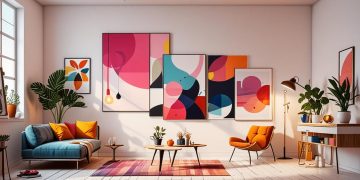
Artistic Minimalism: Utilizing Art and Decor Sparingly for Enhanced Space Optimization

Artistic minimalism emphasizes the selective use of art and decor to optimize space and promote tranquility. By prioritizing quality and functionality, individuals can create serene environments that enhance well-being. This approach encourages meaningful interactions with art, fostering a deeper connection to our surroundings while minimizing clutter.