
Family Decluttering Strategies Engage Everyone in Home Organization
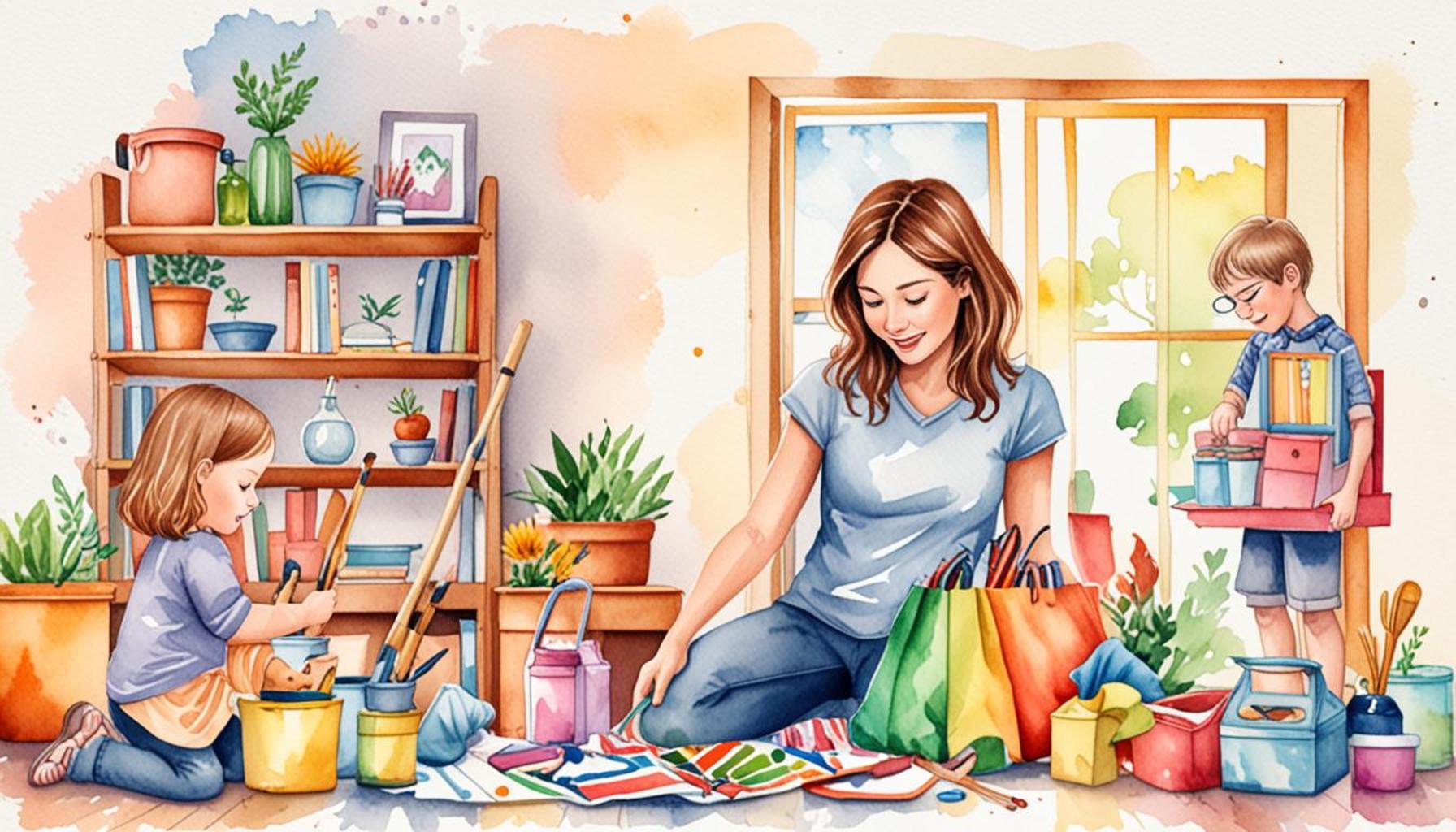
In an era where **minimalism** is gaining traction, many families are realizing the benefits of an organized home. **Decluttering** not only creates a more serene environment but also fosters a sense of responsibility among family members. Engaging everyone in the process empowers them to contribute to a shared goal of organization and simplicity.
Implementing effective decluttering strategies can transform chaos into order through collaboration. Here are some compelling reasons why this approach is relevant:
- Enhanced Family Bonding: Working together on a common task strengthens relationships.
- Life Skills Development: Children learn valuable lessons in organization and responsibility.
- Reduced Stress: An organized home can significantly lessen daily stress and create a peaceful atmosphere.
To help families embark on this journey, we will explore the **Top 5 strategies** that can involve everyone in the decluttering process. Dive deeper to discover how simple changes can lead to profound improvements in your home life.
Top 5 Decluttering Strategies for Families: How to Engage Everyone in Home Organization
Maintaining an orderly home can be a daunting task, especially for families with varying interests, schedules, and levels of commitment. However, implementing effective decluttering strategies can transform not only your living environment but also how family members interact and collaborate. Here, we present the top five strategies to involve every family member in organizing your home, creating a more harmonious and functional space for everyone.
5. Create a Family Decluttering Calendar
One of the biggest challenges in a family home is coordinating schedules. A family decluttering calendar can act as the cornerstone of your organizational strategy, helping to bring clarity and coordination to the process. This calendar allows every member to see the designated decluttering days, ensuring everyone is aware and prepared for these activities.
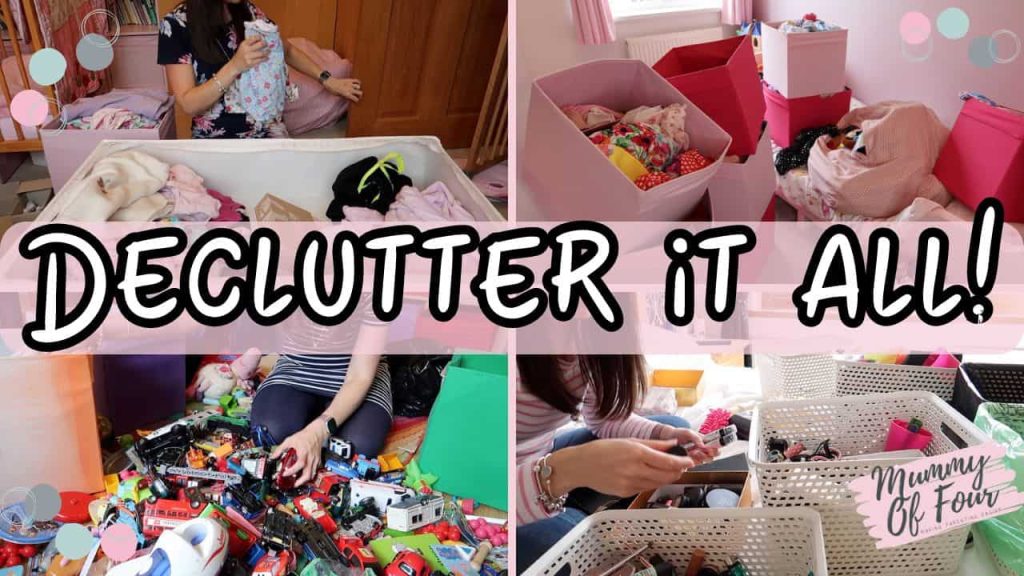
- Start with a monthly overview, designating specific days for different areas of the house.
- Assign roles or tasks to each family member to promote responsibility and accountability.
- Make it an enjoyable event by planning a special reward, such as a family movie night or pizza party, after a successful decluttering session.
This method fosters a sense of commitment and teamwork among family members. With everyone contributing towards a common goal, enthusiasm and cooperation can increase. Displaying the calendar in a common area like the kitchen or family room ensures it remains a visible reminder, continuously encouraging participation.
4. Involve Kids with Fun Challenges
Engaging children in the decluttering process can be tricky, as they may not naturally see the value in organizing their space. However, by turning it into a game, you can capture their attention and make the task exciting. Consider setting up challenges such as “The One-Minute Toss” where family members have to declutter as much as possible within a set time frame.
- Use colorful timers to enhance the sense of urgency and excitement.
- Offer rewards like stickers or small treats for reaching little milestones to keep motivation high.
- Encourage creativity by inviting kids to choose items they want to donate, involving them in altruistic activities.
This approach makes decluttering enjoyable for children and helps them understand the importance of letting go of unnecessary items. By encouraging a minimalist mindset from a young age, children learn valuable life skills related to organization, decision-making, and generosity.
3. Establish Sorting Stations Around the House
Setting up sorting stations throughout your home can streamline the decluttering process, turning what could be an overwhelming task into a manageable one. Each family member can have designated stations with bins labeled ‘keep,’ ‘donate,’ and ‘discard.’ This method makes the process more approachable and organized.
- In the kids’ rooms, create colorful bins for their toys, clothes, and books to foster their involvement.
- In communal areas, place universal bins where everyone can contribute, making it a family affair.
- Encourage family members to revisit the stations regularly, so items don’t accumulate unchecked.
This strategy promotes continuous awareness of one’s possessions and encourages family members to routinely assess what they truly need. By integrating this habit into daily life, decluttering becomes a regular practice rather than a daunting, periodic project.
2. Host a Family Declutter Day with a Themed Lunch
One effective way to build anticipation for decluttering is to pair it with a fun family event. Consider organizing a family declutter day where the focus is not just on cleaning but also on bonding and enjoyment. This creates a positive atmosphere and reduces resistance to decluttering activities.
- Set a specific day each month for this tradition, encouraging maximum involvement from each family member.
- Create a fun theme for your declutter day—such as “Spring Clean” or “Toy Takeover”—to maintain interest and participation.
- Include a themed lunch after the decluttering session to celebrate the hard work and success.
This approach strengthens family ties while forming positive associations with decluttering. When family members experience the benefits of a clean space coupled with cherished family time, they are more likely to approach future decluttering tasks positively.
1. Lead by Example with a Family Minimalism Mindset
The most powerful strategy for engaging a family in decluttering is for parents and guardians to adopt and demonstrate a minimalist mindset themselves. When adults practice what they preach, it sets a standard for children and other family members to follow, embodying the principles of minimalism holistically.
- Share your decluttering journey openly, including your challenges and triumphs, to create transparency.
- Involve the family in discussions about the benefits of minimalism, such as mental clarity, improved focus, and efficient space utilization.
- Showcase the positive changes in your life associated with reducing clutter, serving as inspiration and momentum for others to join in.
When family members witness the tangible benefits of a minimalist lifestyle—such as less stress, more time, and a clearer home—they are more likely to become motivated participants in the family’s decluttering efforts. A united family approach grounded in minimalism not only simplifies the decluttering process but also fosters stronger family bonds and understanding.
| Category | Details |
|---|---|
| Involvement of Family Members | Engaging every family member promotes a sense of ownership and responsibility towards the household’s organization. |
| Collaborative Decision-Making | Creating a system where all members contribute to decisions enhances cooperation and reduces resistance to decluttering. |
| Age-Appropriate Tasks | Assigning tasks suited to various ages ensures that everyone can contribute effectively, making the process smoother and more inclusive. |
| Creating a Decluttering Schedule | Establishing a consistent timeline for decluttering sessions fosters accountability and keeps the family organized in the long run. |
Involving every family member in the decluttering process is essential to achieve a harmonious living environment. When each individual contributes, they not only share the workload but also develop a deeper understanding of the importance of organization. This collaborative approach cultivates a culture of care towards the home and shared spaces.Emphasizing collaborative decision-making allows families to discuss what items genuinely matter to them. By permitting each member to express their opinions on what can be discarded or kept, the process turns into a shared journey rather than a chore. This method aids in destigmatizing decluttering and makes it feel like a collective mission.Age-appropriate tasks are crucial in ensuring that all family members, regardless of their age, feel included. Children can engage in simpler tasks such as sorting toys or organizing books, while older siblings might take on more complex responsibilities, like decluttering shared spaces. Establishing clear expectations based on capability not only empowers children but also eases the process for adults.Moreover, maintaining a regular schedule for decluttering, whether it’s weekly or monthly, sets a clear path for the family to follow. This kind of structure can significantly reduce chaos and keep clutter at bay. When families integrate decluttering into their routine, it becomes a part of their lifestyle, making it easier to maintain an organized home environment in the long term. The commitment to such a schedule ensures that the entire family is continuously working towards their organizing goals.
Frequently Asked Questions about Family Decluttering Strategies
How can we motivate children to participate in decluttering?
Getting children involved in decluttering can be a challenge, but it is not impossible. One approach is to transform the activity into a fun and engaging game. For instance, setting a timer to see how many items they can sort in ten minutes or organizing a scavenger hunt for misplaced items can make the process exciting. Additionally, explaining the benefits of a clutter-free space, such as having more room to play, can also be a powerful motivator for kids.
What if my partner is resistant to decluttering efforts?
Communication is key when it comes to involving a reluctant partner in decluttering. Start by discussing the shared goals of having a more organized and peaceful home environment. Focus on the positive outcomes, such as less stress and more time for activities you both enjoy. It may also help to compromise on certain areas of the house where each person is in charge of organizing, ensuring both of you feel in control and respected in the process.
Is it more effective to declutter room-by-room or category-by-category?
Both methods have their advantages, and the choice often depends on personal preference and the specific dynamics of your household. Decluttering room-by-room offers a sense of immediate accomplishment as each space becomes tidy, while category-by-category decluttering, popularized by Marie Kondo’s method, allows for a more thorough sorting process by dealing with all similar items at once. It’s crucial to adapt the strategy to what best suits your family’s needs and lifestyle.
How frequently should we schedule family decluttering sessions?
The frequency of decluttering sessions can vary based on individual circumstances and the size of the household. However, a good rule of thumb is to have a monthly mini-decluttering session to address areas that tend to accumulate clutter quickly. Larger decluttering projects might be scheduled seasonally or bi-annually, perhaps aligning with spring cleaning or holiday preparations, to ensure that the house remains organized throughout the year.
Conclusion: Embracing Minimalism as a Family
Decluttering has emerged as a pivotal strategy for families aiming to create a more organized and minimalistic home environment. Engaging every member of the household in this process not only lightens the physical load but also strengthens family bonds and fosters a shared sense of accomplishment. As discussed throughout this article, the key to successful decluttering lies in strategic planning and mutual collaboration.
Key Takeaways
- Set Clear Goals: Begin by clearly defining what decluttering means for your family and the transformational impact you wish to achieve.
- Assign Roles: Designate specific tasks to each family member, ensuring everyone feels involved and responsible for the collective effort.
- Create a Decluttering Schedule: By scheduling regular family decluttering sessions, the process becomes less overwhelming and more manageable over time.
- Focus on Communication: Open conversations about personal and shared spaces help to respect individual preferences while pursuing a communal vision of organization.
- Celebrate Achievements: Recognize and celebrate small victories to motivate continued participation and commitment from all family members.
The journey toward a clutter-free home not only simplifies the living space but also serves as a catalyst for a lifestyle grounded in intentionality and simplicity. Adopting these strategies can transform decluttering into an enjoyable, family-oriented activity, fostering a harmonious and productive living environment. For families embracing minimalism, this approach is not merely a one-time project but an ongoing commitment to personal organization and improved quality of life.