Innovative Minimalist Design: Creating Open Spaces with Less Furniture
Understanding Minimalism in Design
In a world characterized by constant activity and overwhelming choices, innovative minimalist design emerges as a refreshing antidote. This design philosophy revolves around the idea that less is indeed more, allowing individuals to reclaim their spaces and peace of mind. By stripping environments down to their most essential elements, minimalism creates not just a physical space but an emotional sanctuary as well.
Embracing minimalism fosters an atmosphere where clarity and calmness reign. This is particularly vital for homeowners in the United States, where busy lifestyles often lead to the accumulation of possessions and, consequently, stress. Minimalist designs can significantly contribute to enhancing one’s quality of life through carefully curated spaces that feel both inviting and liberating.
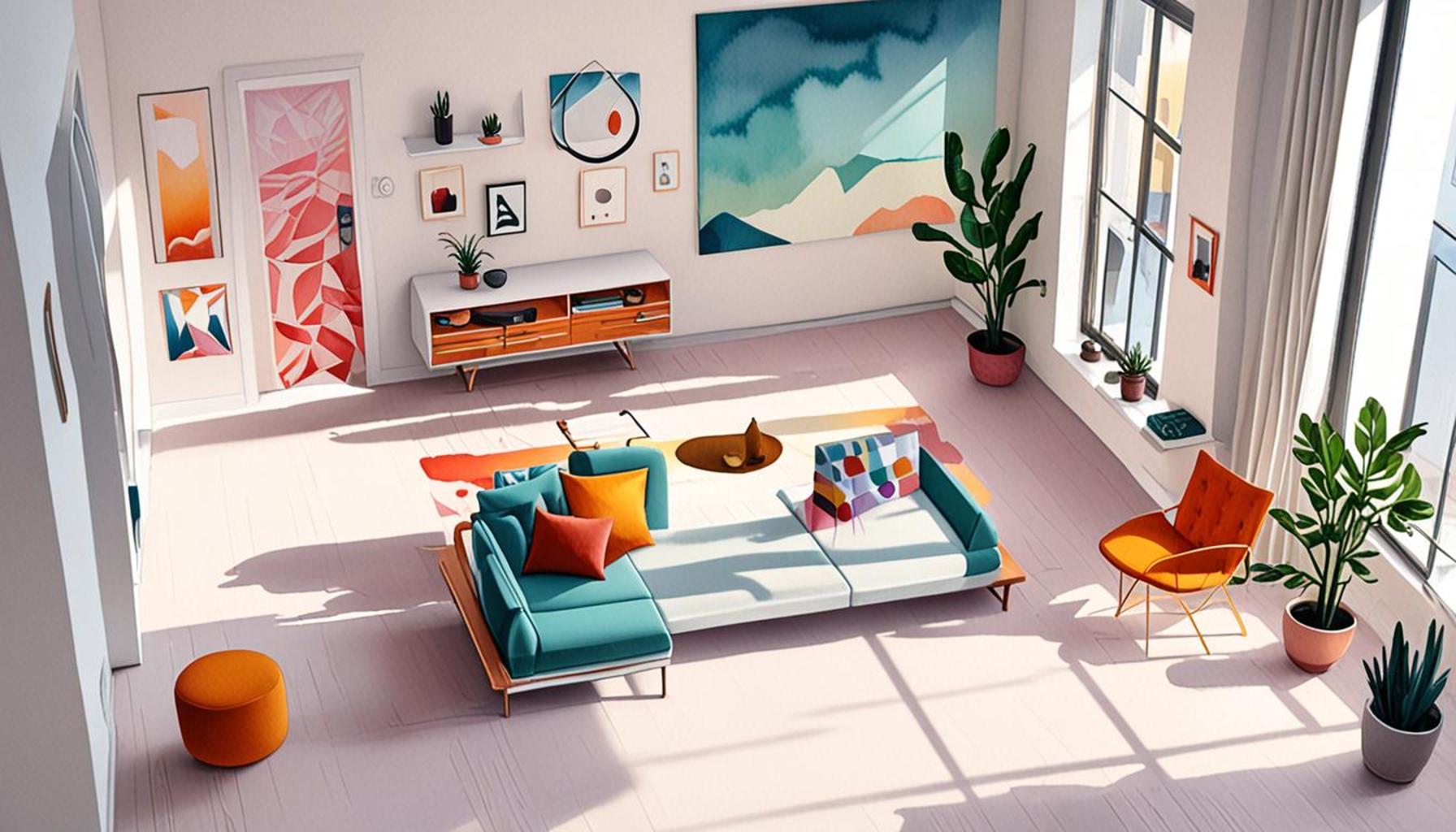
One key attribute of minimalist design is its focus on natural light. Large windows or open layouts not only make spaces feel more expansive but also connect the inhabitants to the outside world, creating a serene environment. For instance, an urban loft with floor-to-ceiling windows can flood the space with light, merging indoor and outdoor living. This element enhances both mood and functionality, proving that simplicity goes hand-in-hand with well-being.
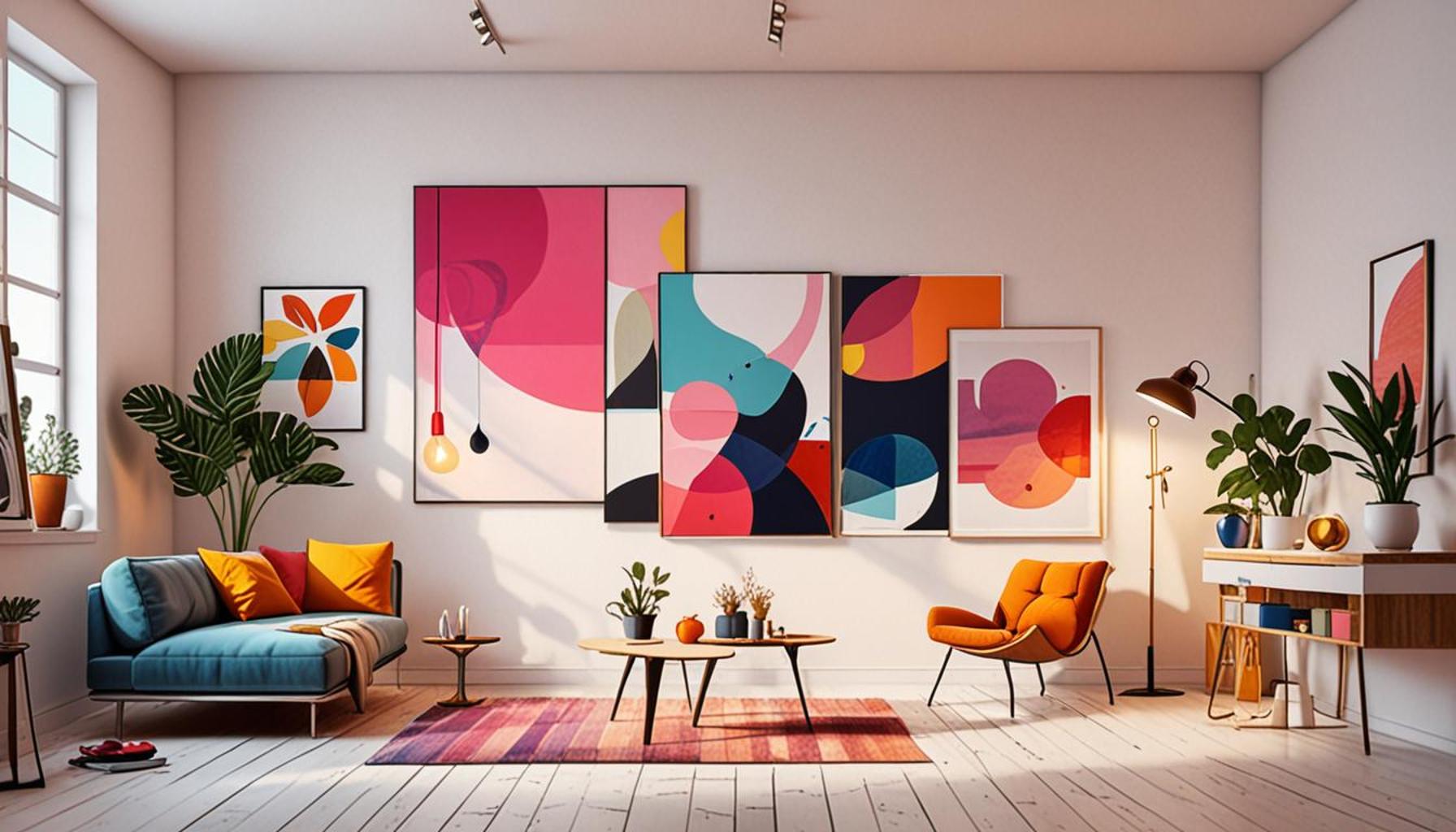
Neutral colors also play a critical role in minimalist aesthetics. By employing subdued palettes—such as soft whites, grays, and earthy tones—these designs promote calmness and serenity. A living room adorned with a beige sofa and muted blue accent pillows embraces a tranquil atmosphere that invites relaxation and contemplation. This aesthetically pleasing choice serves to reduce visual noise, contributing to the overall sense of peace.
Furthermore, the concept of multi-functional furniture is integral to minimalist design. Opting for pieces that serve multiple purposes, like a sofa bed or storage ottoman, helps maximize utility without sacrificing style. For example, a coffee table that doubles as a concealed storage unit preserves the clean lines of a room while providing practical solutions for decluttering. This dual functionality allows for a more organized living space, ideal for the fast-paced lifestyles seen across many American homes.
When considering how less furniture can create a sense of openness, it is imperative to think about open floor plans that connect living areas into one cohesive space. This design encourages social interaction and flexibility, allowing families to spend time together while maintaining the illusion of spaciousness. Additionally, strategically placed elements that guide the flow of the room are essential, minimizing disruptions and enhancing ease of movement throughout the space.
Eliminating clutter is equally important in establishing a serene atmosphere, transforming a chaotic home into a peaceful retreat. This involves not only reducing the number of objects in a space but also being intentional about what is included. Each item should not only serve a purpose but also resonate with the inhabitant’s personal style and values. This mindful approach to belongings can lead to a more fulfilling living experience.
In this exploration of minimalist design, we unveil how innovative approaches can transform environments, creating spaces that breathe and allowing inhabitants to thrive. The allure of minimalism lies not only in its aesthetic appeal but also in its potential to enhance one’s mental clarity and overall quality of life. As American homeowners increasingly seek balance amidst life’s chaos, the journey towards adopting minimalist principles presents endless possibilities for improvement in both personal spaces and broader living environments.
LEARN MORE: Click here to discover what truly matters
Maximizing Space through Strategic Design
The key to successful innovative minimalist design lies in maximizing the perception of space while minimizing the clutter of furniture. By opting for designs that prioritize open areas over excessive furnishings, it is possible to create homes that not only look spacious but also feel liberating. The intention is to cultivate an environment where homeowners can breathe freely and enjoy the tranquility that less can indeed offer.
To fully embrace this design philosophy, consider the following essential strategies to achieve open spaces with less furniture:
- Prioritizing Layout: An open floor plan allows for natural flow between rooms, creating visual expansiveness. Seek layouts that encourage movement between living, dining, and kitchen spaces. This integration cultivates a sense of togetherness while reducing the need for division and barriers such as bulky furniture arrangements.
- Vertical Space Utilization: One of the overlooked elements of minimalist design is the vertical space. By selecting tall shelving units or wall-mounted cabinets, homeowners can keep the floor space clear. This approach not only maximizes storage but also draws the eye upward, leading to a feeling of increased height and volume within the room.
- Furniture Consistency: Utilizing consistent furniture styles and colors can unify the overall aesthetic. Choose a limited palette or similar materials to create harmony in the space. For example, matching dining chairs and table in a light wood finish can ensure that the arrangement feels more cohesive, allowing other elements to stand out.
- Incorporating Natural Elements: Add natural textures and materials, such as wood or stone, to soften the overall look. Using natural elements can break the monotony of minimalist decor and bring the calming essence of nature indoors. A wooden bench or a stone accent wall can add both interest and warmth without overwhelming the senses.
Moreover, the magic of minimalist design extends beyond aesthetics; it encourages conscious living. Homeowners are prompted to evaluate their belongings critically. This evaluation does not merely lead to physical decluttering but often results in a deeper emotional clarity. When each piece of furniture is intentionally selected for its utility and aesthetic coherence, the environment transforms into a personal haven tailored to individual needs.
As the trend toward minimalism continues to gain traction, more homeowners across the United States are realizing the immense benefits of adopting this design approach. Not only does it provide a visually appealing space, but it also offers a respite from the chaos that often accompanies modern life. This continual shift towards simplified living indicates a growing desire for environments that foster well-being and peace.
Exploring innovative minimalist design propels us into a realm where open spaces enhance our quality of life. By making deliberate choices that embrace simplicity, residents can find renewed clarity and joy in their day-to-day experiences, ultimately leading to a more fulfilling lifestyle.
As we continue to explore the essence of innovative minimalist design, it is essential to understand how this approach not only revolutionizes interior spaces but also enhances our overall lifestyle. By adopting a less-is-more philosophy, homeowners can create environments that breathe and flourish.
One vital aspect of minimalist design is the emphasis on open spaces. Unlike traditional setups that may feel cluttered and chaotic, minimalism invites natural light and air, creating a more relaxed atmosphere. This style isn’t just about having fewer items; it’s creating thoughtfully curated spaces that serve specific purposes.
Additionally, functional furniture plays a central role in achieving a minimalist setting. Pieces that serve multiple functions—such as a coffee table that can transform into a dining surface—maximize utility while maintaining elegance. This flexibility can lead to significant cost savings as well, enabling homeowners to invest in quality over quantity.
Read on to discover how implementing these principles not only streamlines your living space but also enhances mental well-being, fostering a serene environment that promotes creativity and productivity.
| Category | Benefits |
|---|---|
| Open Spaces | Enhances natural light and encourages a sense of tranquility. |
| Functional Furniture | Maximizes utility while reducing clutter, promoting a cleaner aesthetic. |
Exploring these design nuances reveals how innovative minimalism can transform ordinary living spaces into extraordinary havens. Less truly can be more, as you will discover the profound impact this aesthetic can have on daily living.
DIVE DEEPER: Click here to discover how mindful living can transform your productivity</
Embracing Multi-Functionality in Design
One of the most celebrated principles of innovative minimalist design is the ability to incorporate multi-functional furniture that serves various purposes without cluttering the living space. This practical approach effectively capitalizes on limited square footage while still ensuring that the environment is comfortable and inviting. By integrating pieces that can adapt to different needs, homeowners can significantly enhance the usability of their open spaces.
For example, consider a coffee table that doubles as a storage unit. This not only provides an area for drinks and snacks but also keeps magazines and remote controls tucked away, maintaining the visual clarity of the space. Similarly, a sofa bed could transform a living area into a guest bedroom without the need for an extra room. Such innovative solutions allow homeowners to enjoy an expansive feel while ensuring all functional needs are met.
Furniture Selection: Quality Over Quantity
Another critical aspect of minimalist design focuses on quality over quantity. Instead of filling a space with numerous pieces, selecting fewer, high-quality items can create a more polished appearance. Investing in durable and timeless furniture ensures that each piece contributes meaningfully to the overall look and function of the home. For instance, a single, well-crafted dining table made of reclaimed wood can become a stunning focal point, allowing for an intimate dining experience while also reducing the number of necessary accompanying chairs.
Additionally, choosing furniture with sleek lines and a simple aesthetic can prevent visual clutter. Curated collections of artful decor items or statement pieces—such as a designer chair or sculptural lamp—can add character to a room without overwhelming it. These thoughtfully chosen elements become conversation starters while highlighting the beauty of simplicity.
Utilizing Light and Color Schemes
The impact of natural light and the right color palette cannot be overstated in the pursuit of open, airy spaces. When employing innovative minimalist design, consider utilizing large windows or skylights that invite sunlight into the home. Enhanced natural light opens up interiors, making them feel more expansive and welcoming. Furthermore, painting walls in soft, neutral colors like whites, creams, or light grays can reflect light and create an illusion of spaciousness, enhancing the minimalist ethos of simplicity.
On the contrary, bold accents sparingly placed can help draw the eye and add dimension to a space. For example, a vibrant accent wall or a few well-placed decorative cushions on a neutral couch can create a balance that enlivens the room without inducing chaos.
Indoor-Outdoor Connection
Bringing the outdoors in is another impactful strategy that aligns beautifully with minimalist design principles. Implementing large sliding or folding glass doors that lead to outdoor spaces can seamlessly merge the interiors with nature, expanding the perceived space. Outdoor living areas can be enhanced with minimal furniture like a simple seating arrangement or a compact dining table, effectively extending the natural flow between indoor and outdoor environments.
As individuals increasingly embrace the benefits of minimalist living, the focus on open spaces becomes synonymous with mental clarity and emotional well-being. Exploring the various facets of innovative minimalist design not only showcases its aesthetic appeal but also highlights its ability to transform our daily lives, encouraging a healthier lifestyle attuned to simplicity and functionality.
DISCOVER MORE: Click here for tips on building efficient habits
Conclusion: The Future of Living Through Minimalist Design
As we continue to navigate the complexities of modern life, the principles of innovative minimalist design urge us to rethink our living spaces. By embracing open spaces defined by intentional furniture choices, we cultivate environments that prioritize both functionality and serenity. The art of minimalist design emphasizes multi-purpose furniture, allowing us to maximize our square footage while minimizing clutter. This approach not only improves the usability of our homes but also leads to a more harmonious lifestyle.
Moreover, the focus on quality over quantity reminds us that each item possesses unique value. Selecting meticulously crafted furniture can elevate an ordinary space, transforming it into an artistic sanctuary. Paired with carefully chosen color palettes and the strategic use of natural light, minimalist design fosters a feeling of openness and tranquility, enhancing our mental well-being.
In addition, the seamless connection between indoors and outdoors fosters a holistic living experience, allowing nature to be part of our daily lives. As sustainability and wellness become more central to our values, it’s clear that innovative minimalist design serves a critical role in shaping the future of our homes.
As you explore these design principles, consider how they may be applied in your own living environments. Whether you are renovating your current space or starting anew, integrating minimalist ideals will undoubtedly lead to opportunities for creativity and personal expression, making our homes not just places to live, but also reflections of who we are.