Mindful Space Planning: Strategies for Creating Calm and Functional Environments
Creating Calm Through Thoughtful Design
In a fast-paced world, the importance of mindful space planning has never been more crucial. The way we curate our environments can significantly influence our mood, productivity, and overall well-being. As we navigate daily stressors, understanding how to transform our spaces can lead to a more balanced life. When we think about the spaces we inhabit—whether in our homes or workplaces—the impact of our choices is profound. The principles of design extend beyond aesthetics; they touch on the very essence of how we feel and function.
Consider the essential elements of a tranquil environment:
- Color Palette: Soft, neutral tones such as pale blues, greens, and warm whites can promote relaxation and reduce stress. For instance, research has shown that blue hues can lower heart rates and create a sense of tranquility, making them ideal for bedrooms or meditation spaces.
- Natural Elements: Incorporating plants, such as succulents or ferns, and organic materials like wood or stone fosters a connection to nature. Studies indicate that exposure to nature can lower cortisol levels, the stress hormone, enhancing mental health and improving focus.
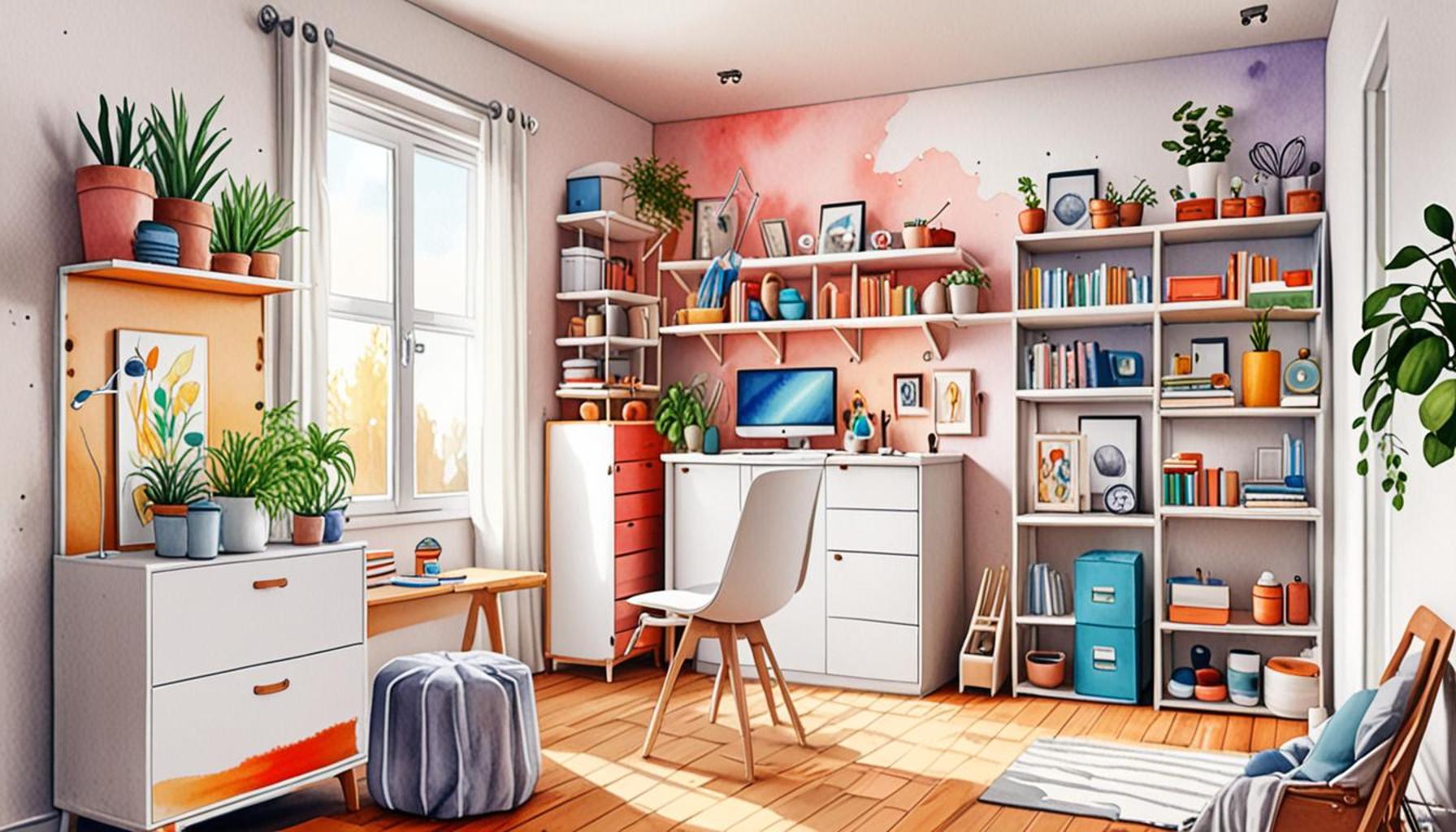
- Functional Layout: An efficient arrangement minimizes clutter and enhances movement. For example, a well-organized home office that separates work areas from relaxation zones can boost productivity while simultaneously providing a comforting retreat after work hours.
Adopting strategies for creating functional environments can redefine our personal and professional spaces. Identifying which areas feel chaotic can guide improvements. Here are a few practices to explore:
- Decluttering: Removing unnecessary items can create a sense of calm. Consider the “one in, one out” rule, where for every new item you bring in, an old one must go. This not only keeps spaces neat but also encourages thoughtful consumption.
- Zoning: Designating areas for specific activities can enhance focus. For instance, utilizing rugs or furniture placement to delineate a reading nook from a work area helps cultivate a more productive mindset.
- Lighting: Utilizing natural light can uplift your mood significantly. Open curtains during the day and consider adjustable lighting options for the evening, creating a warm, inviting atmosphere that adapts to your needs.
Furthermore, psychological studies support the idea that our environment profoundly influences our emotional state. For example, workplaces that embrace open, airy designs often report higher employee satisfaction and productivity. This holds relevance not just in corporate settings but also in our homes, where creating a soothing atmosphere can foster family bonding and relaxation. Whether you’re redesigning a home office or refreshing a living area, the principles of mindful space planning can lead to both peace and productivity.
Let’s delve into specific strategies that not only beautify but also serve a practical purpose in our daily lives, ensuring our spaces reflect the tranquility we seek and support our well-being in profound ways.
DISCOVER MORE: Click here to uncover tips on decluttering
Embracing the Art of Mindful Space Planning
As we explore mindful space planning, it becomes clear that our surroundings hold the key to fostering a peaceful mindset and enhancing productivity. Each element we introduce into our environments serves a purpose, influencing our emotions and behaviors in tangible ways. Understanding how to create spaces that encourage tranquility and efficiency can pave the way toward a more fulfilling life.
One of the foundational principles of mindful design is the concept of sensory balance. Engaging all five senses can create a more enriching experience within a space. For example, consider how certain scents can evoke memories or feelings. A room scented with lavender may promote calmness, while stimulating citrus scents might boost energy. This interplay between sensory stimuli can be a powerful tool in space planning, creating atmospheres that resonate with our desired state of mind.
An essential aspect of effective space planning is integrating multi-functionality. In today’s world, where seamless transitions between work and home life are a necessity, spaces that serve more than one purpose can help declutter our lives while enhancing our well-being. For instance, a living room can double as a home office with the incorporation of expandable furniture, such as a fold-out desk or a sofa bed. This not only optimizes the usability of the space but also maintains a modern aesthetic, crucial for a calm environment.
Another vital strategy is leveraging biophilic design. This concept focuses on the innate human connection to nature, which can significantly enhance our mental health when integrated into our homes or workplaces. Here are a few practical ways to incorporate biophilic elements into your space:
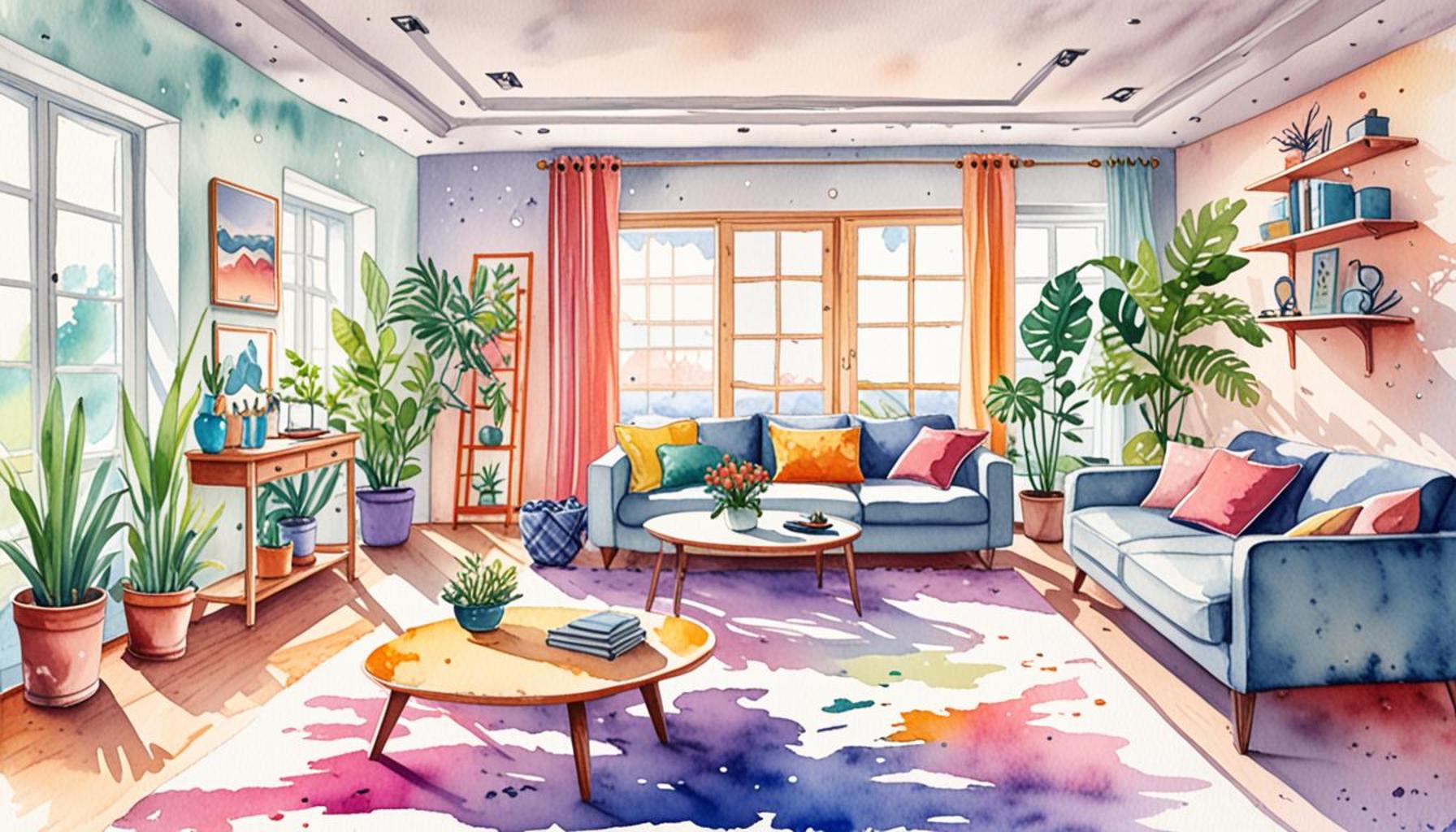
- Indoor Plants: Research suggests that having plants indoors can reduce stress and increase productivity. Consider low-maintenance options such as pothos or snake plants that thrive in various conditions.
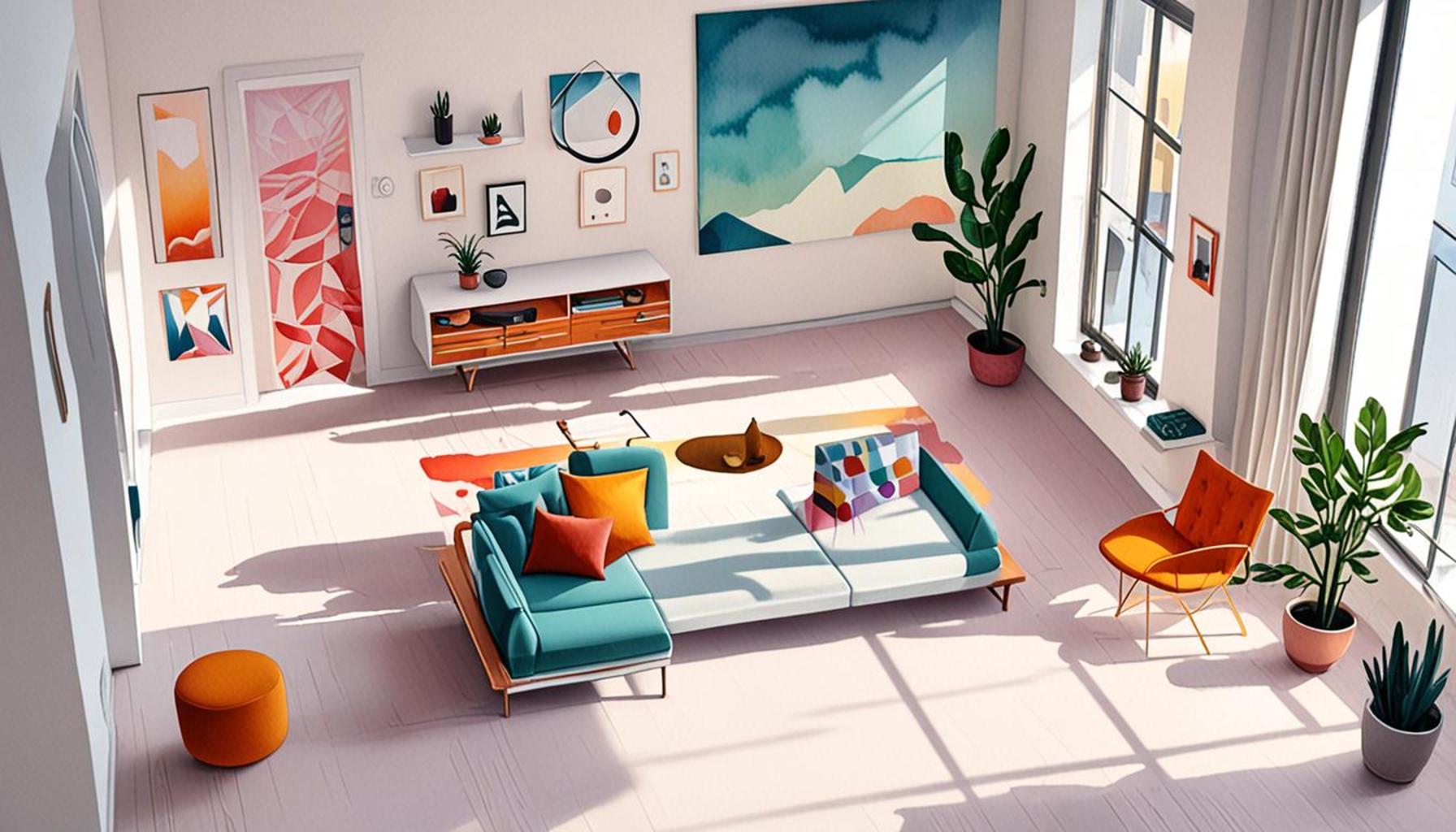
- Natural Light: The benefits of sunlight are numerous, from boosting vitamin D levels to improving mood. Consider ways to maximize natural light—think light-colored curtains or window placements that invite the sun in.
- Nature-Inspired Decor: Incorporate art or textiles that reflect organic shapes and colors. Artwork featuring natural landscapes or floral patterns can subtly remind us of the outdoors, enhancing our emotional state.
Moreover, optimizing acoustic elements is another crucial factor in mindful space planning. Noise pollution can be a significant source of stress, so selecting sound-absorbing materials for flooring and wall treatments can help create a serene environment. Acoustic panels, soft rugs, and curtains made from heavy fabric can dampen unwanted noise, allowing for a more peaceful ambiance.
Through these intentional design decisions, we are not just decorating spaces; we are crafting experiences that resonate deeply within us. By understanding the significance of each detail, we open ourselves up to discovering environments that not only promote functionality but also nurture tranquility—an essential balance in our fast-paced lives. In the next section, we will further explore how incorporating mindfulness practices can deepen our connection to these environments, ultimately leading to greater satisfaction in both personal and professional realms.
| Advantages of Mindful Space Planning | Benefits for Users |
|---|---|
| Enhanced Well-being | Promotes mental clarity and reduces stress levels. |
| Increased Productivity | Creates an environment conducive to focused work and creativity. |
Mindful space planning incorporates principles that prioritize both functionality and tranquility, ideal for fostering environments where individuals can thrive. By considering how spaces affect emotions and behaviors, this approach offers a myriad of advantages. One of the most prominent benefits is the creation of an environment that supports enhanced well-being. Spaces designed with mindfulness lead to improved mental clarity, reducing feelings of overwhelm, and therefore, encourages a sense of calm.Furthermore, mindful spaces often result in increased productivity. Thoughtful organization and design contribute to fewer distractions, allowing individuals to focus better on the tasks at hand, while fostering creative processes. The strategic placement of furniture, use of natural light, and incorporation of calming colors all act synergistically, crafting a harmonious space that speaks to the importance of our environments.The dialogue surrounding mindful space planning continues to evolve, and with it, more practices are emerging. From biophilic design—the integration of nature into built environments—to the utilization of multifunctional furniture, every strategy seeks to enhance user experience in meaningful ways. As awareness grows, diving deeper into how these strategies can be implemented practically offers exciting opportunities for both residential and professional settings, ensuring a connection between space and well-being is maintained.
DISCOVER MORE: Click here to enhance your productivity
Creating Flow with Zen Principles
A key aspect of mindful space planning lies in understanding and implementing principles of flow and movement. In communities across the United States, traditional design approaches emphasize these aspects through the lens of feng shui. This ancient Chinese practice artfully blends the concept of energy flow with spatial arrangement, promoting a harmonious environment. By applying similar principles, we can redefine how people engage with their surroundings. For instance, organizing furniture to facilitate smooth transitions and avoiding overcrowding can mitigate feelings of anxiety and create an inviting atmosphere.
Another crucial element is the use of color psychology in your spaces. Colors evoke specific feelings and can significantly influence our mental state. Calming hues like soft blues and greens are often used in bedrooms to foster relaxation, while brighter colors such as yellows and oranges can energize spaces like home offices and kitchens. When carefully selected, a color palette can reinforce the intended purpose of a room, helping residents feel more at ease or inspired based on their needs.
Furthermore, decluttering is essential in the pursuit of functional and calming environments. Clutter can lead to distractions and heightened stress levels, impeding our ability to function efficiently. Employing the minimalist philosophy—where less truly is more—can help in narrowing down possessions to essentials. A simple strategy for this is regularly assessing items to determine their value in your life. Keeping only what sparks joy not only eases visual clutter but also cultivates a sense of peace within our living spaces.
- Seasonal Clears: Taking the time to declutter every few months can keep your space in harmony with your life, allowing for evolution and renewal of energy.
- Smart Storage Solutions: Invest in furniture with built-in storage like ottomans or beds with drawers to keep frequently used spaces clear while maintaining functionality.
- Display Intentionality: Showcase objects that hold meaning to you, such as photographs or mementos, ensuring every visible item serves a purpose.
Moreover, incorporating areas designed for mindfulness practices can have profound effects on our mental health. Creating a corner in your home dedicated to relaxation and meditation can provide a moment of respite from the hustle and bustle of daily life. This could include comfortable seating, soft lighting, and sensory elements such as soothing sounds. More Americans are embracing practices like meditation and yoga, which can be significantly enhanced by an intentionally curated environment that promotes serenity.
The incorporation of technology into space planning has also opened the door to innovative practices aimed at creating calm and functional environments. Smart home devices can control lighting and soundscapes to suit different activities or mood changes throughout the day. For example, utilizing dimmable LED lights can help set the tone for a cozy evening or a productive workday. Additionally, smart thermostats can maintain comfortable temperatures, reducing distractions from discomfort.
Ultimately, mindful space planning fosters environments that support our lifestyles and help us cultivate a sense of peace. By understanding how to harmonize elements within our spaces—through intentional design choices, thoughtful color palettes, and decluttering strategies—we create sanctuaries that nurture our well-being. In the following sections, we will further examine how establishing regular mindfulness practices can enhance these carefully curated spaces, leading to optimal tranquility and functionality.
DIVE DEEPER: Click here to learn more
Conclusion: Cultivating Serene Spaces for Wellness and Efficiency
In our fast-paced world, mindful space planning emerges as a vital strategy for creating environments that are not only functional but also nurturing to our mental well-being. By integrating concepts such as energy flow, color psychology, and intentional decluttering, we can transform our homes into havens of tranquility. As we have explored, organizing spaces with purpose allows for smooth movement and interaction, greatly reducing anxiety and enhancing comfort.
Moreover, the thoughtful selection of colors can significantly influence our mood, while maintaining a clutter-free environment promotes clarity of thought and relaxation. This aligns with the minimalist philosophy that resonates with more individuals, urging us to embrace less as a pathway to more fulfillment. Creating dedicated areas for mindfulness practices can further enhance our mental landscapes, serving as sanctuaries for meditation and reflection amidst the noise of everyday life.
As technology evolves, it presents fresh opportunities for optimizing our spaces. Smart home solutions can fine-tune our environments, making it easier to establish a mood that suits our activities, whether that entails winding down with soft lighting or gearing up for a productive work session. Ultimately, the art of mindful space planning calls for deliberate attention to the elements that shape our lives.
In conclusion, investing time and effort into our spaces not only supports our well-being but also cultivates a harmonious lifestyle that reflects our values and aspirations. As we continue to adapt and define our living environments, let us do so with intention, ensuring that each choice contributes to a harmonious balance of serenity and functionality.