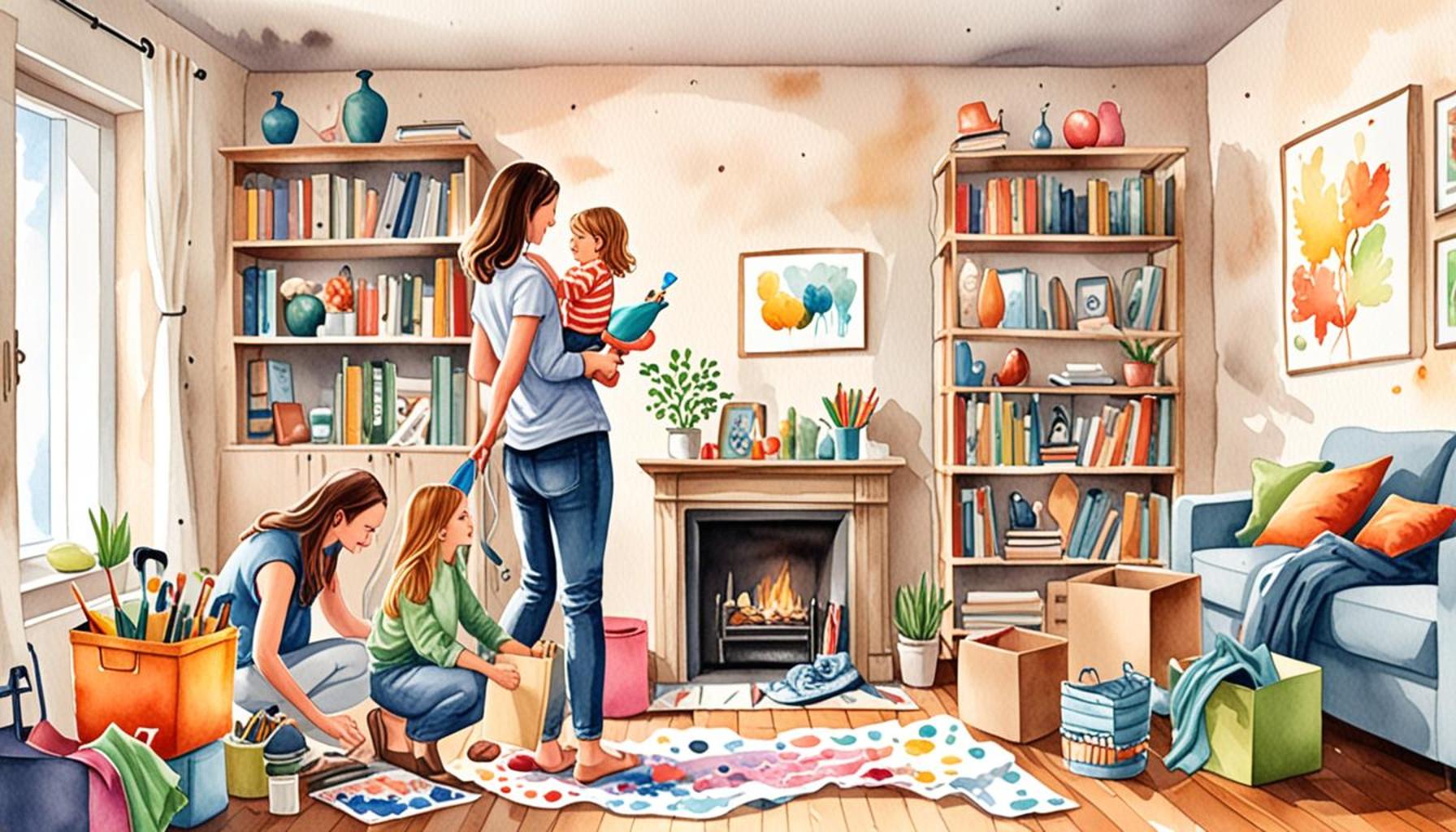
The Emotional Impact of Decluttering: Freeing Yourself from Material Weight

The Emotional Impact of Decluttering
In today’s fast-paced world, we often find ourselves surrounded by an overwhelming amount of possessions. The act of decluttering goes beyond physical spaces; it significantly influences our emotional well-being. Research shows that a cluttered environment can lead to feelings of stress, anxiety, and even depression. Numerous studies have highlighted a clear connection between our surroundings and our mental health, emphasizing that less clutter can lead to more tranquility and happiness.
Consider the following emotional effects that arise from clutter:
- Increased Stress: A chaotic environment can create a sense of urgency and tension. For example, walking into a messy living room may automatically heighten feelings of stress, as visual disarray can trigger our fight-or-flight response. This sense of overload can be exacerbated by the pressures of daily life, making it harder to relax and unwind.
- Reduced Productivity: Clutter makes it difficult to focus, hindering our ability to accomplish tasks. Studies have shown that individuals working in cluttered environments experience decreased productivity, as their minds are forced to sift through distractions instead of concentrating on their work. For instance, a cluttered desk filled with papers and knick-knacks can make it challenging to prioritize tasks effectively.
- Emotional Drain: Items tied to past experiences can evoke negative feelings, holding you back. This emotional baggage often stems from unfinished projects or memories associated with specific belongings. For example, an old dress may remind someone of a difficult relationship and create feelings of sadness each time it is seen.
When you embrace the process of letting go, the benefits can be transformative. Many individuals experience:
- A Sense of Control: Decluttering empowers you to make decisive choices about your environment. When you take ownership of your space, you reclaim your autonomy over your life. This newfound control can lead to improved self-esteem and a feeling of accomplishment.
- Enhanced Clarity: A tidy space leads to a clearer mind, supporting mental focus. Each time you declutter, you may notice an increase in your ability to think creatively or solve problems more efficiently. A study by the Princeton University Neuroscience Institute found that physical clutter competes for your attention, and eliminating it can lead to improved cognitive function.
- Emotional Release: Freeing yourself from unneeded items allows healing and personal growth. This release can take many forms; whether it’s donating clothes to charity or simply discarding broken items, letting go can feel cleansing. It frees you not only from objects but from the negative emotions that can accompany them.
In exploring the emotional impact of decluttering, we uncover a path towards personal liberation. This journey involves not just removing physical items, but also confronting emotional burdens and reclaiming your mental space. As people begin to embrace minimalistic lifestyles, they often report heightened creativity, freedom from material attachment, and improved mental clarity. Consider how the emotional weight of clutter may be affecting you, and take the first step towards a lighter, more fulfilling life.
DISCOVER MORE: Click here for smart organization tips
A Journey Towards Emotional Liberation
The act of decluttering transcends mere tidying up; it signifies the start of a profound emotional journey. As we navigate through our belongings, we often uncover not just the physical remnants of our lives, but also hidden emotions tied to each item. By facing these relics, we engage in an introspective process of sorting through memories, attachments, and even regrets. The emotional liberation that accompanies decluttering can lead to a refreshed sense of self, invigorated by the act of letting go.
One of the most remarkable aspects of decluttering is its ability to foster mindfulness. As individuals sift through their possessions, they are prompted to reflect on the significance of each item. This practice aligns with the principles of mindfulness, where focusing our attention on the present moment allows for greater awareness and acceptance of our feelings. For example, when one chooses to part with an old piece of furniture, it can spark a conversation with oneself about why it was originally kept and whether its value holds true today. This form of self-reflection can be both grounding and enlightening.
The emotional impact of decluttering is profound and multifaceted. Here are some key emotional benefits that often arise from this practice:
- Renewed Self-Identity: Reducing excess can help individuals redefine themselves apart from their possessions. As items are removed, a clearer identity can emerge that aligns more closely with current values, fostering a sense of purpose and direction.
- Simplified Decision-Making: A decluttered space leads to simplified choices. This reduction in sensory overload allows for quicker and clearer decision-making, which can ease the mental burden that often arises from indecision.
- Improved Relationships: Clutter can contribute to familial stress and conflict. By creating a more orderly environment, harmony may be restored within relationships, allowing for more meaningful interactions without the distractions of physical clutter.
Another compelling aspect of the decluttering process is the therapeutic benefits associated with the physical act of cleaning and organizing. Many people report feeling a sense of accomplishment and exhilaration after clearing out their spaces. This surge of positive emotions can act as a catalyst for additional emotional and lifestyle changes. The physical exertion combined with mental focus can result in enhanced mood and an invigorated spirit.
As we delve deeper into the emotional ramifications of living with less, it becomes apparent that decluttering holds the keys to unlocking personal freedom. Unpacking the emotional weight of accumulated belongings not only clears the physical space but also opens new doors for self-discovery and healing. This transformative process invites individuals to create a sanctuary that reflects their true selves and aligns with their aspirations, thus illuminating the path toward a more fulfilling and emotionally-balanced life.
| Category | Advantages |
|---|---|
| Mental Clarity | Decluttering can lead to reduced anxiety and stress, promoting a clearer mindset. |
| Emotional Freedom | Releasing physical items allows for an emotional release, freeing individuals from their past. |
| Enhanced Productivity | A tidy space leads to improved focus and efficiency in daily tasks. |
| Stronger Relationships | A decluttered home fosters improved connections and communication among family members. |
The emotional effects of decluttering are profound and significantly alter one’s daily experience. People often find that as they clear their physical space, they also create room for emotional growth. Feeling overwhelmed by material possessions can cloud judgment, and the act of decluttering can provide a refreshing perspective. For those struggling with attachment to material items, this process acts as a therapeutic release, helping individuals confront their past and embrace a lighter, more liberated lifestyle.Furthermore, as the spaces become clearer, individuals frequently report increases in productivity and focus, allowing them to tackle challenges with renewed vigor. This newfound clarity can lead to invigorated relationships as it encourages a cooperative environment in home and work settings. Each of these aspects intermingles, ultimately guiding individuals toward a fulfilling existence, free from the burdens of excessive belongings.
DISCOVER MORE: Click here for effective organization strategies
Emotional Resilience Through Minimalism
The act of decluttering goes beyond organizing our homes; it serves as a powerful practice that builds emotional resilience. In a world that often equates material possessions with personal worth, the conscious decision to let go can be revolutionary. When individuals choose to part with items that no longer serve their current life or needs, they reclaim agency over their environment and, by extension, their emotional well-being.
Investing time in decluttering allows for introspection, revealing patterns of behavior that might otherwise go unnoticed. For instance, someone may discover a tendency to hold onto items due to fear of loss or nostalgia. Addressing these underlying fears can lead to personal growth, as individuals confront the emotions tied to their belongings rather than letting those emotions dictate their choices. A significant statistic from the National Association of Professional Organizers suggests that 54% of Americans feel overwhelmed by the clutter in their homes, highlighting the need for a shift in mindset toward a simpler, more minimalist lifestyle.
Empowerment through Letting Go is another emotional facet of decluttering. By choosing to release items that no longer align with one’s life, a sense of empowerment emerges. This act of intentional detachment fosters confidence, enabling individuals to make more informed decisions in other areas of their lives. The author’s approach is evident in the popular minimalist philosophy advocated by figures like Marie Kondo, who emphasizes the importance of keeping only what “sparks joy.” This concept encourages not only physical decluttering but also a deeper personal connection to one’s environment and values.
Moreover, the correlation between physical spaces and emotional states cannot be overstated. Research indicates that living in clutter can increase levels of the stress hormone cortisol. Transforming a chaotic environment into a serene and inviting space has been shown to alleviate anxiety and promote relaxation. Creating a decluttered home can significantly bolster overall mental health, serving as a sanctuary where individuals can recharge and restore their emotional state.
- Enhanced Focus and Creativity: By decluttering, individuals report a newfound sense of focus and clarity. A clean, organized space minimizes distractions, allowing creativity to flow freely. Many artists and thinkers credit their best ideas to serene environments they have cultivated through simplicity.
- Connection to Community: Decluttering often includes donating items to local shelters or charity organizations. This altruistic aspect fosters a sense of community connection and purpose, amplifying the emotional rewards of the decluttering process.
- Legacy and Heritage: As individuals sort through belongings, they often encounter family heirlooms or gifts. Making conscious decisions about what to keep or pass on can lead to meaningful conversations and explorations of family history, enhancing emotional ties and shared values.
Ultimately, embracing a decluttering mindset can serve as a catalyst for transformational change. The emotional benefits gained from the freedom of living with less can permeate various aspects of life, from enhancing interpersonal relationships to fostering self-growth and personal development. As individuals uncover the power in letting go, they embark on a journey not merely toward order but toward a richer, more emotionally connected existence. This reconnection to self and surroundings ultimately lays a profound foundation for emotional well-being and resilience.
DIVE DEEPER: Click here to uncover effective strategies
Embrace the Journey to Emotional Freedom
In conclusion, the journey of decluttering represents much more than a mere physical space transformation; it is a profound emotional expedition toward freedom and well-being. By intentionally releasing material possessions that no longer serve us, we pave the way for deeper self-awareness and growth. This process not only alleviates the overwhelming burden of clutter but also cultivates emotional resilience, allowing us to confront and address the fears and attachments that weigh heavily on our spirits.
The act of letting go can ignite a sense of empowerment and foster clarity in our lives, enabling us to make conscious choices that reflect our values and priorities. As we carve out serene spaces devoid of distractions, we also unlock newfound focus and creativity. Moreover, the emotional rewards extend beyond personal liberation; engaging in community connections through donations amplifies our sense of purpose and belonging. As we navigate through our belongings, we create opportunities to explore legacies and the rich tapestry of our histories, strengthening our emotional ties to both our families and ourselves.
Ultimately, embracing a decluttering mindset may just be the first step in a larger journey of self-discovery. The emotional impact of decluttering prompts us to challenge the societal norms that equate self-worth with material possessions and invites us to redefine our relationships with both what we own and how we feel. In a climate where stress and anxiety are ubiquitous, the ability to free oneself from physical and emotional weight is not just liberating; it is essential for nurturing a more fulfilling, joyful life. As we strive for simplicity, let us remember that the act of decluttering is about curating a life rich in meaning, connection, and emotional balance.