The Psychology of Space: How Optimized Areas Influence Productivity and Well-Being
The Significant Connection Between Space and Well-Being
Every space we inhabit, from our homes to our workplaces, holds the potential to impact our mental state significantly. Research shows that environmental design plays a pivotal role in shaping our productivity and well-being. The details of a space—its layout, color scheme, and even the selection of furniture—contribute to how we feel and perform in our daily activities.
The elements that influence our experience in any setting can be observed in various aspects:
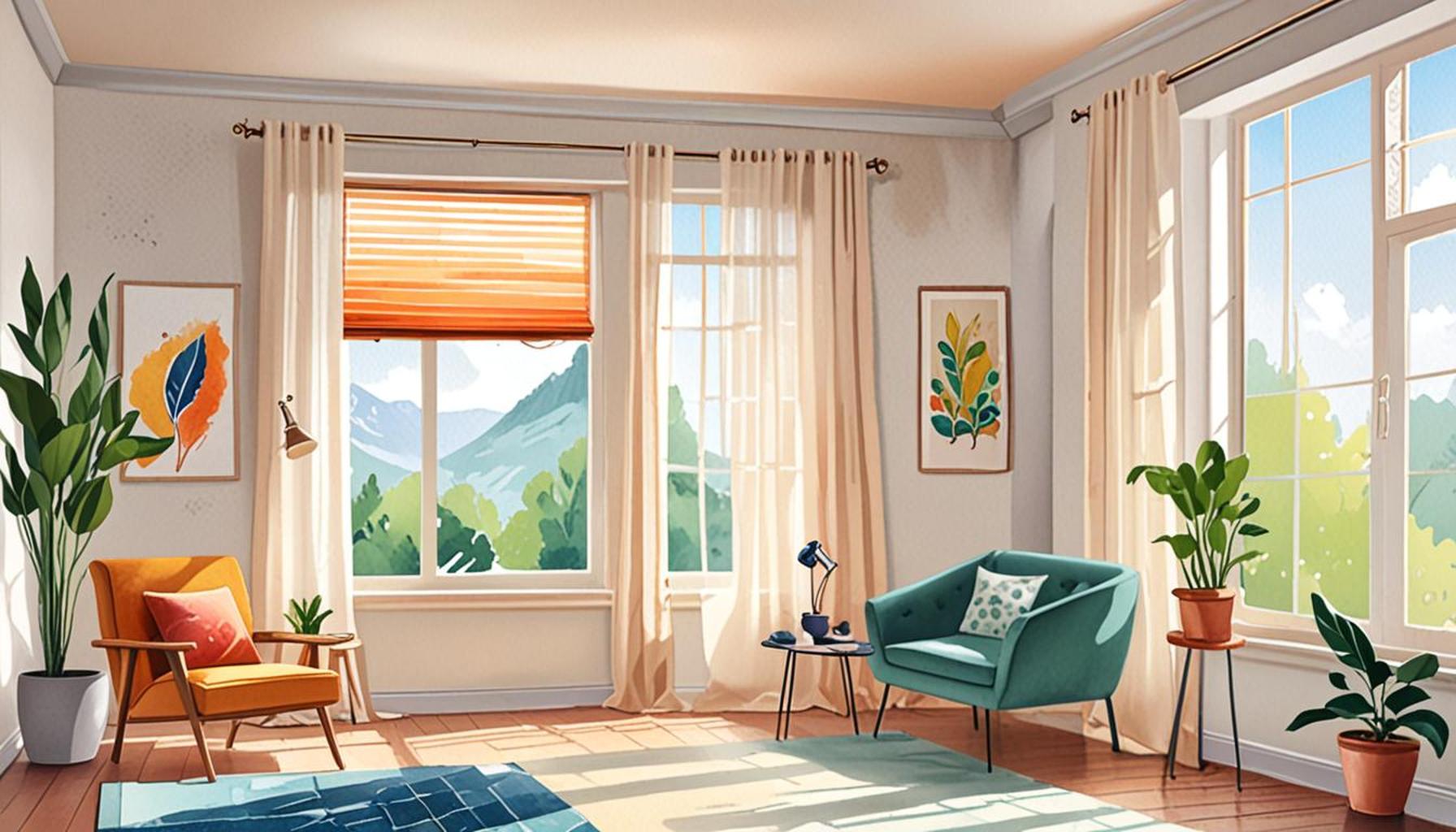
- Lighting: The choice of lighting can make a world of difference. For instance, incorporating natural light has been shown to drastically improve mood and energy levels. Studies reveal that workplaces that prioritize large windows and open layouts not only enhance morale but also reduce the likelihood of employee burnout. On the flip side, harsh artificial lighting can lead to feelings of irritability and fatigue.
- Color Psychology: Colors resonate with emotions and can profoundly affect focus and creativity. For example, blue hues are often associated with calmness and productivity, making them ideal for workspaces. Alternatively, warmer colors like reds and yellows can stimulate energy but might be overwhelming if overused. Research in educational settings indicates that classrooms decorated in well-balanced, warm tones may help students concentrate better.
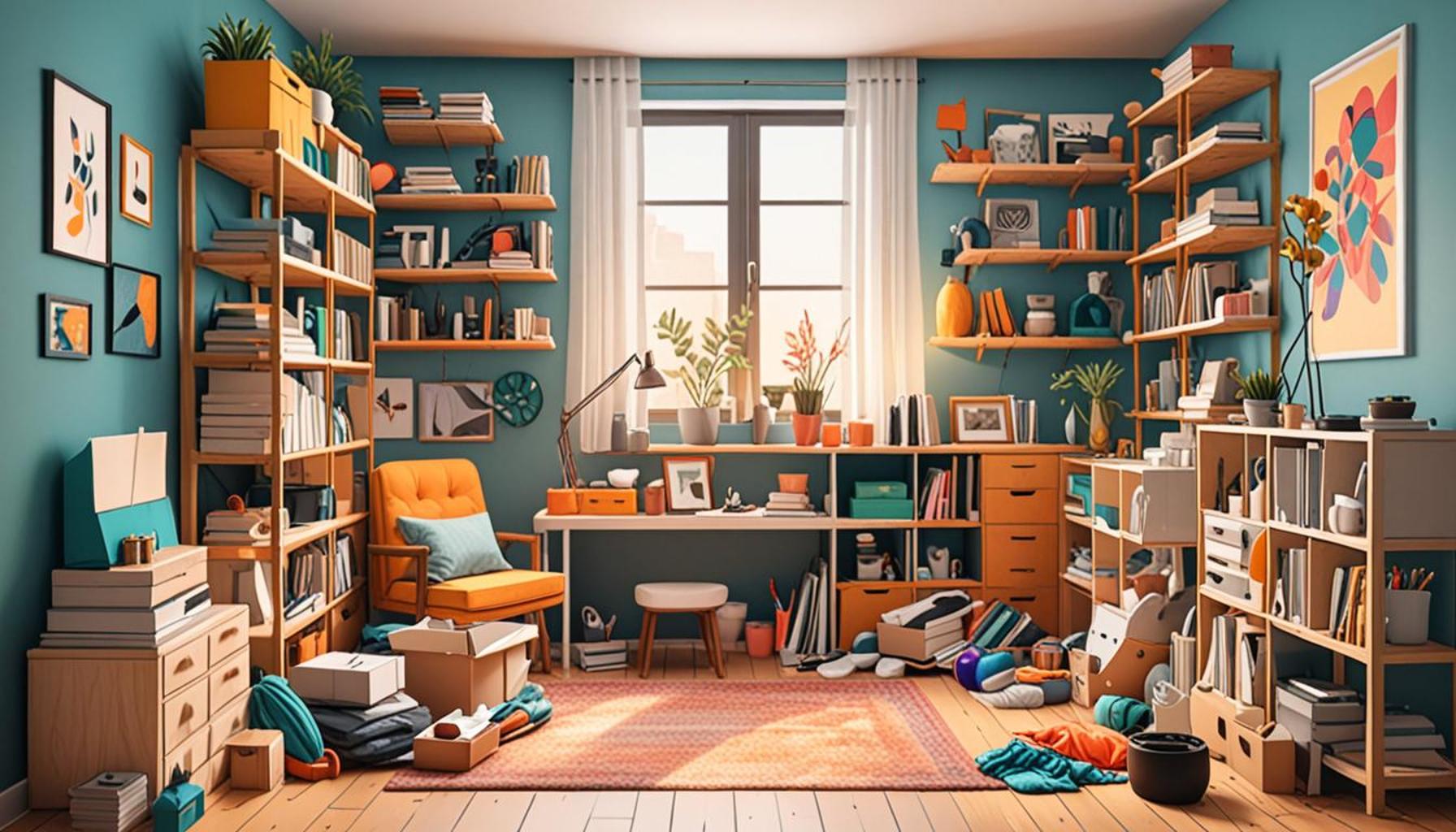
- Organization: The arrangement of space plays a critical role in our cognitive processes. A clutter-free environment fosters clearer thinking and enhances memory retention. Studies have shown that individuals working in organized spaces report higher levels of satisfaction and are more inclined to complete their tasks effectively.
Moreover, the way we organize our environments often mirrors our mental states. Research suggests that individuals who maintain tidy and aesthetically pleasing spaces are likely to exhibit greater creativity and improved concentration. These people often report feeling more satisfied with their work and more inclined to engage deeply with their projects.
Diving deeper into the psychology of space reveals how thoughtful design can create a harmonious balance between productivity and wellness. For instance, companies like Google have long recognized this influence, including open spaces and playful design elements in their offices to encourage employees to collaborate and innovate.
The implications of understanding these environmental elements are profound. By making intentional choices about our surroundings, we can enhance our daily lives, leading to not only improved productivity but also a more pleasant quality of life. As we continue to explore the intricate relationship between our environments and our mental well-being, it becomes increasingly clear that how we design our spaces can wield significant influence over our experiences and interactions.
DIVE DEEPER: Click here to discover creative storage solutions
Unlocking the Secrets of Space Optimization
When it comes to enhancing productivity and well-being, the nuances of space optimization can often be overlooked. Yet, the physical environments we engage with daily profoundly influence how we think, feel, and perform. This relationship between our spaces and our state of mind is a rich area of psychological research, showcasing how intentional design can lead to improved outcomes both personally and professionally.
Consider the following elements that contribute to a space’s psychological impact:
- Acoustics: The sound environment is a critical, yet frequently neglected factor. Open office plans, while promoting collaboration, often introduce background noise that can hinder concentration. Research indicates that noise levels significantly affect cognitive function; spaces designed with acoustic panels or quiet zones can bolster focus and productivity. In contrast, excessive sound can lead to increased stress levels and mental fatigue, illustrating the need for balanced soundscapes.
- Nature Integration: Biophilic design, which incorporates natural elements into built environments, has garnered significant attention in recent years. Studies have shown that exposure to greenery and natural light can lower stress, enhance mood, and increase overall job satisfaction. Workspaces featuring plants or natural materials not only contribute to aesthetic appeal but also promote mental clarity and creativity.
- Flexibility: The ability to control one’s workspace is essential in optimizing productivity. Studies indicate that environments that allow for flexibility in layout—such as adjustable desks or movable furniture—lead to higher engagement and satisfaction levels among employees. Offering varied work options from quiet nooks to collaborative spaces aligns with different working styles and enhances overall output.
These foundational aspects of optimized spaces create an intricate web of interactions that can lead to heightened well-being. Research from institutions like Harvard University suggests that environments designed with human behavior in mind are not only conducive to higher productivity but also foster a sense of belonging and morale among users. This concept of creating spaces that support both individual preferences and collective functionalities is essential for modern work-life integration.
Moreover, the psychological effects of space can have profound implications in public settings, such as schools and hospitals. In educational contexts, for instance, classrooms designed with ample natural light, effective organization, and vibrant colors can significantly enhance learning outcomes for students. Hospitals that prioritize calming environments and patient-centric designs contribute to faster recovery times and improved patient satisfaction.
As we delve further into the psychology of optimized environments, it becomes apparent that the design of our spaces is more than mere aesthetics. The interplay between space, productivity, and well-being is a vital consideration for individuals seeking to navigate their day-to-day lives more effectively. Understanding these dynamics opens the door to transformative possibilities, allowing for environments that truly cater to our psychological needs.
| Advantages of Optimized Spaces | Impact on Productivity & Well-Being |
|---|---|
| Enhanced Focus | Calm environments help reduce distractions, allowing individuals to concentrate better on their tasks. |
| Improved Mood | Well-organized spaces contribute to positive emotions, leading to increased job satisfaction and employee retention. |
| Collaborative Areas | Spaces designed for collaboration enhance communication and team dynamics, fostering creativity and innovation. |
| Healthier Environment | Creating spaces with natural elements promotes physical health and well-being, reducing stress and enhancing overall productivity. |
In exploring “The Psychology of Space,” it becomes evident that the physical environment significantly affects our mental state and productivity levels. The arrangement of office spaces, home environments, or even educational surroundings serves as a foundation for how we interact with our tasks and each other. Enhancing focus through calming designs, incorporating collaborative spaces for teamwork, and engaging with nature within our environments are all examples of how space influences our well-being and efficiency. As you delve deeper into this topic, consider how subtle adjustments to your surroundings can cultivate a more productive, motivated, and healthy atmosphere.
DISCOVER MORE: Click here for innovative storage tips
The Emotional Resonance of Space Design
While the tangible aspects of a space, such as layout and furniture, play a significant role in influencing productivity and well-being, the emotional resonance of design cannot be overlooked. Environments crafted with intentionality evoke feelings that propel individuals toward greater fulfillment and effectiveness. This psychological phenomena is increasingly impacting how we construct dwellings, workplaces, and communal areas, making our emotional responses to space a focal point in design discourse.
Color Psychology is a key element in this discussion. Research suggests that color can affect mood and cognition, thereby influencing behavior. For instance, blue hues are often associated with calmness and focus, making them popular in workplaces where concentration is paramount. In contrast, vibrant colors like yellow can stimulate creativity and positivity, suitable for brainstorming areas or collaborative spaces. By understanding the emotional impact of colors, designers and individuals can tailor their environments to heighten desired feelings and outputs.
Furthermore, the concept of personalization also plays a crucial role in enhancing one’s connection to a space. Studies reveal that when individuals are able to personalize their work environment through decorations or spatial arrangements, it leads to increased ownership and engagement. This could be as simple as displaying personal achievements or incorporating elements of one’s identity into a workspace. Such practices foster a sense of belonging and can directly translate to higher productivity, as individuals feel more invested in their work environment.
Another significant dimension to consider is social interaction. Space design can facilitate—or hinder—interpersonal connections, which are fundamental for fostering a supportive community. Workplaces that intentionally create gathering spots, such as lounges or open kitchens, enhance social engagement, which is linked to improved mood and collaboration. The notion of communal spaces not only strengthens workplace relationships but also fosters a sense of unity, reducing feelings of isolation among individuals.
Moreover, the integration of technology into spatial design has transformed how we interact with our environments. In the contemporary workspace, tools such as smart lighting, temperature control, and acoustic management systems can be utilized to adapt the environment to the needs of its occupants. This adaptability is essential, as it allows for real-time adjustments that enhance comfort and productivity. Research from the International Facility Management Association indicates that workplaces leveraging smart technologies can witness marked improvements in employee performance and satisfaction.
Lastly, as we further explore the psychology of space, the importance of cultural influences becomes evident. Different cultures have varying relationships with space—what feels inviting and productive in one culture may not resonate the same way in another. Recognizing these differences allows for a more nuanced approach to space design that honors the cultural backgrounds of its users. For example, workplaces in multicultural regions might benefit from flexible designs that accommodate various customs related to privacy and collaboration.
Ultimately, understanding how these emotional and psychological elements contribute to a space’s effectiveness is essential. The notion that well-designed environments can enhance productivity and well-being is not merely theoretical; it’s increasingly backed by empirical research and real-world observations. As more organizations acknowledge the crucial interplay between space and mental health, the groundwork is laid for environments that truly enhance the human experience.
DISCOVER MORE: Click here for effective family decluttering strategies
Conclusion
In conclusion, the psychology of space underscores the profound impact that optimized environments have on both productivity and well-being. As we navigate an increasingly complex world, the deliberate design of our spaces becomes essential in nurturing mental health and enhancing efficiency. From harnessing color psychology to boost creativity, to facilitating social interaction that fosters a sense of belonging, the emotional resonance of design plays a pivotal role in how we engage with our surroundings.
The integration of advanced technology, such as smart environmental controls, further tailors these spaces to meet the needs of individuals, making workplaces more adaptable and supportive. Coupled with an awareness of cultural influences, designers have the opportunity to create inclusive environments that respect and reflect the diverse backgrounds of users. A more personalized approach not only contributes to individual satisfaction but can also catalyze collective success within organizations.
The empirical evidence supporting the positive correlation between thoughtfully crafted spaces and human performance cannot be ignored. As research continues to reveal the intricate dynamics at play, it is becoming increasingly clear that optimizing our environments is not just beneficial, but essential for achieving a harmonious work-life balance. As we look to the future, it is crucial for designers, organizations, and individuals alike to prioritize the psychology of space, embracing its potential to elevate productivity and well-being in every facet of life.